Tackling the Malaria Crisis in India
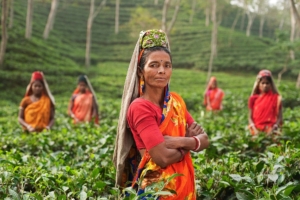
The malaria crisis in India has been an ongoing issue for centuries. However, along with the rest of the world, India has been making significant progress throughout the past few years with respect to decreasing its malaria cases. While millions are still at risk, India has implemented multiple health care plans that have contributed to its malaria reduction.
What is Malaria?
Malaria is a parasite that mosquitoes spread and can produce a wide range of symptoms including fever, chills, sweating, mental confusion and gastrointestinal symptoms. Malaria is most common in warm, humid and rainy climates because that is where the parasite is able to survive and complete its growth cycle. This is why malaria has been such a prevalent disease in India and in other countries close to the equator. However, despite the stagnant weather patterns, India has been making strides towards a malaria-free nation.
In 1995, there were approximately a total of 2.93 million cases of malaria in India, with about 1,151 deaths from the disease. In comparison, 2017 saw approximately 0.84 cases of the disease in the nation and only 194 deaths.
Eliminating Malaria
Due to a combination of factors, India is on track to complete its goal of total elimination of malaria by 2027. The nation has taken the disease very seriously and has strengthened both its Integrated Disease Surveillance Project (IDSP) and the National Health Mission (NHM). A combination of these two programs has helped health professionals and citizens respond to the malaria crisis in India.
A few different strategies currently control malaria cases in India. One is vector control, which means that people control mosquitoes in high-risk areas of malaria with personal protective measures and environmental awareness. Early Case Detection and Prompt Treatment (ECDPT) is a necessary strategy for all cases of malaria, as it not only improves symptoms of the disease in those already infected, but it also helps prevent the spread of the disease by providing treatment at the time of infection.
Since malaria is a very widespread disease across Asia, India is a member of the Asia Pacific Malaria Elimination Network (APMEN). This is a network that the Asia Pacific Leaders Malaria Alliance (APLMA) runs, which has the goal of eliminating malaria and sharing action plans across the countries of that region.
Though there is not a malaria vaccine yet, multiple countries in Africa are currently testing a vaccination program that could make its way to India if successful. A vaccine would be economically friendly for those who are among the poorest in India or live in remote areas, where 90 percent of malaria cases occur. The vaccine would also solve the recent issue of drug-resistant parasites.
World Malaria Day
Every year, on April 25, people celebrate World Malaria Day to encourage everyone’s education about the disease and how to prevent its spread. Four percent of all malaria cases occur in India, a substantial amount, which is why it is important that the awareness of the disease is prevalent in the country.
With the significant progress that the country has made in eliminating malaria, India will continue to defy odds by continuing to empower communities and committing to further action plans. This will ensure that the malaria crisis in India will no longer pose a major threat to its population.
– Alyson Kaufman
Photo: Pixabay
