The Hidden World of Brickyards in Nepal
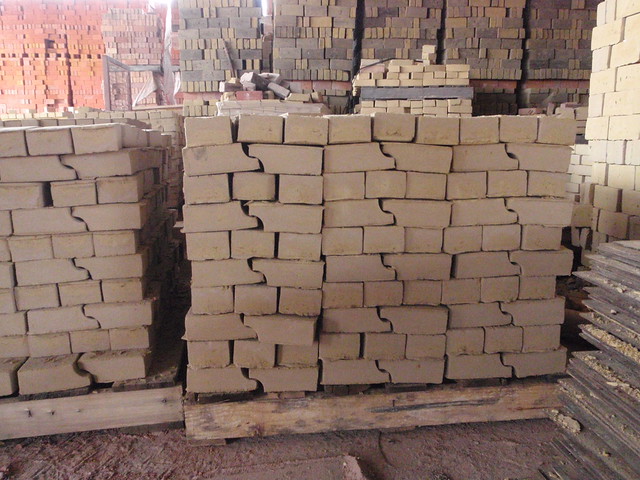
In Nepal, where the world-renowned Himalayas are located, poverty continues to plague rural populations. The poverty rate in these regions is still around 35%. Due to a struggling agricultural industry, many are pushed to the cities, where they find jobs in less than desirable work conditions, such as the brickyards of Kathmandu.
The Brickyards in Nepal
During half the year, from late fall to early spring, laborers build thousands of bricks from the clay deposits found in Kathmandu. Many of the laborers are children, teenagers, women, and even the elderly. Whole families move into the brickyards in order to make a few dollars. The work is physically demanding and becomes dangerous near the kilns, where smokestacks bake the bricks and spew toxic chemicals into the air.
An estimated 750 brick factories are in operation in Nepal, but only a little over half of them are registered with the government. Due to lack of funds to enforce child labor laws, brickyards around Nepal still employ approximately 13,530 children in Kathmandu valley. Even more unfortunate, most families depend on their children to work in order to cover all of their expenses.
The Economic Angle
Several economic factors keep both the brickyards in operation and the families in bonded labor. First, construction remains one of the largest industries in Nepal, contributing NPR $55121 Million in 2018 to Nepal’s GDP. Brickyards in Nepal directly fuel this industry, and the government lacks legislative potency in order to reform brickyards’ working conditions. Second, middlemen often entice families to labor in brickyards with the false promise of good pay to get them through a dry season in the job market. In reality, families receive low pay for their work, which makes them unable to pay off their debts and forces them to stay in the brickyard, for years or possibly even generations.
Breaking the Cycle
The brickyards in Nepal present a raw picture of the cycle of poverty that still exists worldwide and exposes the structures and factors that keep families in economic bondage. While hopes of alleviating the situation seem dire, there are a variety of ways that nonprofit and activist organizations are mobilizing to alleviate the suffering in the brickyards in Nepal:
- Humanitarian: Ceramic Water Filter Solution is a company whose mission is to bring safe water home. One of their projects started in 2015 and 2016, has been to provide clean water to families working in brickyards in Nepal, where water is scarce. They provide many ways to volunteer, donate, and support their work on their website:
- Medical: Terres des Hommes collaborate with local partners to establish healthcare camps to provide aid, particularly to women and children. They have set up facilities in 20 brickyards in the districts of Kathmandu and Bhaktapur. This initiative supports workers by monitoring children’s diets and checking on workplace health conditions. To help with these programs in Nepal, there are a variety of options for people to donate and to volunteer on their website.
- Technical: For brickyard owners, one initiative, the Global Fairness’s Better Brick Nepal (BBN) program, could, at a minimum, improve the working conditions of their brickyards. The program aims at providing technical assistance to make brickmaking safer and more efficient. In 2017, the BBN project has extended to 40 kilns in 14 districts. Ultimately, those who have started the BBN hope to enforce standards that brickyard owners must comply with in order to operate profitable businesses.
- Political: A research and activist group, BloodBricks seeks to end the “modern slavery-climate change nexus” of the construction industry in countries like Cambodia, Nepal, and Pakistan. Their studies trace the injustice of the “booming” construction industry in these countries and seek to fight these issues through further advocacy and discussion.
Deep-Rooted Issues
There are many different ways organizations are placing pressure on the system of brickyards in Nepal. While the issue is complex, involving deep-rooted economic and political structures, this situation is worth fighting, as one way to combat poverty and suffering in Nepal. Additionally, solving this issue has broader implications for economic bondage in brickyards in other countries and bringing this issue to light has wide impacts in terms of advocacy and awareness.
–Luke Kwong
Photo: Flickr
