Water Rights: How NGOs Respond to Tanzania’s Water Crisis
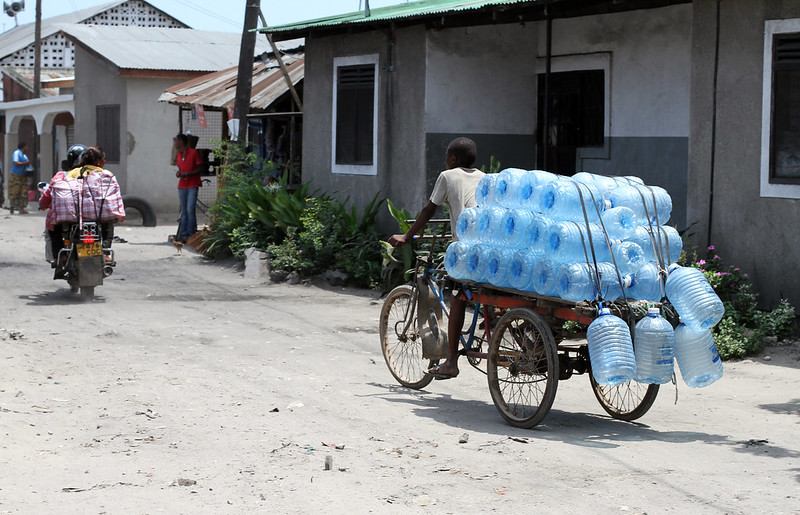 Tanzania faces an ongoing water crisis due to the lack of access to clean water and sanitation, which many families face. Nongovernmental organizations (NGOs) such as End Water Poverty are working hard to combat Tanzania’s water crisis and provide individuals with their right to clean water and sanitation.
Tanzania’s Water Crisis
Tanzania is an extremely dry country, with one-third considered arid to semi-arid. Several large lakes surround Tanzania that provide water for those who live nearby. However, the reality is that many do not have access to freshwater and instead must resort to contaminated groundwater from wells or bacteria-infested surface water. According to the Water Project, water-borne illnesses account for more than half of the population’s diseases due to the lack of sanitary water options, with malaria and cholera being the most common.
Alleviating the Pressure on Children
According to WaterAid, 25.7 million people in Tanzania lack clean water near their homes. That means that two out of five people in Tanzania are required to travel long distances to collect safe water. This task is predominantly placed on women and children.
One young girl, 11-year-old Tausi Katambarai from the Kigoma Region of Tanzania, was tasked with trekking 10 kilometers daily to collect 20 liters of water from a well she would need to carry on her head to carry home. Her responsibility to collect water for her family meant that she could only attend class twice a week, which had an extremely negative effect on her education.
To combat this, the United Nations Children’s Fund (UNICEF) partnered with Water Mission Tanzania to drill boreholes in the Kigoma Region and piped water to schools and villages. This is part of a larger program of 15 projects that has “significantly transformed the lives of vulnerable groups, including women, girls and children,” according to Eng: Denis Arbogast, Project Manager at Water Mission. Teachers at Tausi Katambari’s school have praised the initiative and reported that class attendance has improved significantly since gaining nearby water access.
The #ClaimYourWaterRights Campaign
End Water Poverty is a “global civil society coalition” that campaigns to fulfill people’s human rights to sanitation and safe water. It works at different levels to advocate for governments to respect and protect what it calls “water rights,” a shorthand for the human rights to water and sanitation.
The #ClaimYourWaterRights campaign was first launched in 2019 and aimed to provide various groups with knowledge and confidence to advocate for water rights using the international human rights framework. The campaign focused on informing governments of their duties and educating vulnerable communities whose rights had been violated and their entitlements as holders of water rights.
Additionally, each year, the NGO grants $1,200-$6,000 to projects that support the campaign through advocacy and community mobilization.
The WaterCredit Solution
Another NGO that hopes to solve Tanzania’s water crisis is Water.org, which has been piloting water and sanitation programs in the country since 2017. According to the initiative, the country’s high demand for water and sanitation has created a dynamic market for water products such as storage tanks, rain harvesting devices and pipes.
The WaterCredit Initiative is Water.org’s loan program, which provides financing and resources to individuals facing water scarcity. Since its inception in Tanzania, the charity has disbursed 13,000 loans, granting more than 230,000 people access to household water and toilet solutions.
Hope for the Future
While the water crisis in Tanzania continues to impact millions of people daily, there is hope that the work of NGOs such as UNICEF, End Water Poverty and Water.org can go some way toward safeguarding individuals’ water rights.
– Carla Messinger
Carla is based in Oxford, UK and focuses on Global Health and Politics for The Borgen Project.
Photo: Flickr
