5 Facts About Poverty in Mongolia
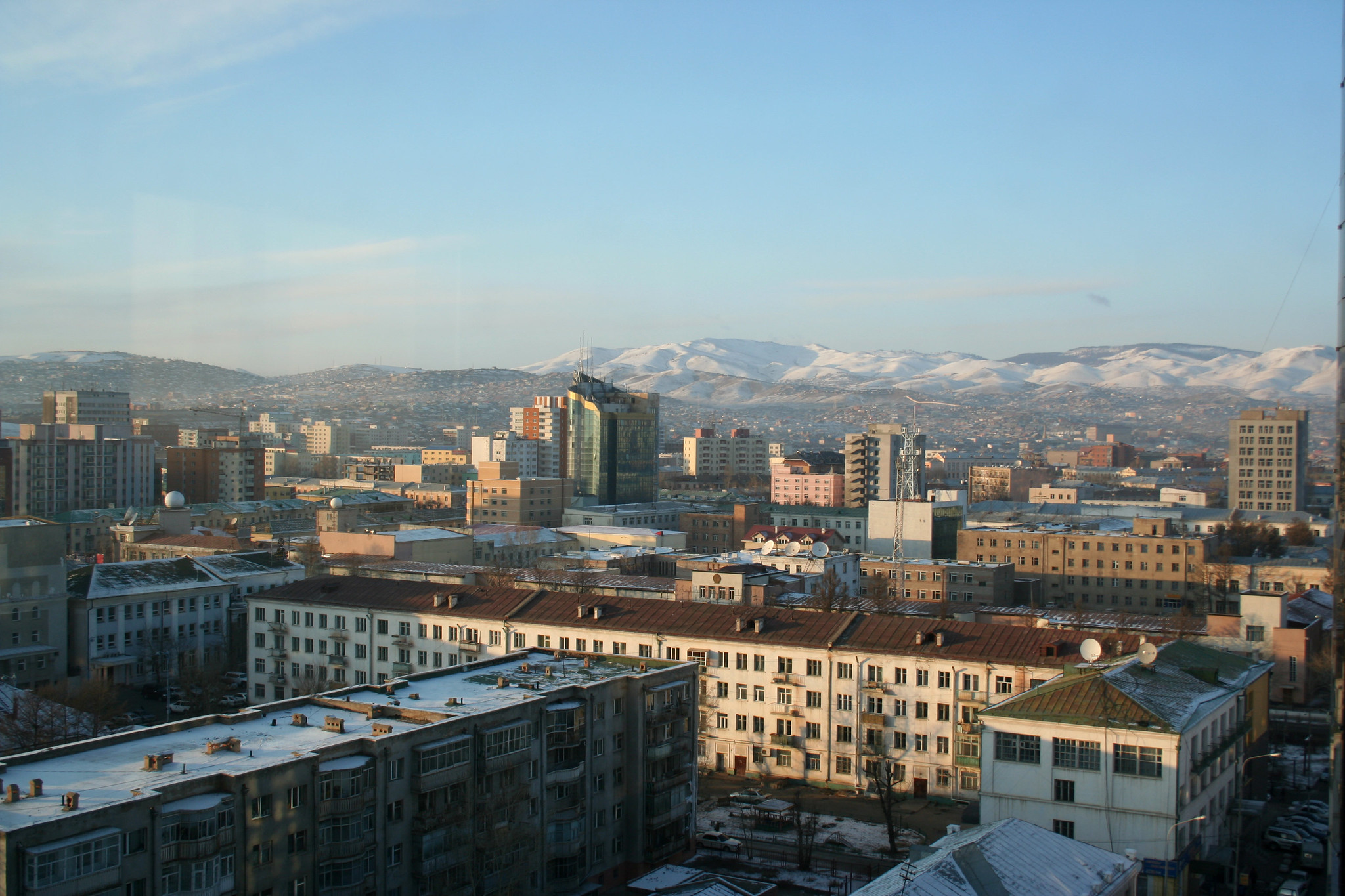
Mongolia is a landlocked nation in East Asia, caught between Russia to the north and China to the South. Since transitioning into a capitalist democracy in the 1990s, it has become one of the region’s fastest-growing economies. However, various issues such as poverty and uneven economic growth are holding Mongolia back. Here are five facts about poverty in Mongolia.
5 Facts About Poverty in Mongolia
- Poverty Rates: According to the World Bank, 28.4% of Mongolians lived below the poverty line as of 2018. The Mongolian poverty line is defined as living off 166,580 Tugrug ($66.4 USD) per month. A further 15% are vulnerable to falling into poverty due to unforeseen events. Taken together, these statistics show that two out of every five Mongolians live in or close to poverty.
- High Inflation: Mongolia has been experiencing rapid inflation over the past few years, compounding the issues surrounding poverty in Mongolia. Inflation rates increased from 0.73% in 2016 to 7.26% in 2019. This financially strains vulnerable communities that already struggle to provide for necessities. High inflation notably impacts the urban poor more than the rural poor; while the urban poor need to buy all their food, many rural herders and farmers can produce much of their own food and gain greater profits from increased prices.
- Uneven Economic Growth: Mongolia’s GDP has grown in the past few years, but that does not mean that everyone has benefited. Approximately one-third of Mongolian GDP growth comes from mining, which only employs about 6% of the total population and relies heavily on foreign investors. Rural areas are experiencing continuing economic growth due to increased livestock prices, as well as higher rates of consumption and decreasing poverty rates, as opposed to their urban counterparts. This is most evident in the rates of herders who fall below the poverty line. According to the World Bank, “Herders were among the poorest in 2010, but now only one in three herders are estimated to be poor.”
- Rural Versus Urban: One can best see this uneven economic growth in the divide between the rural and urban poor. While poverty percentages have decreased in rural areas, the rate of urban poverty has remained unchanged. As previously stated, those in rural areas are experiencing economic growth while the urban poor experience stagnation. Rural poverty decreased from 34.9% in 2016 to 30.8% in 2018, while urban poverty hovers just above 27%. While the rural poverty percentages are still higher, it is important to keep in mind that 63.5% of the poor live in cities.
- Poor Living Conditions: Due to the country’s nomadic past, gers (traditional Mongolian tents), are still widely used throughout the country. These structures are cheap compared to apartments and other housing arrangements, with both the rural and urban poor living in them. A reported 57% of all poor Mongolians live in gers. However, most gers lack many modern necessities such as insulation and running water. This exacerbates the fact that nine in 10 poor Mongolians lack access to various basic infrastructure services like sanitation and heating. The central government is continuing to address these issues and is attempting to move those living in gers into more modern housing.
The Good News
Mongolia has been experiencing nearly 30 years of economic growth and social development. Many experts describe Mongolia as “The Wolf Economy” due to its massive growth and supply of natural resources. The nation has tripled its GDP since 1991 with help from international groups and smart government investments. Health care industries have seen a massive improvement, with Mongolia seeing declines in maternal and child mortality rates. The government has also instituted various programs to help people out of poverty in Mongolia and raise the general standard of living. The United States has provided aid and development funds to help strengthen the Mongolian economy and promote democratic political reforms. As a result, the US is Mongolia’s fourth-largest import partner, valuing more than $200 million in items such as machinery and consumer goods. Various American businesses also operate within Mongolia such as Visa, Caterpillar Inc. and GE.
– Malcolm Schulz
Photo: Flickr
