HIV/AIDS in Armenia
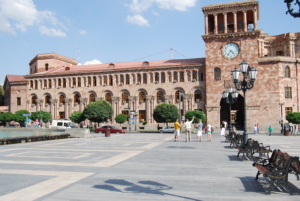 Although Armenia maintains a low national HIV prevalence—less than 0.2%, the number of new infections has steadily increased in recent years. Between January and October 2024, health authorities recorded 462 new HIV cases, bringing the total number of registered infections since 1988 to approximately 6,076. According to Anna Mergelyan, head of Monitoring and Evaluation at the National Center for Infectious Diseases, the primary transmission route was heterosexual contact (81%), followed by homosexual contact (12%) and injecting drug use (6%).
Rising Infections Among Key Populations
While the national prevalence of HIV remains low, the virus disproportionately affects vulnerable groups. Integrated Bio-Behavioral Surveillance (IBBS) studies and independent reporting indicate that HIV prevalence among men who have sex with men (MSM) increased from 2.7% in 2018 to approximately 5.0% in 2021. Additional risk groups include people who inject drugs (2.6%), transgender individuals (2.5%) and sex workers (0.2%). These trends underscore the need for targeted prevention services, especially in urban areas like Yerevan and regional centers such as Gyumri and Shirak.
HIV/AIDS Stigma and Health Care Barriers in Armenia
Despite the availability of free HIV testing and antiretroviral therapy (ART), stigma in health care settings remains a significant barrier. People living with HIV/AIDS in Armenia frequently report being denied services, especially in nonspecialized clinics. Zhenya Mayilyan, head of the NGO Real World, Real People, stated, “If we compare the situation 10 years ago and now, a lot has changed – both in the public perception and in the level of people’s awareness. However, people living with HIV in Armenia are discriminated against in various spheres of life, in particular, in medical institutions, where a person has to report his or her HIV status when they need some kind of medical intervention.”
She also highlighted specific instances of discrimination, such as a case where an HIV-infected person with a second group of disabilities was refused a spinal tap in two well-known medical centers in Yerevan. The procedure was only carried out after the intervention of a social worker from a public organization.
National Progress and Global Recognition
Armenia became one of the first countries in the World Health Organization (WHO) European Region to eliminate mother-to-child transmission of both HIV and syphilis—a milestone officially recognized by the WHO in 2018. The achievement followed years of investment in maternal health screening, antiretroviral access and prenatal care. Between 1996 and 2010, the country registered 968 HIV cases, with more than 400 progressing to AIDS. A peer-reviewed study in the Journal of AIDS and HIV Research found that most infections occurred among men aged 30 to 39 and more than half had links to heterosexual contact or injecting drug use.
More recently, Armenia has made significant progress toward meeting UNAIDS’ “95-95-95” targets. By late 2022, approximately 77% of people living with HIV were aware of their status, 81% of those diagnosed were receiving ART and 86% of those on treatment had achieved viral suppression.
Community Efforts and Harm Reduction
Local NGOs, such as Real World, Real People, Pink Armenia and Right Side, continue to lead the HIV response at the grassroots level. These organizations provide mobile testing services, legal advocacy, peer support networks, and psychosocial care. Pre-exposure prophylaxis (PrEP) access has also expanded through donor-supported pilot programs.
While government reporting suggested that more than 18,000 individuals from high-risk groups received HIV prevention services in recent years, exact figures are not publicly available in English-language government databases. Independent sources note that outreach efforts remain strong, with HIV testing coverage exceeding 90% for groups such as MSM and people who inject drugs.
Moving Forward
HIV/AIDS in Armenia remains a concentrated but growing public health concern. The country has taken bold steps—from eliminating mother-to-child transmission to reaching strong treatment coverage levels—but stigma, rising infections and inadequate legal protections continue to threaten progress. Continued investment in public education, stigma reduction, legal reform and NGO-led outreach can potentially ensure that all Armenians—regardless of background or identity—have access to lifesaving HIV prevention and care.
– Mamie Hirsh
Mamie is based in Berkeley, CA, USA and focuses on Good News and Celebs for The Borgen Project.
Photo: Flickr
