Syrian Refugee Entrepreneurship in Turkey
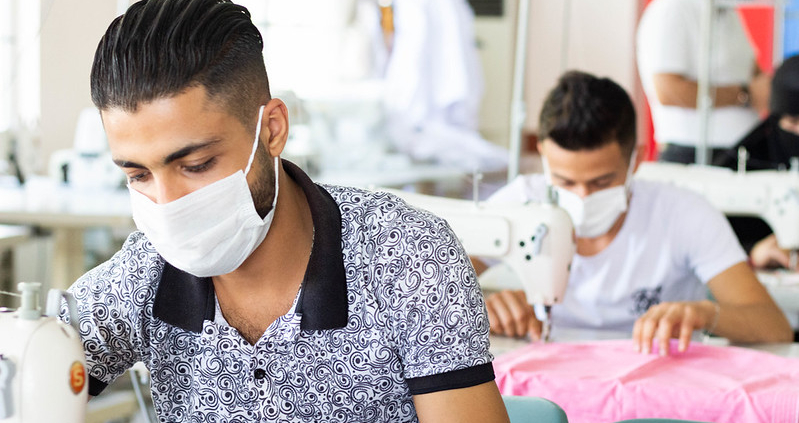 Turkey hosts one of the largest refugee populations in the world, with more than 3.2 million Syrians under temporary protection living across the country. While displacement is often portrayed as an economic burden, many Syrian refugees demonstrate resilience through entrepreneurship.
According to the World Bank, Syrian youth in Turkey increasingly start businesses as a pathway to economic empowerment, navigating formal and informal markets despite legal and financial constraints. These enterprises range from retail and services to manufacturing, creating jobs for both refugees and Turkish citizens. This growing business activity highlights how migrant entrepreneurship can contribute to a host country’s economy by generating income, expanding local markets and supporting poverty reduction. Syrian refugee entrepreneurship in Turkey shows how displaced communities can build economic opportunities despite challenging circumstances.
The Scale of Syrian Refugee Entrepreneurship in Turkey
Since the start of the Syrian conflict in 2011, many Syrians living in Turkey have moved beyond informal work and started their own businesses. Research from the Economic Policy Research Foundation of Turkey indicates that more than 10,000 Syrian-owned companies have been officially registered across the country. These businesses operate in sectors such as retail, trade, manufacturing and food services, reflecting both market demand and the needs of local communities.
Syrian-owned businesses are especially concentrated in cities such as Istanbul, Gaziantep, Hatay and Mersin, where strong trade networks and geographic proximity to Syria support commercial activity. In industrial centers like Gaziantep, Syrian entrepreneurs also contribute to regional trade connections and export activity.
On average, Syrian-owned firms employ between five and nine workers, including both Syrian refugees and Turkish citizens. This level of activity shows that Syrian refugee entrepreneurship in Turkey has moved beyond subsistence strategies and now contributes to local labor markets and small business ecosystems.
Economic Contributions: Jobs and Market Expansion
Syrian refugee entrepreneurship in Turkey also plays a growing role in job creation and market expansion. Since the start of the Syrian conflict, thousands of Syrian-owned businesses have opened across the country, operating in sectors such as retail, manufacturing and food services. These enterprises generate employment opportunities for both refugees and Turkish citizens.
Studies show that Syrian small and medium-sized businesses employ around seven workers on average, strengthening local labor markets and supporting small business ecosystems. In addition to employment, Syrian entrepreneurs contribute to trade networks that connect Turkish markets with partners across the Middle East. Through investment, production and cross-border commerce, Syrian-owned businesses increasingly support economic activity in the regions where they operate.
Challenges and Barriers for Syrian Entrepreneurs
Despite the growth of Syrian-owned businesses, refugee entrepreneurs in Turkey still face several structural barriers. Access to finance remains one of the most significant challenges, as many refugees lack the credit history or collateral required by formal financial institutions. Language barriers and unfamiliar administrative procedures can also make business registration and regulatory compliance more difficult.
Limited access to professional networks and business support services may restrict opportunities for growth and market expansion. Although Turkey introduced work permit regulations for refugees under temporary protection in 2016, many entrepreneurs still face difficulties navigating the formal business environment. Addressing these barriers remains important to help refugee-led businesses reach their full economic potential and expand their contributions to local economies.
Programs Supporting Refugee Entrepreneurship
Several international organizations and local initiatives support refugee entrepreneurship in Turkey. Programs led by the United Nations Development Programme (UNDP), the International Labour Organization (ILO) and other partners focus on strengthening refugee-led businesses through training, mentorship and policy guidance. These initiatives promote entrepreneurship as a pathway to sustainable livelihoods while also encouraging economic cooperation between refugees and host communities.
Local initiatives such as the İMECE Project also support refugee entrepreneurs by providing training and networking opportunities. Supported by the United Nations High Commissioner for Refugees (UNHCR) and the Habitat Association, the program has trained more than 9,000 participants and helped develop new refugee-led businesses. These initiatives demonstrate how targeted support programs can help transform refugee entrepreneurship into long-term economic opportunities that benefit both refugees and local communities.
Looking Ahead
Syrian refugee entrepreneurship in Turkey illustrates how displaced communities can contribute to economic growth when given opportunities to participate in local markets. By creating businesses, generating employment and strengthening trade networks, Syrian entrepreneurs increasingly support economic activity in the regions where they live. Continued support through training programs, inclusive policies and business development initiatives can help expand these contributions and promote long-term economic resilience for both refugees and host communities.
– Elif Oktar
Elif is based in London, UK and focuses on Business and Good News for The Borgen Project.
Photo: Flickr
