The Benefits of Expanding Solar Power in Nigeria
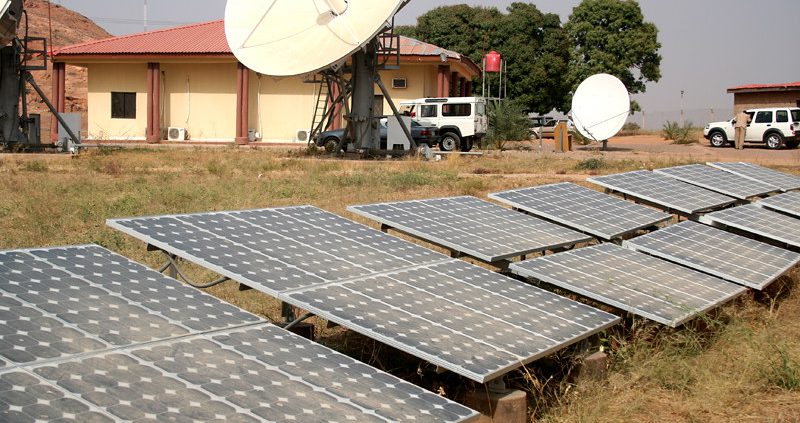 Nigeria has one of the largest economies in Africa, yet millions of people still lack reliable access to electricity. According to the World Bank, approximately 129 million Nigerians, about 56% of the population, live below the national poverty line, making poverty one of the country’s greatest development challenges. Limited access to electricity exacerbates these challenges by restricting access to education, health care and economic opportunities, particularly in rural communities. To address this issue, the Nigerian government and its partners have increasingly turned to solar energy as a practical solution. Through off-grid solar systems and mini-grids, renewable energy is expanding electricity access while supporting businesses, schools and health facilities across the country.
Bringing Electricity to Underserved Communities
Nigeria’s Rural Electrification Agency (REA) leads many of the country’s renewable energy initiatives. Established to increase electricity access in underserved communities, the agency works with private companies to develop solar mini-grids, standalone solar home systems and other renewable energy projects. Rather than relying solely on expanding the national power grid, the REA focuses on decentralized energy systems that can provide reliable electricity to remote communities more quickly. The agency states that its mission is to improve quality of life and create economic opportunities by expanding access to affordable and sustainable electricity. Its work also encourages private-sector investment in renewable energy, helping to make projects financially sustainable.
The Nigeria Electrification Programme
One of Nigeria’s largest renewable energy initiatives is the Nigeria Electrification Programme (NEP). Launched in 2018 with support from the World Bank and the African Development Bank, the program seeks to increase electricity access for households, small businesses, schools and health facilities through renewable energy technologies. According to the program, it supports solar home systems, mini-grids and productive-use appliances while encouraging private-sector participation.
Since its launch, the NEP has provided electricity access to more than 7.8 million Nigerians, including 1.1 million households and approximately 470,000 female-headed households. The program has also supported more than 11,400 micro, small and medium-sized enterprises (MSMEs) and installed 94 megawatts of solar capacity. These projects help businesses remain open longer, reduce dependence on expensive diesel generators and improve access to essential services.
Supporting Education and Economic Growth
The use of solar power in Nigeria has benefits that extend beyond powering homes. Schools with dependable electricity can improve classroom learning through lighting, computers and internet access. Health clinics can refrigerate vaccines, operate medical equipment and provide care after sunset.
Solar energy also supports local economies. Small businesses can keep shops open later, power equipment and reduce operating costs associated with fuel-powered generators. According to the Rural Electrification Agency, many of its programs are designed specifically to improve productivity in sectors such as education, agriculture and small business development while creating an environment that encourages private investment.
Expanding Opportunities Through Partnerships
Public-private partnerships have played a major role in Nigeria’s solar expansion. Through the NEP, the government works with private developers to install solar home systems and mini-grids in communities that previously lacked reliable electricity. The REA also administers programs such as the Rural Electrification Fund and Solar Power Naija, which support companies that expand renewable energy access throughout the country.
Organizations such as Solar Sister have complemented these efforts by training women entrepreneurs to distribute clean energy products in underserved communities. These initiatives not only improve access to electricity but also create income-generating opportunities for local business owners.
Looking Ahead
Although challenges remain, including the need to expand electricity access to millions more Nigerians, solar power in Nigeria has become an increasingly important part of the country’s energy strategy. Government initiatives, international partnerships and private-sector investment continue to increase access to reliable electricity while supporting education, health care and economic development.
As Nigeria expands renewable energy infrastructure, solar technology is helping communities overcome longstanding barriers to electricity access. By powering homes, businesses, schools and health facilities, these investments demonstrate how renewable energy can contribute to poverty reduction and create new opportunities for long-term development.
– Camille Utter
Camille is based in Bellevue, WA, USA and focuses on Technology and Global Health for The Borgen Project.
Photo: Flickr
