Indigenous Communities and the Digital Divide in Guyana
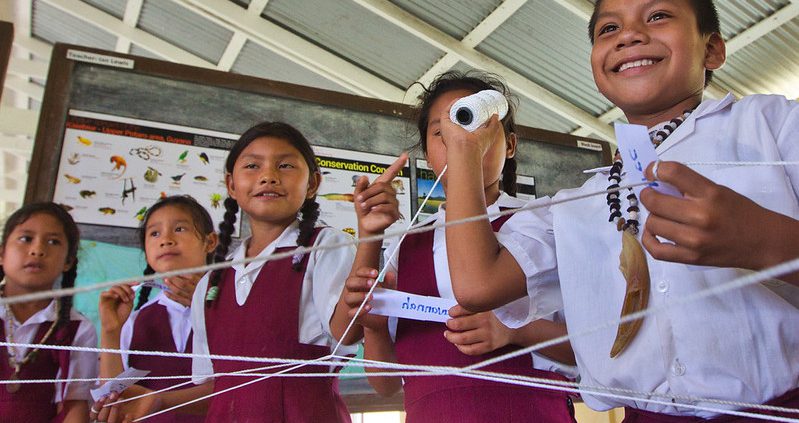 Guyana, beautiful and diverse, reflects disparities that coexist with economic growth and wealth expansion. In recent years, Guyana’s economy has progressed, but its Indigenous communities, particularly those in the hinterlands, continue to experience high poverty due to insufficient resources and inadequate internet services. Despite the nation’s progress, the persistent digital divide remains a key barrier for those in the hinterland regions. According to the World Bank, as of 2019, approximately 48% of households in Guyana are experiencing poverty, with higher social exclusion and limited access in the hinterlands. These statistics underscore that although Guyana has experienced extraordinary economic growth since commercial oil production began in 2019, growth is often not equally distributed. This can be due to geographic challenges and technological disadvantages.
Geographic Isolation and the Digital Divide in Guyana
Historically, Indigenous communities are disproportionately represented among those living in poverty due to geographic isolation, limited infrastructure, and reduced access to education, health care and digital services. Guyana’s persistent digital divide is one of many barriers preventing the hinterland regions from fully participating in the country’s economic progress. Approximately 10% of Guyana’s population identifies as Indigenous, with Amerindian communities residing in regions 1, 7, 8 and 9. These regions are characterized by dense rainforests, rivers and mountainous terrain that make transportation and infrastructure development particularly difficult. As a result, many villages remain isolated from technological resources essential to modern life.
Geographic isolation perpetuates poverty by restricting access to economic opportunities more readily available in urban areas with better connectivity. To bridge the digital divide, Guyana’s government launched Information and Communication Technology (ICT) hubs. These hubs provide internet access, computers and digital skills training to thousands of residents across the hinterland regions. They enable community members to complete online training, search for employment, communicate with government agencies and develop small businesses that reach customers beyond their villages.
Expanding Digital Infrastructure Across the Hinterland
Several organizations are working together to close Guyana’s digital divide. The United Nations Development Programme (UNDP) partners with the Government of Guyana, the National Data Management Authority and the office of the Prime Minister to expand broadband access in Indigenous communities. Through these partnerships, more than 250 ICT hubs have been established in Amerindian villages, providing internet access, computers, digital literacy training and public services. These hubs also support entrepreneurs, students and local leaders by improving access to education, financial services and government programs.
According to the Government of Guyana, internet connectivity has now reached 253 Amerindian communities, marking one of the country’s largest investments in digital inclusion to date. As additional satellite technology and renewable-energy-powered infrastructure are deployed, more remote villages are expected to gain reliable internet access.
Digital Inclusion Can Reduce Poverty
Guyana’s Low Carbon Development Strategy (LCDS) acknowledges digital infrastructure as a fundamental element of sustainable development. Reducing the digital divide in Guyana generates opportunities that extend beyond communication. Enhanced connectivity enables students to pursue online education, entrepreneurs to access broader markets, health care providers to expand medical services, and governments to deliver public resources more efficiently. Digital literacy prepares future generations to join a workforce increasingly reliant on technology. As Guyana invests oil revenues in national development, ensuring that Indigenous communities have equitable access to digital resources is essential for reducing long-term poverty and fostering inclusive growth.
Guyana’s economic success presents a historic opportunity to ensure prosperity reaches every community. Continued investment in broadband infrastructure, digital literacy and community technology centers can help reduce long-standing inequalities experienced by many Indigenous populations. Partnership between the Government of Guyana, UNDP and additional community agencies is already demonstrating that expanding digital access creates meaningful opportunities in both education and economic participation.
Looking Ahead
As internet connectivity continues to expand across the hinterland, more families will gain the tools needed to improve their livelihoods, strengthen local businesses and participate fully in Guyana’s rapidly growing economy. Bridging the digital divide is not simply about technology; it is an investment in sustainable poverty reduction and a more inclusive future for all Guyanese.
– Rayonna M. Sanders
Rayonna is based in Chicago, IL, USA and focuses on Technology and Politics for The Borgen Project.
Photo: Flickr
