From Crisis to Resilience: Food Security in Nicaragua
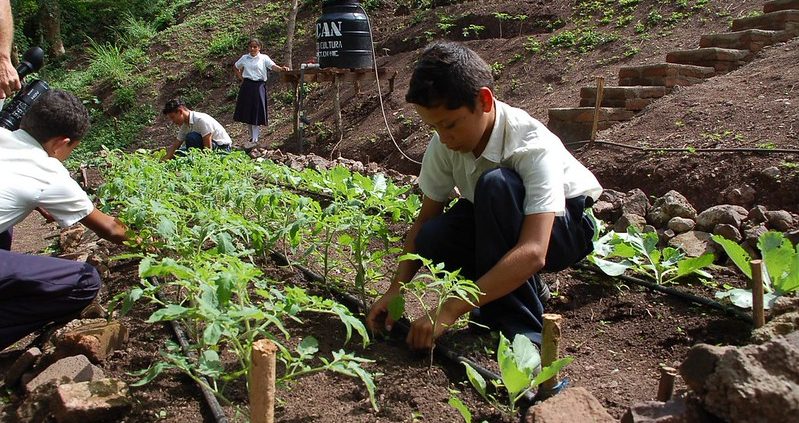 Food security in Nicaragua remains a persistent challenge in rural areas where families depend heavily on agriculture for both income and daily food. According to the World Food Program (WFP), about 19% of people are undernourished, and rural households are most affected during drought and flooding cycles. These conditions continue to strain food systems, but local and international efforts work to improve stability over time.
Agriculture’s Role in Food Security
Agriculture is central to food security in Nicaragua, especially in rural regions where smallholder farmers grow staple crops such as beans, corn and rice. The World Bank reports that climate change has increased the frequency of droughts and the intensity of flooding in areas such as the Dry Corridor, directly impacting crop yields and household incomes. When harvests fail, families lose both their food supply and financial stability.
Farmers adopt strategies that support long-term food security in Nicaragua. These include crop diversification, soil conservation methods and drought-resistant seeds. In some communities, farmers also use small-scale irrigation systems and rainwater harvesting to reduce dependence on rainfall. These changes help reduce risk in regions where weather patterns have become less predictable.
Current Responses:
- Systems-based Responses: One example of a systems-based response is the WFP school feeding program, which reaches more than 140,000 children in Nicaragua. These meals address immediate nutrition needs while also creating demand for local food production, since smallholder farmers often supply part of the food used in the program. This strengthens food security in Nicaragua by linking agricultural production with consistent institutional demand.
- Community-based Solutions: Community-based solutions also contribute to progress. Agricultural cooperatives allow farmers to share tools, training and market access, reducing production costs and improving stability during poor harvest seasons. Community gardens provide households with direct access to fresh food and reduce dependence on markets affected by price shifts and supply disruptions. These efforts strengthen household food security in Nicaragua.
- Strengthening Smallholder Systems: According to Food and Agriculture Organization (FAO) analysis of rural livelihoods, smallholder farming systems account for the majority of agricultural production in Nicaragua and are central to rural food access. Strengthening these systems through training and access to resources has been identified as one of the most effective ways to improve resilience in food-insecure regions.
Continued Efforts Needed
While challenges remain, progress is being made through combined local and international efforts. Strengthening food security in Nicaragua depends on continued investment in rural communities, climate-resilient farming tools and programs that connect local production with stable food systems. Evidence from ongoing initiatives shows that food insecurity can be reduced through coordinated long-term action.
– Suheiry Frayre
Suheiry is based in Los Angeles, CA, USA and focuses on Global Health for The Borgen Project.
Photo: Flickr
