SDG 1 in Haiti: Progress and Challenges in Eradicating Poverty
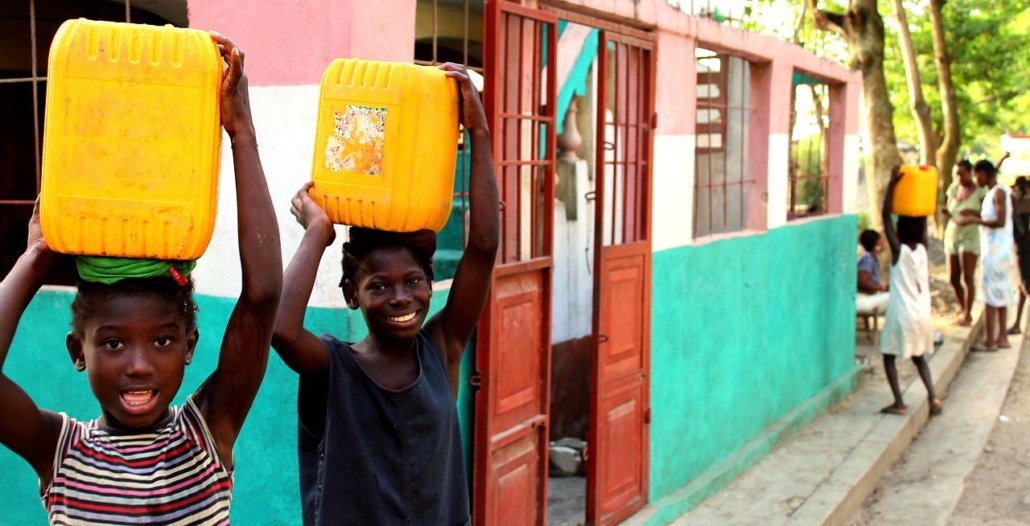 Sustainable Development Goal 1 (SDG 1), which sets benchmarks and measures the progress of the fight to eradicate poverty, remains a critical focus for Haiti. According to the Sustainable Development Report 2024, Haiti ranks 151st out of 166 countries on the SDG Index, with a score of 52.68. Despite significant obstacles, including political instability and natural disasters, Haiti has made some progress toward achieving SDG 1 in Haiti.
The World Bank reports that as of 2024, approximately 36.6% of Haitians live in extreme poverty, which is defined as living on less than $2.15 per day. This marks an increase from 29.9% in 2020, reflecting worsening living conditions due to economic hardship, political instability and frequent natural disasters hindering progress on SDG 1 in Haiti.
Haiti’s Economic Decline and Poverty Rates
Haiti’s economy has experienced a prolonged and severe decline due to ongoing crises. The country’s gross domestic product (GDP) contracted by 4.2% in 2023, following a 1.9% decline in 2022. Political instability, gang violence and frequent natural disasters have deterred foreign investments and severely disrupted economic activity.
The Multidimensional Poverty Index (MPI), which measures poverty beyond income, indicates that 41.3% of Haiti’s population, approximately 4.7 million people, experience multidimensional poverty, while 21.8% remain vulnerable to falling into multidimensional poverty.
How Multidimensional Poverty Impacts Life in Haiti
The effects of multidimensional poverty in Haiti extend beyond just income, influencing education, health care and food security. The high cost of education services, averaging $140 per child per year, forces many families to keep their children out of school. More than 250,000 children (ages 6–11) and 65,000 youth (ages 12–14) are not enrolled in school. Although most students attend school for 11.4 years, this equates to only 6.3 years of effective education due to low-quality learning outcomes.
Haiti is also facing one of the worst hunger crises in the Western Hemisphere. More than 4.9 million Haitians, nearly half the population, are in urgent need of food assistance due to economic hardship and supply chain disruptions due to gang violence and political instability.
Despite these immense challenges, there are a variety of initiatives sponsored by organizations and programs which are actively working towards poverty reduction in Haiti. These initiatives range from international aid efforts to locally driven solutions aimed at improving economic stability, food security and education access for thousands of Haitians
Local Organizations and Agricultural Programs
The Peasant Movement of Papaye (MPP) in Haiti along with organizations like Grassroots International, empower Haitian farmers by promoting agroecology, sustainable farming practices and land rights advocacy. Through initiatives such as reforestation efforts, cooperative farming and education programs, the movement has helped thousands of peasants gain independence and escape poverty that exploitative agricultural systems caused.
Fonkoze, Haiti’s largest microfinance institution, plays a crucial role in empowering local entrepreneurs, particularly women, through a combination of financial services and education. By providing small loans, financial literacy training and business development programs, Fonkoze helps Haitians build sustainable livelihoods and break the cycle of extreme poverty. In 2021 alone, Fonkoze disbursed $5 million in micro-loans, empowering thousands of entrepreneurs to expand their operations and increase their income. The organization served 158,080 Hatians by providing financial education and encouraging a culture of saving and financial planning among Haiti’s most vulnerable populations. Additionally, it disbursed 10,807 loans to support small business growth, while the total number of Empowered Lending clients reached an impressive 58,000. These initiatives not only contribute to individual financial independence but continue to contribute to the future success of SDG 1 in Haiti.
International Aid and Food Security Programs
The World Food Programme (WFP) plays a vital role in addressing SDG 1 in Haiti. Through emergency food assistance, school meal programs and community-based nutrition projects, WFP combats malnutrition and strengthens resilience against food insecurity.
The World Bank also funds many projects and initiatives in order to provide relief to thousands of Haitians through infrastructure development, educational and employment opportunities. Currently, the World Bank has or is in the process of funding 181 Haitian projects.
Additionally, the World Bank has approved $20 million of additional financing which is slated to up-scale renewable energy investments providing solar grids, micro grids, energy storage systems and stand alone systems providing an expected 5-12 megawatts of renewable energy.
The Future of SDG 1 in Haiti
SDG 1 in Haiti remains hindered by economic instability, political unrest, and frequent natural disasters. However, with sustained efforts from the Haitian government, international organizations, and local communities, meaningful and lasting change is possible.
Long-term investments in education, economic growth, and food security are essential to breaking the cycle of poverty in Haiti. By expanding access to quality education, health care and job opportunities, Haiti can move closer to achieving Sustainable Development Goal 1 and ensuring a more stable future for its people.
– Gregory Brychta
Gregory is based in Seattle, WA, USA and focuses on Good News and Technology for The Borgen Project.
Photo: Pixabay
