Updates on SDG 1 in Ethiopia: Progress Toward Ending Poverty
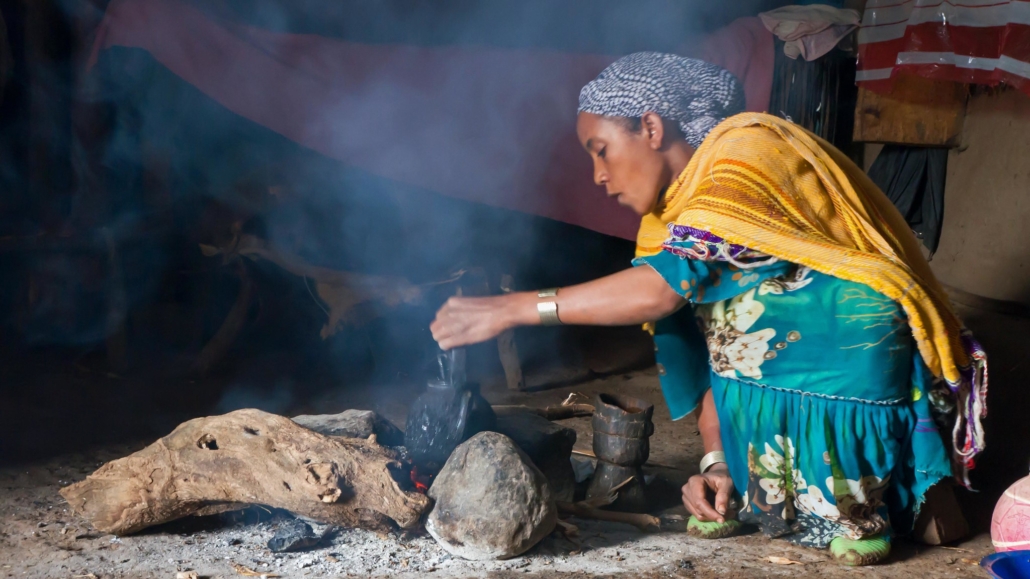 Despite ongoing instability in the Tigray region, Ethiopia is steadily advancing in its fight against extreme poverty, aligning with Sustainable Development Goal 1 (SDG 1), which aims to eradicate poverty in all its forms by 2030. This goal includes ensuring equal access to resources, basic services and economic opportunities for all. As one of Africa’s most populous countries, Ethiopia’s progress on SDG 1 is critical for the continent’s development.
Updates on SDG 1 in Ethiopia
The most recent data indicates that Ethiopia is on track in reducing extreme poverty. As of 2024, the proportion of people living on less than $2.15 per day has dropped to 14.01%, according to worldpoverty.io. A decade ago, this figure was much higher. The number of people living under the $3.65 threshold has also decreased significantly—from 72.79% in 2014 to 37.77% in 2024. These numbers reflect consistent efforts to improve access to basic services, employment and rural development.
Government programs like the Productive Safety Net Program (PSNP) have played a key role. Established in 2005, the PSNP provides food or cash in exchange for public work to millions of food-insecure households, helping them avoid selling assets during times of crisis.
Public Health and SDG 1
Improved health care directly supports SDG 1 by reducing the financial burden of illness. Ethiopia has made significant strides in maternal health and HIV prevention. For example, new adult HIV infections fell to just 0.08 per 1,000 people in 2022, thanks to expanded education, free testing services and access to antiretroviral therapy. Maternal health has improved due to wider coverage of prenatal services and an increase in skilled birth attendants.
Gender Equality and Poverty Reduction
Gender inequality remains a root cause of poverty, including in the labor force. But there are positive updates on SDG 1 in Ethiopia when it comes to empowering women. In 2023, women occupied 41.3% of parliamentary seats—up from just 2% in 2000. The female-to-male labor force participation rate rose to 87.05%, showing progress toward economic equality.
Still, women – especially in rural areas – face higher unemployment, limited access to land and greater exposure to unpaid labor. Government initiatives and NGO-led training programs have been essential in boosting financial literacy and entrepreneurship among women. For instance, the Adult and Non-Formal Education Association in Ethiopia (ANFEAE) launched the “Literacy Plus” program in 2008, training more than 6,200 rural women in basic business and income-generating skills.
Responsible Waste Management and Urban Poverty
Ethiopia has also made progress in responsible consumption and production, an important component in fighting urban poverty. Ethiopia now meets its targets for managing municipal, plastic and electronic waste.
In Addis Ababa, TechnoServe’s LIWAY initiative collaborated with the city cleaning agency to launch more than 580 micro-enterprises run by women and youth. These small businesses collected more than 41,800 tonnes of paper and plastic in the year 2023 alone, generating nearly $10 million in revenue while providing regular income opportunities to vulnerable groups. In a related project started earlier, 125 micro-enterprises involving 1,250 members were established; 70% remained active after a year, and half saw a rise in income. By 2021, 117 micro‑enterprises had collected 7,000 tonnes of paper and generated $400,000 in sales, creating employment for more than 2,200 women and young people.
Climate Vulnerability and Poverty
Changing weather remains a challenge that exacerbates poverty. In Ethiopia, erratic rainfall and prolonged droughts damage crops, displace rural families and reduce food security. While the country is making progress in reducing its own carbon emissions, vulnerability to climate-related shocks still poses a serious threat to SDG 1.
Integrating climate resilience into poverty alleviation programs is therefore essential. Projects like the Climate Investment Funds’ $500 million resilience initiative and the expansion of Ethiopia’s early warning systems offer promising solutions. Additionally, Ethiopia’s Drought Resilience and Sustainable Livelihoods Program, which launched in 2013, has helped rehabilitate degraded land, improve water access, and enhance food security for pastoralist communities in drought-prone areas. Lately, a new financial support for “lowlands livelihood resilience,” continues to scale the drought resilience efforts for about 3 million pastoralists and agro-pastoralists.
Looking Ahead
Updates on SDG 1 in Ethiopia reveal steady progress, especially in reducing poverty, improving gender equality and expanding access to health services. Continued investment in climate resilience, sustainable waste systems and inclusive policies will be key to ensuring that no one is left behind.
– Alexandra Diallo-Scholler
Alexandra is based in Los Angeles, California and focuses on Good News for The Borgen Project.
Photo: Flickr
