RSF and SAF Roles in Sudan’s Humanitarian Crisis
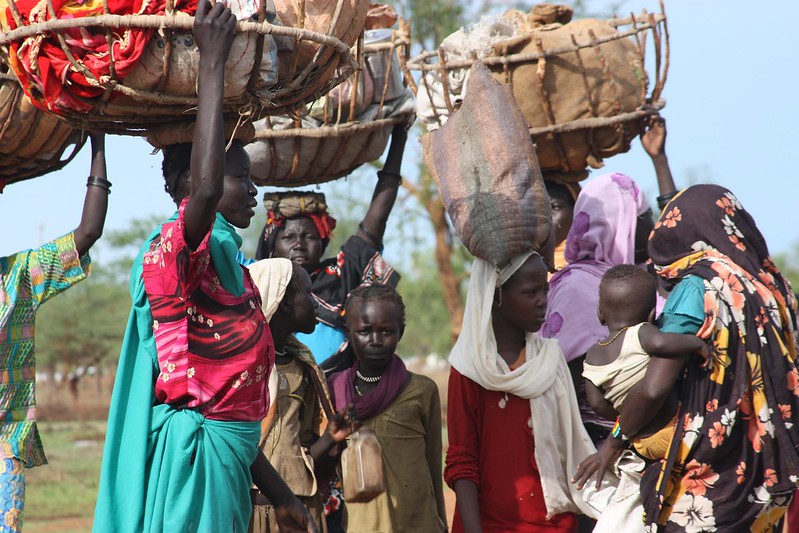 Sudan is currently experiencing a severe humanitarian crisis fueled by ongoing conflicts between the Rapid Support Forces (RSF) and the Sudanese Armed Forces (SAF). These clashes have triggered the largest displacement crisis in the world, displacing 10.7 million people and leaving approximately 26 million in dire food insecurity. While the conflict between RSF and SAF erupted in April 2023, underlying tensions have long existed. The nation was under the rule of President Omar al-Bashir from 1989 until his ouster in 2019, a period marked by rampant corruption and economic mismanagement. Following al-Bashir’s removal via a coup, Sudan established a transitional government that included both military and civilian leaders.
Historical Background and Militarization
The RSF, initially known as the Janjaweed militias, gained official recognition from the government in 2013 as an auxiliary unit of the SAF. In an interview with The Borgen Project, Professor Bakry Elmedni, President of the Sudan Studies Association and a faculty member at Long Island University, noted that initially, the RSF focused on border security. The enactment of the Rapid Support Forces Act in 2017 integrated them fully into the national armed forces, aiming to legitimize the group and define their roles in maintaining security and combating rebel factions. Post-legislation, the RSF expanded its recruitment, drawing significantly from Arab Tribes and marginalized communities. It began developing foreign relationships, receiving substantial funding from Gulf nations, notably Saudi Arabia and the United Arab Emirates. During the tenure of the joint transitional government, the RSF leader, General Mohamed Hamdan Dagalo, publicly criticized the SAF’s recruitment strategies, labeling them ineffective.
Overthrow and Intensification of Conflict
On Oct. 25, 2021, the RSF and the SAF overthrew the civilian faction of the government. Professor Elmedni explains that the RSF objected to the civilian government’s shortcomings, while the SAF sought to restore the al-Bashir regime. He adds that the SAF likely harbored resentment toward the RSF for gaining legitimacy and access to resources, intensifying existing tensions.
Civilian Impact and Response to Crisis
Both armed factions are deliberately exacerbating the humanitarian crisis in Sudan. Professor Elmedni notes that civilians are often caught in the crossfire of fighting between the SAF and RSF in urban areas, leading to widespread displacement. Additionally, these groups have been attacking civilian infrastructure and engaging in unlawful killings, with some incidents in West Darfur being ethnically targeted. “It is miserable for anyone who wants to deliver aid,” Dr. Elmedni says. Humanitarian workers face significant dangers, as they lack protection and risk their lives on duty. He also mentions that delivering aid is challenging without ceasefires and with roads blocked by checkpoints. Both the RSF and SAF are manipulating food supplies as a control mechanism by targeting regions needing humanitarian aid, looting supplies and deliberately killing aid workers.
Contributions of Humanitarian Efforts in Sudan
Due to the intense difficulties in humanitarian aid distribution and the risks faced by workers, larger organizations struggle to travel throughout the country and reach those in need. The leading humanitarian organizations are local kitchens mainly concentrated in the capital of the country, Khartoum, to help citizens dealing with food insecurity. However, larger organizations such as the Sudanese Red Crescent (IFRC) manage to support displaced people by providing necessities in major migration routes. Annually, they help 100 million people gain access to clean drinking water, sanitation and hygiene. Additionally, they offer health and emergency services, which are vital given that 70% of hospitals in Sudan are no longer operational.
Looking Ahead
Despite the challenges posed by the conflict in Sudan, humanitarian organizations continue to work to deliver aid to those in need. Local and international groups, such as the Sudanese Red Crescent, have provided crucial support, including clean water, sanitation and health services, to displaced populations. These ongoing efforts aim to alleviate the suffering of millions, offering a lifeline of hope as the country navigates this critical period.
– Floria Persis
Floria is based in London, UK and focuses on Good News and Politics for The Borgen Project.
Photo: Flickr
