Romani Poverty in Bosnia and Herzegovina
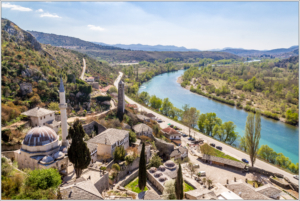
Ever since the end of the war in 1996, poverty and hardship has marked Bosnia’s fight for independence. This has left the country the second most impoverished nation in Europe, behind Bulgaria. Bosnia’s most impoverished group is the Romani or Roma. They are struggling to keep their households fed and facing challenges of discrimination and isolation. They have lost hope that the government will help them. Here is some quick, up-to-date information on the current state of Romani poverty in Bosnia and Herzegovina.
Romani Poverty in Bosnia and Herzegovina
- Poverty in Rural Areas: People living in rural areas of Bosnia are more impoverished in comparison to the population living in urban areas. The poverty rate of those living in rural areas is 19%, with urban areas being 9%.
- Intergenerational Poverty: The rate of Romani intergenerational poverty in Bosnia is very high. This is due to certain households’ lack of funding, skills or education necessary to put children through primary school.
- Discrimination: Children are the most at-risk group in Bosnia. Discrimination against Romani children is creating a barrier to education. Primary education for Roma children is at 69%. However, other populations in the country have an overall positive amount of enrollment, which is 98%.
- Undocumented Population: The population data of Bosnia does not factor in Romani people but estimates anywhere between 25,000 and 50,000 Roma living in Bosnia today. Due to the population data not recognizing them, a large number of Romani individuals are undocumented. As a result of being undocumented, they are unable to enjoy the full scope of citizenship or receive any governmental assistance, according to the European Roma Rights Centre.
- Housing Issues: Romani poverty in Bosnia recently made headlines when Bosnian officials began to threaten the most impoverished Romani families. The Banlozi camp houses 46 Roma families who moved to Banlozi from both rural and urban neighborhoods. The families had to move due to discrimination and the inability to afford their homes. Romani individuals regularly cannot obtain loans as well. Consequently, this leaves them no option to buy a home of their own. Police regularly raid the camp and officials are beginning to demolish the buildings. The camp is without clean, running water and pests infest it. The families situated in these camps receive a low stipend from the government, a stipend that does not cover food, education or health care. The families do not receive other options for housing after the eviction.
The European Roma Rights Centre
Romani poverty in Bosnia and Herzegovina has happened for a long time, with more publicized issues in bigger nations covering it up. The European Roma Rights Centre (ERRC) is a nonprofit coalition that activists, who sought independence and pride for Romani people, founded in the mid-1990s. The event that put them on the map was a landmark victory in a police brutality case involving a Romani family in Czechia. The family had a lease contract on flats in the city of Usti nad Labem. The police and municipal employees forcefully evicted them with no explanation. Additionally, the police proceeded to seize and destroy the lease contract. Police claimed that they made a declaration that they were going to terminate the contract and leave to Slovakia. However, there was no evidence of this declaration.
Since this victory, the ERRC has educated the population on the trials of the Romani people. Its mission is to advocate and assist the Romani population across Europe. It encouraged changes in the laws and encouraged the involvement with five other NGO coalitions for joint advocacy. The biggest step that one can take in addressing the issue of poverty within the Romani population is donating to and volunteering for the ERRC.
The fight for independence in Bosnia will not occur without hardship but teaches a lesson on how to sustain a secure nation. Bosnia’s government is facing struggles against the European superpowers that surround it. However, it is not without fault for the treatment of the Romani people.
– Raven Heyne
Photo: Flickr
