The Rise of Supermarkets in Africa
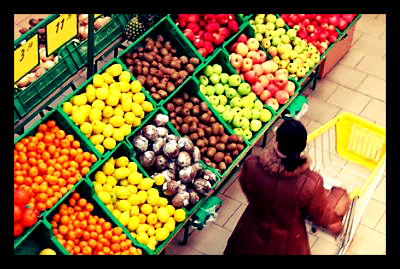
Customers engage in heated negotiations over tomatoes and beans, chickens cluck loudly, and a thick cloud of smoke surrounds tables. These tables sit on a dirt road, as meat rots in the heat. At this Zambian market, every farmer can sell a product and every customer can barter for a more affordable price.
And, yet few miles from the Bauleni market, customers stroll the aisles of a local Pick ‘n Pay.
The rise of supermarkets in Africa holds the promise of dramatically reducing poverty this region. These stores attract both farmers and customers. For farmers, this business offers a more reliable – and higher – income.
More than sixty small farmers currently produce food for a local Zambian Pick ‘n Pay. Agriculture dominates the economy in Zambia, providing more than 60 percent of the jobs. The manager reportedly receives five or six calls a day from local farmers. To ensure quality products, the company visits each farm, checks the water supply and offers further training.
These chains also offer men and women the opportunity to work in the store. For instance, women often chop and package food for the shelves.
Large commercial farms, however, pose a threat in some African economies. In Zambia, the Farmers Union holds significant political power, and lobbied the government for fair opportunity in the industry. The government negotiated with the supermarket chains and as a result, set the requirements for companies in the region. Chains like Pick ‘n Pay must purchase at least half of the products from Zambian suppliers.
In other nations, though, small farmers face less government assistance. In Lesotho, more than half of the two million residents farm. Yet these supermarket chains import an estimated 99 percent of goods from large South African businesses.
A small minority benefit from this current supply structure. If farmers live more than a few miles from the supermarket, participation is not feasible. Many do not have the refrigeration or transportation capabilities to meet the demands of a partnership. To include these farmers, companies must continue to expand or provide transportation.
One chain, Shoprite supermarkets, increased sales by 28 percent in the year. This chain established 47 new African stores, primarily in Nigeria and Angola. The expansion of may benefit or harm small farmers; more stores offer greater opportunity to sell produce, but also infringe on land traditionally used for farming.
Alone, small farmers cannot meet the quantity or quality demanded by these chains. However, those near a store partner to produce goods for a Pick ‘n Pay or other business. For instance, nearly sixty farmers consolidate produce in an independently-owned storehouse. Men and women from across the region deliver tomatoes, beans or onions in trucks – at times, wheelbarrows – to contribute to the business.
To continue to profit, these South African chains must tailor goods to the economic status of customers. For instance, customers in the cooper belt of Zambia purchase luxury chocolate bars or a sack of maize, a working class staple. The chains must offer a wide range of products, depending on the income of the region.
Six African nations rank among ten-fasted growing economies in the past decade. These supermarket chains help farmers capitalize on existing agriculture, offering a more secure income to those in poverty.
– Ellery Spahr
Sources: Marketplace, The Economist
Photo: Boag World
