Côte d’Ivoire’s Mango Industry Creating Jobs
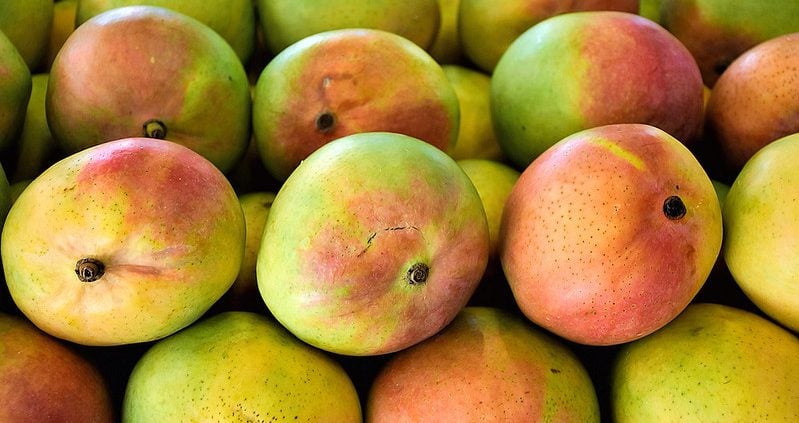 Agriculture remains central to Côte d’Ivoire’s economy, providing employment and income for millions. While cocoa is often highlighted, Côte d’Ivoire’s mango industry is also driving new economic opportunities. The country is Africa’s leading mango exporter and the third-largest supplier of fresh mangoes to Europe, behind only Brazil and Peru. The nation is transforming its mango sector from a seasonal activity into a modern value chain that creates jobs, supports industry, and reduces poverty.
Although Côte d’Ivoire has made significant progress in reducing poverty over the past decade, many rural households continue to rely on agriculture for their livelihoods. Expanding the mango industry is helping create employment opportunities, increase rural incomes and strengthen local economies, making it an important contributor to long-term poverty reduction.
Mangoes from Côte d’Ivoire are now shipped to supermarkets across Europe. However, experts note that the greatest potential lies in developing supporting industries. Investments in processing facilities, infrastructure, training, and local businesses are generating employment beyond traditional farming.
A Growing Industry Supporting Rural Communities
Mango production in northern Côte d’Ivoire forms the foundation of the sector, making the country the third-largest supplier of fresh mangoes to the European Union. For many rural families, mango cultivation provides essential seasonal income and supports local economies through jobs in harvesting, transport and trade.
Researchers at the Austrian Foundation for Development Research suggest that expanding mango production could create additional opportunities. Increased availability for export and local processing would enable more farmers to access international markets and raise their incomes. Export agriculture has also helped narrow the productivity gap between male and female farmers, demonstrating that with adequate support, commercial farming can promote greater equality.
The establishment of Inter-Mango in 2018 marked significant progress for the industry. This organization unites producers, traders and processors to enhance collaboration, increase competitiveness and improve quality standards. As the sector expands, it also works to strengthen Côte d’Ivoire’s mango value chain, ensuring more businesses can benefit from the industry’s growth.
Creating Jobs Through Processing
While fresh mango exports remain important, experts believe that processing mangoes domestically offers the greatest potential for job creation. Local businesses produce dried mangoes, pulp, juice, nectar, jams and mango butter, providing year-round employment rather than only seasonal work.
Processing also cuts down on waste. Many mangoes cannot be exported because they do not meet appearance standards or are damaged after picking. Instead of discarding them, these fruits can be turned into new products, helping businesses earn more, create factory jobs and reduce food waste.
This approach has already produced positive results. From 2017 to 2021, dried mango production rose significantly as processing capacity grew. The Ivorian government has supported this trend by targeting the domestic processing of 50% of agricultural products, ensuring more value remains within the national economy.
Researchers from the Austrian Foundation for Development Research view processing not only as manufacturing but as a means to achieve more stable employment, stronger local businesses, and greater economic resilience.
Government Investment Is Strengthening the Sector
Public investment has been instrumental in this transformation. Through the Competitive Value Chains for Employment and Economic Transformation Project (PCCET) supported by the World Bank, Côte d’Ivoire is modernizing agriculture and encouraging local processing.
The Support Project for Strengthening the Competitiveness of the Industrial Sector (PARCSI), backed by the African Development Bank and the government, shares these objectives. Instead of focusing only on production, these initiatives aim to strengthen entire value chains by promoting industrial development, attracting investment and enhancing competitiveness. By encouraging investment in processing and manufacturing, they are helping create sustainable employment opportunities and increase incomes for rural communities rather than relying solely on raw agricultural exports.
Experts recommend tying fiscal incentives and foreign direct investment to measurable employment targets to ensure industrial growth benefits local communities.
Jobs Beyond the Orchard
The mango industry’s benefits extend beyond farming and processing. Each stage of the value chain generates demand for additional businesses and workers.
Fresh mango exports depend on packaging manufacturers, transport companies, warehouses and logistics providers to move fruit efficiently to ports. Processing industries require bottling companies, sugar suppliers and machinery manufacturers. Industrial parks and improved electricity infrastructure support efficient factory operations.
Experts identify waste recovery as an emerging opportunity. Currently, an estimated 30% to 40% of mango production is lost after harvest. Developing industries to utilize this fruit for processed foods or other products could generate additional employment and reduce waste.
Supporting these backward linkages enables more businesses to participate in the industry’s growth and ensures a greater share of economic benefits remains within Côte d’Ivoire.
Investing in People
The continued success of Côte d’Ivoire’s mango industry depends on developing a skilled workforce. Experts recommend expanding vocational education, agricultural extension services, and technical training to prepare workers for specialized roles in processing, logistics and manufacturing.
Projects have provided management, marketing and industrial maintenance training for company executives, while also promoting collaboration between universities and businesses through internships and practical learning opportunities.
Researchers emphasize the importance of supporting women and young people. Expanding financial inclusion, strengthening producer organizations and improving access to technical education can help ensure that future industry growth benefits rural communities broadly, rather than only a few businesses.
Looking Ahead
Although challenges remain, such as infrastructure gaps, post-harvest losses and maintaining international quality standards, the outlook for Côte d’Ivoire’s mango industry is promising. Ongoing investment in processing, skills development and industrial infrastructure is transforming mangoes from a seasonal export into a driver of broader economic development.
By strengthening each stage of the value chain, Côte d’Ivoire demonstrates how agricultural investment can generate employment, support local businesses and improve rural livelihoods. Indeed, as the sector evolves, the mango industry serves as an example of how targeted investment and innovation can create jobs, increase incomes for rural households, build more resilient local economies and contribute to long-term poverty reduction.
– Jessica Begg
Jessica is based in Edinburgh, UK and focuses on Good News and Politics for The Borgen Project.
Photo: Flickr
