Rebuilding the Sahel
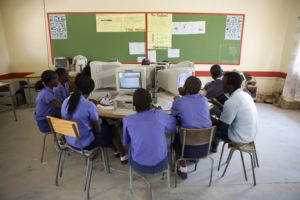 The goal of rebuilding the Sahel has been made tougher by environmental crises and social upheaval, but it remains an important goal. The Sahel Humanitarian Assistance and Protection Program (SHAPP) was launched in 2021 to rebuild the Sahel region of Africa and protect its most vulnerable people. The program aims to invest $303 million of U.K. aid, over seven years, in the countries of Mali, Niger, Chad, Mauritania and Burkina Faso, which together form the Sahel region of Northern Africa.
Emphasis was placed on rebuilding the Sahel by concentrating aid efforts on areas where human rights violations were exacerbating pre-existing malnutrition crises, caused by an unstable climate and agricultural sector. The U.K.’s Foreign, Commonwealth and Development Office is the government department responsible for running the SHAPP. It has identified: child protection, aiding survivors of gender-based violence and providing sanitary food and drinking water, as the three most cost-effective areas for aid projects to focus on. SHAPP has had to work alongside other ongoing aid projects in these areas.
Issues in the Sahel
The Sahel region is a savannah area directly south of the Sahara Desert. This makes it vulnerable to climatic swings, with the region having experienced a range of droughts throughout the last century. This, combined with the landlocked status of Chad, Niger, Mali and Burkina Faso, has slowed the Sahel’s development relative to its North and East African counterparts.
These pre-existing issues have been worsened by a succession of jihadist insurgencies in the region over the last 10 years. Additionally, all four of the Sahel’s landlocked countries have experienced military coups between 2020 and 2023.
The 2024 Global Humanitarian Review estimated that one in five people living in the Sahel were in need of humanitarian aid, a total of roughly 17 million people. It is believed these issues have disproportionately impacted women and girls, with many families choosing to pull their daughters out of school during times of financial hardship.
The Sahel Child Project
Founded in 2013, the Sahel Child Project aims to rebuild the Sahel by providing health care and education for children across the region, as well as emergency assistance during times of crisis. The project also aims to enforce the U.N. Declaration of the Rights of the Child, which is often neglected by the Sahel’s military regimes. This often involves educating children displaced by conflict and providing them with basic food and health care.
In these activities, SHAPP often provides financial and logistical support to the project. The two organizations also often collaborate when finding new homes for children who have lost their families to conflict or have been separated from them when searching for a safe house.
Gender Equality in the Sahel
The U.K. was one of nine countries to bring a joint statement to the U.N. in August 2025, setting out its aims for reducing gender-based violence in the Sahel. The statement recommends that at least 15% of the U.N.’s spending on the Prevention of Violent Extremism be devoted to advancing gender equality.
SHAPP has also worked with the Alliance Sahel platform, which coordinates international donations aimed at rebuilding the Sahel, to publicize the stories of victims of gender-based violence.
The African Development Bank has also committed to producing a gender equality index for its member countries. This has been done to incentivize governments to improve their country’s score, to appear more attractive to potential trading partners and to receive more favourable terms when borrowing money.
Water Provision
The economy of the Sahel region relies on agriculture to support its population. This means that schemes rebuilding the Sahel need to consider the Sahel’s dependence on its water supply, which can fluctuate dramatically due to climatic shifts. The World Bank, via the International Development Association (IDA), has invested more than $170 million in the Sahel Irrigation Initiative Support Project.
This scheme aims to allow local farmers to harness the excess water available during high rainfall, better protecting their produce from drought. The scheme was estimated to have directly benefited more than 150,000 people between its launch in May 2017 and April 2024. This effort is helping strengthen the Sahel’s economic independence.
The Future of the Sahel
Political instability can seriously hamper a nation’s development and risk plunging many citizens into poverty. This does not, however, prevent international aid from being used effectively or prevent international cooperation from overcoming a region’s geographical barriers to development. The Sahel can begin to rebuild its economy for the good of its citizens, but only with the necessary international support.
– Billy Stack
Billy is based in London, UK and focuses on Global Health and Politics for The Borgen Project.
Photo: Flickr
