5 Facts About Poverty in Comoros
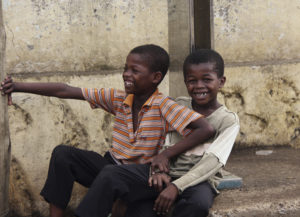
Comoros continues to struggle today with extreme poverty, unemployment and a severe wealth gap. The country has undergone more than 20 successful or attempted coups, as well as facing a devastating cyclone. Poverty in Comoros continues to require immediate attention. Here are five facts about poverty in Comoros.
5 Facts About Poverty in Comoros
- Poverty in Comoros affects almost half the population. The African Development Bank Group reports that 44.1% of people in Comoros live in poverty and they typically earn only 25,341 Comorian francs or less monthly. In addition, 23.5% of people in Comoros live in extreme poverty. However, data from The World Bank places “Comoros ahead of other low-income countries and 30 percentage points ahead of other countries in Sub-Saharan Africa.”
- Rural areas suffer disproportionately compared with urban areas. Comoros’s economy relies primarily on agriculture. Its three main export crops are vanilla, cloves and ylang-ylang. Additionally, agriculture accounts for 50% of Comoros’s GDP and supports most of its workforce. However, the country’s rural areas are typically its poorest and about 50% of Comoros’s people do not have enough to eat.
- Education in Comoros faces challenges. In 2018, Comoros reported a secondary education enrollment rate of 59.47% of all eligible children. In addition, only 58.82% of people in Comoros older than 15 years old could claim literacy in 2018. This is low compared to the global average of 86.3% for this age group.
- Relief efforts for Cyclone Kenneth could improve poverty in Comoros. When Cyclone Kenneth passed through Comoros in 2019, 345,000 people felt its effects. As a result, seven people died, and 182 experienced an injury. Moreover, 19,372 people found themselves displaced, and the cyclone completely destroyed 213 classrooms. This natural disaster further damaged an already insufficient economy and educational system. In response to this disaster, CERF allocated $13 million to relieve those that Cyclone Kenneth affected. The money is going toward providing food, shelter and other necessities to those suffering the effects of Kenneth, and rebuilding schools. UNICEF has also stepped in to help, joining efforts with Educate a Child to educate more than 3.3 million children in numerous African nations, including Comoros.
- Tourism could have a positive impact on Comoros. For years, as a result of its history of unrest and political instability, the world economy has neglected Comoros’s tourism sector. However, with its beautiful beaches, Comoros stands to gain much from an increase in tourism. This change would allow the country to become less reliant on its agricultural sector. Additionally, it might help provide food that the population desperately needs. Comoros exports 70% of its food, a number that could decrease with a rise in tourism.
Looking Ahead
Comoros is still recovering from the effects of its deeply-rooted poverty and of Cyclone Kenneth. The country faces poverty-related challenges in rural areas as well as in the education sector. Cyclone Kenneth exacerbated existing conditions. However, organizations like UNICEF and CERF are stepping in to help address the impacts of the cyclone. Increases in tourism also appear to be an untapped economic sector that could lead to positive changes in Comoros.
– Will Sikich
Photo: Flickr
