Poverty and Permaculture Design in Rwanda
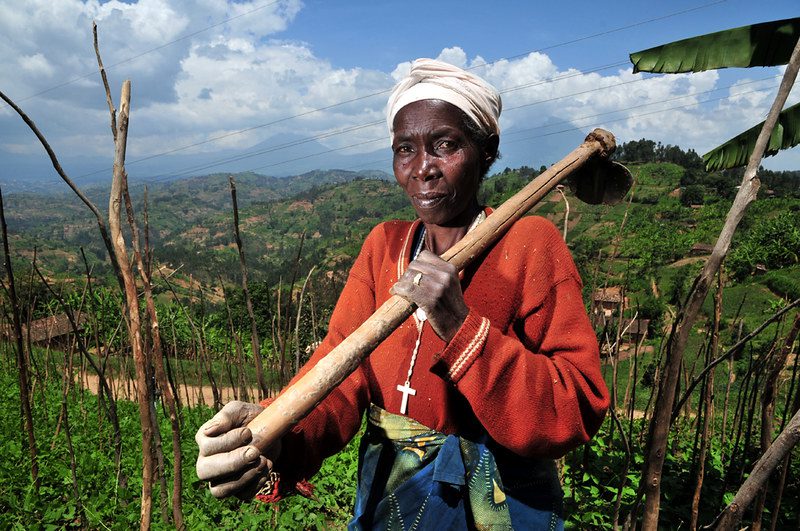 In Rwanda, permaculture design is gaining traction as a tool to combat poverty and enhance environmental sustainability. This method combines biodiversity conservation with community empowerment, offering a robust framework for tackling socioeconomic and ecological challenges. Permaculture design fosters strategies that simultaneously alleviate poverty through regenerative agriculture, community gardening and ecosystem restoration projects by focusing on sustainable practices, biodiversity conservation and community empowerment.
Core Principles of Permaculture Design
In essence, permaculture is permanent agriculture or permanent culture. It encompasses principles and practices aimed at creating sustainable and self-reliant systems modeled after natural ecosystems. At the heart of permaculture design are three ethical principles: earth care, people care and fair sharing, which involves the sharing of surplus. These ethics underpin the application of various principles, which include:
- Observe and Interact. Research and make use of the natural patterns and processes of the landscape and, in the process, build a closer relationship between humans and their ecology.
- Designing from Patterns to Details. Study existing patterns in nature as a source of information to develop an integrated and harmonious system.
- Integration of Functions. Ensure a multi-functional design that maximizes the benefit of every element in a system for efficiency and resilience.
- Renewable Resources. Increase the usage of renewable resources and decrease the use of nonrenewable inputs that decrease the ecological footprint and make the project sustainable.
- Small-Scale Intensive Systems. Even on a small scale, much is done for intensive agricultural systems to optimize yields while trying to minimize input in resources and labor use and reduce environmental impacts.
Permaculture’s Role in Poverty Alleviation
In Rwanda, a large proportion of the population faces poverty and permaculture design principles are proving effective in addressing these ongoing challenges and fostering sustainable development. Regenerative agriculture practices, such as agroforestry and soil conservation techniques, show great potential for restoring degraded lands, enhancing soil fertility and boosting productivity. Recent statistics from the Rwanda Agriculture and Animal Resources Development Board (RAB) indicate that smallholder farmers adopting permaculture techniques have seen crop yields increase by 30%, significantly improving food security and income generation.
Community Impact
Community gardening initiatives in Rwanda, driven by permaculture principles, are making strides in alleviating poverty and enhancing social cohesion. These ongoing initiatives enable communities to cultivate nutritious food while fostering collective decision-making, knowledge-sharing and skill-building. According to a report from the Rwanda Agriculture Board, food insecurity has decreased by 25% among households involved in these projects and dietary diversity has increased by 15%. This data underscores the effectiveness of permaculture-based interventions in boosting household resilience and well-being.
Employment Opportunities
Permaculture design creates employment opportunities for marginalized populations in Rwanda by focusing on environmental conservation and ecosystem restoration. Projects that rehabilitate degraded landscapes through tree planting, water harvesting and biodiversity conservation enhance ecosystem services such as water filtration, carbon sequestration and pollination. These services are vital for agricultural productivity and human livelihoods. According to Rwanda’s Environment Management Authority, permaculture-based initiatives have rehabilitated more than 500 hectares of degraded land, involving more than 10,000 rural households and reducing soil erosion by 40% in targeted areas.
The Future of Permaculture in Rwanda
Rwanda’s commitment to permaculture continues to promise sustainable development and poverty reduction. As more communities engage in these ecological and agricultural practices, the potential for improved livelihoods and environmental health grows. The future holds great promise for expanding permaculture’s impact, enhancing both the economy and the ecosystem in Rwanda.
– Honorine Lanka Perera
Honorine is based in Highland, NY, USA and focuses on Good News and Technology for The Borgen Project.
Photo: Flickr
