• Link to X
  • Link to Facebook
  • Link to Instagram
  • Link to TikTok
  • Link to Youtube
  • About
    • About Us
      • President
      • Board of Directors
      • Board of Advisors
      • Financials
      • Our Methodology
      • Success Tracker
      • Contact
  • Act Now
    • 30 Ways to Help
      • Email Congress
      • Call Congress
      • Volunteer
      • Courses & Certificates
      • Be a Donor
    • Internships
      • In-Office Internships
      • Remote Internships
    • Legislation
      • Politics 101
  • The Blog
  • The Podcast
  • Magazine
  • Donate
  • Click to open the search input field Click to open the search input field Search
  • Menu Menu
Blog - Latest News
Foreign Aid, Foreign Policy, Global Poverty, Government

Electrify Africa Act Signed Into Law
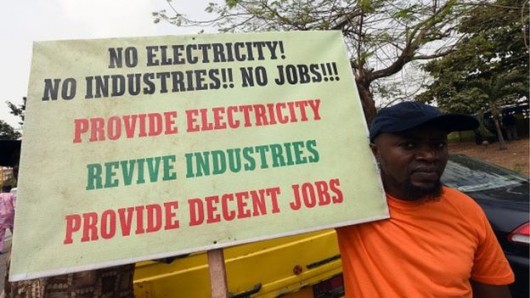
Electrify Africa
President Obama has signed into law the Electrify Africa Act of 2015, which will bring electricity to millions in Africa.

About two-thirds of people in Africa do not have access to reliable power, according to BBC News. The Electrify Africa Act will establish a strategy to help sub-Saharan countries implement power solutions to promote economic growth and reduce poverty.

For people without electricity, simple tasks such as cooking or reading are complicated without a light source at night. Many people in Africa are also unable to use modern technologies, like cell phones or computers, or do basic tasks such as refrigerating food and medicine.

The lack of electricity causes some families in Africa to use fossil fuels or charcoal, which has a negative effect on the environment and health.

According to BBC News, House Committee on Foreign Affairs Chairman Ed Royce stated that this initiative will “improve the lives of millions in sub-Saharan Africa by helping to reduce reliance on charcoal and other toxic fuel sources that produce fumes that kill more than HIV/Aids and malaria combined.”

Electrify Africa
Power Africa was launched by President Obama in 2013. It took nearly two years for it to pass through the Senate and House of Representatives and become the Electrify Africa Act of 2015.

The U.S. initially invested $7 billion in the project but that number has since risen to nearly $43 billion. According to Voice of America, the high cost of energy in sub-Saharan Africa makes producing exports impossible, so it would be beneficial to the U.S. to help Africa become a major trading partner.

In addition to the U.S. government, African governments and private companies are involved in the development of the Power Africa initiative. The Electrify Africa Act provides a framework for companies to invest in African energy solutions.

The long-term goal is to double the amount of electricity available to people in sub-Saharan Africa, bringing electricity to 50 million people in the region by 2020.

– Kaitlyn Arford

Sources: BBC, Christian Science Monitor, Voice of America

March 7, 2016
Share this entry
  • Share on Facebook
  • Share on X
  • Share on WhatsApp
  • Share on Pinterest
  • Share on LinkedIn
  • Share on Tumblr
  • Share on Vk
  • Share on Reddit
  • Share by Mail
https://borgenproject.org/wp-content/uploads/borgen-project-logo.svg 0 0 Borgen Project https://borgenproject.org/wp-content/uploads/borgen-project-logo.svg Borgen Project2016-03-07 01:30:422020-06-22 16:49:45Electrify Africa Act Signed Into Law

Get Smarter

  • Global Poverty 101
  • Global Poverty… The Good News
  • Global Poverty & U.S. Jobs
  • Global Poverty and National Security
  • Innovative Solutions to Poverty
  • Global Poverty & Aid FAQ’s
Search Search

Take Action

  • Call Congress
  • Email Congress
  • Donate
  • 30 Ways to Help
  • Volunteer Ops
  • Internships
  • Courses & Certificates
  • The Podcast
Borgen Project

“The Borgen Project is an incredible nonprofit organization that is addressing poverty and hunger and working towards ending them.”

-The Huffington Post

Inside The Borgen Project

  • Contact
  • About
  • Financials
  • President
  • Board of Directors
  • Board of Advisors

International Links

  • UK Email Parliament
  • UK Donate
  • Canada Email Parliament

Get Smarter

  • Global Poverty 101
  • Global Poverty… The Good News
  • Global Poverty & U.S. Jobs
  • Global Poverty and National Security
  • Innovative Solutions to Poverty
  • Global Poverty & Aid FAQ’s

Ways to Help

  • Call Congress
  • Email Congress
  • Donate
  • 30 Ways to Help
  • Volunteer Ops
  • Internships
  • Courses & Certificates
  • The Podcast
Link to: How to Help Refugees and Displaced Populations Link to: How to Help Refugees and Displaced Populations How to Help Refugees and Displaced Populations Link to: Educating Women in Developing Countries Link to: Educating Women in Developing Countries Educating Women in Developing Countries
Scroll to top Scroll to top Scroll to top