• Link to X
  • Link to Facebook
  • Link to Instagram
  • Link to TikTok
  • Link to Youtube
  • About
    • About Us
      • President
      • Board of Directors
      • Board of Advisors
      • Financials
      • Our Methodology
      • Success Tracker
      • Contact
  • Act Now
    • 30 Ways to Help
      • Email Congress
      • Call Congress
      • Volunteer
      • Courses & Certificates
      • Be a Donor
    • Internships
      • In-Office Internships
      • Remote Internships
    • Legislation
      • Politics 101
  • The Blog
  • The Podcast
  • Magazine
  • Donate
  • Click to open the search input field Click to open the search input field Search
  • Menu Menu
Blog - Latest News
Global Poverty

The Neighborhood Effect: Improving Urban Health?
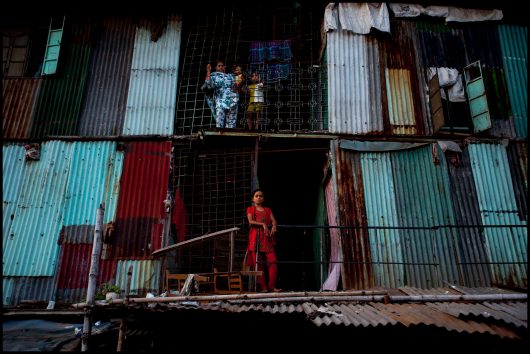
"The Neighborhood Effect" Exerted by Clusters of Rural Homes
A recent Warwick Medical School study revealed that households within a community are affected by similar health factors. This effect has been aptly termed the neighborhood effect and has important health implications.

Urban communities in developing countries often concentrate households as a result of high population density and low space availability. Close contact increases the likelihood of outbreaks of severe diseases such as tuberculosis and influenza.

While epidemics are likely to gain momentum rapidly, the neighborhood effect suggests it is equally true that small improvements in health provision can have positive outcomes for entire communities at once. For instance, introduction of vaccines to prevent disease onset can shield most of the population from contracting the disease.

Establishment of local clinics and health facilities cater to large numbers of people at once, making health provision a lucrative and beneficial venture. It can also encourage individuals to seek healthcare more frequently, especially when they witness the benefits such as decreased rate of illness, improved vitality and greater life expectancy in the surrounding community.

Many overcrowded communities struggle to match supply with demand for resources. Provision of clean water is a notable problem, as waterborne diseases such as cholera and dysentery can be easily transmitted through consumption of or interaction with unclean water sources. Mass water purification techniques can quickly benefit large numbers of people, reducing the likelihood of contracting waterborne illnesses and other diseases associated with consumption of unclean water.

Statistics indicate that 54 percent of the global population lived in urban areas in 2015. This is predicted to increase to 66 percent by 2050. The United Nations expects low- and middle-income countries to be responsible for 90 percent of future urban population growth, and Cities Alliance reports that one third of the urban population in developing countries lives in slums.

Especially in light of these statistics, the neighborhood effect has important implications for the interventions we choose to provide to urban areas. The same phenomenon that amplifies health hazards in crowded slums has the potential to bring rapid health improvements instead.

– Tanvi Ambulkar

Photo: Flickr

November 17, 2016
Share this entry
  • Share on Facebook
  • Share on X
  • Share on WhatsApp
  • Share on Pinterest
  • Share on LinkedIn
  • Share on Tumblr
  • Share on Vk
  • Share on Reddit
  • Share by Mail
https://borgenproject.org/wp-content/uploads/borgen-project-logo.svg 0 0 Borgen Project https://borgenproject.org/wp-content/uploads/borgen-project-logo.svg Borgen Project2016-11-17 01:30:092024-06-07 05:07:38The Neighborhood Effect: Improving Urban Health?

Get Smarter

  • Global Poverty 101
  • Global Poverty… The Good News
  • Global Poverty & U.S. Jobs
  • Global Poverty and National Security
  • Innovative Solutions to Poverty
  • Global Poverty & Aid FAQ’s
Search Search

Take Action

  • Call Congress
  • Email Congress
  • Donate
  • 30 Ways to Help
  • Volunteer Ops
  • Internships
  • Courses & Certificates
  • The Podcast
Borgen Project

“The Borgen Project is an incredible nonprofit organization that is addressing poverty and hunger and working towards ending them.”

-The Huffington Post

Inside The Borgen Project

  • Contact
  • About
  • Financials
  • President
  • Board of Directors
  • Board of Advisors

International Links

  • UK Email Parliament
  • UK Donate
  • Canada Email Parliament

Get Smarter

  • Global Poverty 101
  • Global Poverty… The Good News
  • Global Poverty & U.S. Jobs
  • Global Poverty and National Security
  • Innovative Solutions to Poverty
  • Global Poverty & Aid FAQ’s

Ways to Help

  • Call Congress
  • Email Congress
  • Donate
  • 30 Ways to Help
  • Volunteer Ops
  • Internships
  • Courses & Certificates
  • The Podcast
Link to: State of Refugees Worldwide Link to: State of Refugees Worldwide State of Refugees Worldwide Link to: Poor Health in the Pacific Has Hope Link to: Poor Health in the Pacific Has Hope Poor Health in the Pacific Has Hope
Scroll to top Scroll to top Scroll to top