State of Refugees Worldwide
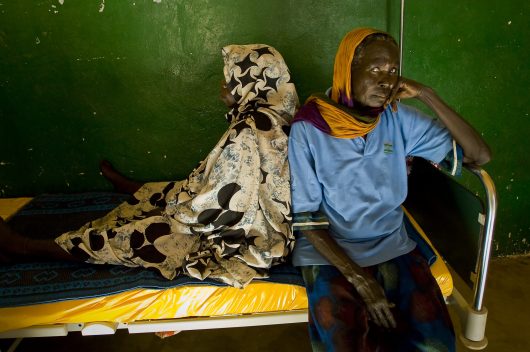
When it comes to the state of refugees and displaced people worldwide, the Office of the United Nations High Commissioner for Refugees (UNHCR) stands ready to protect the rights of those forced to leave their homes. Since the commission’s start in 1950, the UNHCR budget has grown from $300,000 in its first year to around $7 billion in 2015. This agency collects a lot of data regarding the whereabouts and status of refugees around the world in order to maintain a steady and productive presence.
With 65.3 million forcibly displaced people, 21.3 million refugees and 10 million stateless individuals, this type of organization and statistical bookkeeping is essential to progress. Currently, the world is peaking at its highest rate of displacement on record. About half of the global refugee population is under 18, and around 34,000 men, women and children are displaced every day, begging the questions: What countries are these refugees forced to leave? What countries have taken them in?
It is measured that 53 percent of all the world’s refugees are departing from just three countries: Somalia, Afghanistan and Syria — in that order. The civil war in Somalia is the single largest event adding to the refugee population, currently forcing refugees to flee into surrounding areas such as Kenya for the past 24 years.
While in Afghanistan, rampant insurgency from the Taliban and Daesh keep refugees from returning home. Most notable in the current media landscape is the third largest refugee contributor, Syria, which is experiencing genocide, civil war and an increasingly destabilized sociopolitical landscape.
With such a massive population exiting the places they call home, every part of the globe has had to accept displaced peoples. The regions harboring the most refugees are the Middle East and North Africa, collectively populated by 39 percent of all of the world’s displaced individuals. Surprisingly, the United States and Europe admit the least amount of people to seek refuge within their borders at 12 percent and six percent respectively.
As for the individual nations containing the highest refugee populations, Turkey, Pakistan and Lebanon top the list with Iran, Ethiopia and Jordan not far behind. Turkey currently contains 2.5 million displaced individuals from a multitude of areas, establishing the country as a refugee capitol of sorts. The next closest, Pakistan, contains 1.6 million displaced people. Most of this group comes from Afghanistan, as Pakistan is the closest geographic neighbor for much of the Afghan population.
The UNHCR is currently working in 128 different countries to alleviate the suffering that comes with the mass diaspora. Increased funding, as well as more nations willing to accept those without homes, is required if these problems are to end eventually. Many within the U.S. and abroad continue to work tirelessly to provide future for people with no say in how their lives progress. It will take global cooperation to see this crisis to a peaceful resolution and better the current state of refugees around the world.
– Aaron Walsh
Photo: Flickr
