Recovering from Natural Disasters: Japan
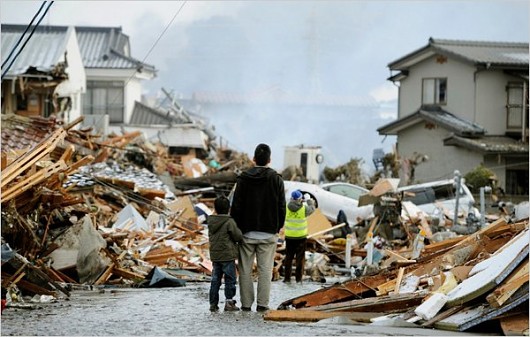
Water, wind, fire and earth are four key elements which, when combined properly, create a perfectly harmonious world. But if one decides to go slightly awry, disaster can strike.
When disaster strikes, media coverage of the event and its aftermath is extensive and intense. After all of the tragic glamour of the disaster subsides, however, the public rarely hears any more about the victims, who are forced to rebuild their lives for years.
Water strikes in the form of a tsunami, one of which hit Japan rather brutally in 2011 and whose mark can still be seen four years later. While Japan is rather used to getting hit with natural disasters, as it has been home to some of the worst disasters in the 21st century, according to the Japan Times, it still has around 230,000 people living in temporary housing four years after the tsunami. Recovery has been slow partially because of the involvement of another element, earth: Soon after the tsunami hit, an earthquake followed. This came as a result of Japan existing within the “Ring of Fire,” which is the area of the world most susceptible to earthquakes due to tectonic plate positioning. The combined damages from the earthquake and the tsunami totaled to around $300 billion.

This earthquake caused a crack in a nuclear reactor close to Japanese water supplies, and this small, fiery crack led to a whole host of issues. Contaminated water was only another issue on a long list of things that needed to be fixed after this collection of tragic events. To repair the damage, Japan enacted a seven step plan, which has been slowly making progress and is almost complete. But none of this would have been possible without the aid of foreign nations and the support systems they have in place.
In the United States, there are organizations such as the Red Cross and FEMA, which allocate money and volunteers to help in the event of an emergency. Internationally, the International Federation of Red Cross and Red Crescent Societies act to help nations develop and carry out their disaster relief plans. While the IRFC has developed several guidelines and regulations, few states have followed these regulations without contradicting one another. Recently, the organization has strived to perfect its work by releasing guidelines that strictly adhere to those adopted by state parties at the Geneva Convention, and have also created model acts and disaster law databases to permit governments to ensure that they are getting the best help possible.
Disaster can strike without warning and the side effects can lasts for years afterward. It is imperative for the global community to understand the old economic theory of the butterfly effect — when one problem occurs, even if it is halfway across the world, it will have repercussions for everyone. By helping each other grow and recover we preserve industry, trade and the lives of individuals who do not have a place to call home. Disaster can ruin lives, but that does not mean that we should let it.
– Sumita Tellakat
Sources: IFRC, Live Science
Photo: The New York Times
