Natural Disaster Education Eases Economic Blow
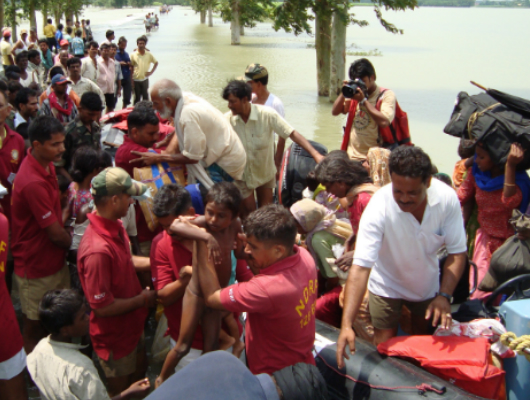
As El Niño once again stirs the atmosphere. Skiers look forward to a good amount of snow and developing countries anticipate disaster.
El Niño is defined as “above-normal sea surface temperatures in the eastern and central equatorial Pacific Ocean.” It occurs every two to seven years and can last for several months.
When ocean temperatures change, so do wind and precipitation patterns and land temperatures. Some areas receive life-saving rainfall while others experience heavy flooding and droughts. Tropical cyclones and wildfires are also common side-effects.
Countries vulnerable to harsh weather, such as agriculture-based economies and areas with unstable infrastructure, face famine, disease and increased poverty. Economies without the means to make repairs deteriorate further, and families are left homeless and hungry.
This year, as the world faces one of the strongest El Niños in 50 years, USAID is implementing natural disaster education in vulnerable countries. The more prepared a country is to respond to and prevent natural disasters, the quicker its economy can recover.
In New Guinea, where a combination of drought and floods decimated the sweet potato crop and left many without a source of income, USAID is providing agricultural training to make fields more resilient. Techniques such as planting over last season’s crop stubble and using cover crops help the soil retain three times as much moisture.
Latin American meteorologists are learning to use the Flash Flood Guidance System to predict flash floods. Studying rainfall and absorption buys as much as six hours to evacuate people and animals. It’s not a lot of time, but it’s enough to prevent heavy casualties.
As more people move in Nacala, Mozambique, they risk settling in areas that are vulnerable to the climate. Flooding, erosion and water scarcity can damage infrastructure and impede development.
USAID founded the Climate Resilient Infrastructure Services program to educate newcomers about climate vulnerabilities and high-risk areas, as well as teach natural disaster response techniques. Climate change awareness saves a lot of money and prevents future heartache.
Similar to Nacala, Vietnam has begun studying climate change and proper responses. One of its cities, Hue, experiences frequent heavy floods, which encourage extreme poverty and disease.
USAID is helping Hue, and Vietnam in general, to predict flooding and create infrastructure that can withstand heavy water over an extended period of time.
As a result of warnings, communities in Africa organized food, medicine and housing in anticipation of natural disasters and resulting diseases. El Niño is occurring more frequently in Africa, leaving little time for recovery, so food and supply storage is vital.
Families who lose their homes and occupations can utilize the supplies until they regain their livelihood. Instead of dissolving, communities will remain intact and functional and poverty will be kept at bay.
Natural disasters leave thousands dead or impoverished each year, but it doesn’t have to be this way. Natural disaster education saves lives and prevents poverty. Instead of having to rebuild their lives from the ground up, people in developing countries can continue to move forward and improve their situations.
– Sarah Prellwitz
Sources: USAID 1, USAID 2, NOAA, Accuweather, IB Times, Live Science
Photo: Wikimedia
