How Mutual Aid in Sudan Helps Women
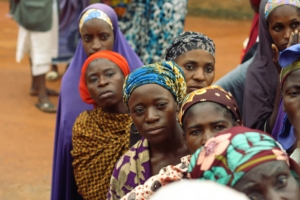 The ongoing humanitarian crisis and military conflict in Sudan have severely disrupted state structures and the effective delivery of international aid. As a result, the Sudanese people now rely on volunteer groups that have practically replaced the national service networks. Mutual, women-led aid groups have formed a critical network of sustenance and support, especially for the most vulnerable populations, including women and children.
The Many Aspects of Help
These are some of the ways mutual aid in Sudan has provided support for nearly two years to date:
- Provides essential products for women, such as sanitary items, personal hygiene supplies, first aid kits and supplements for pregnant women. According to United Nations (U.N.) estimates, more than 15 million women and girls are among the most vulnerable, facing scarce health care and rampant malnutrition.
- Creates support groups to help individuals cope with the extreme realities of war. Mental health support is offered through both online and in-person meetings. Mutual aid in Sudan provides not only material goods but also safe spaces where women and girls can seek understanding and share their experiences.
- Organizes shelter and schools, along with child-friendly spaces and day care groups. Sudan’s crisis has caused large-scale displacement. In response, mutual aid groups work to place women and children in safe locations, whether with host families, in repurposed administrative buildings or in refugee camps, building a protective safety net around families.
- Educates women and girls in mental health, as well as breast cancer awareness. Mutual aid in Sudan focuses not only on direct emergency response but also on spreading information through economic and practical skills projects. These educational efforts aim to ensure that beneficiaries can use the acquired skills to improve their quality of life not only during the ongoing crisis but also after the situation stabilizes.
- Secures food and water supplies. Volunteers form associations that focus on growing fruit and vegetables. Aid groups donate the produce to community kitchens and sell the surplus to fund other activities. Despite funding shortages, community kitchens remain a vital lifeline for many families and continue operating with the support of aid groups. Volunteers also respond to immediate needs, such as providing water to areas with disrupted supply due to issues like defective wells.
Women Power Sudan’s Aid Network
The mutual aid network consists of more than 700 groups across the country. Most of the groups are built of and led by women. The volunteers receive 95% of all donated funds to act on the ground and the network is mostly self-reliant.
Main channels of communication and planning are social media, especially Facebook, where volunteers interact with each other, as well as people in need. Sudanese citizens rely heavily on the aid provided by the mutual response network for day-to-day crisis management.
Bringing Water and Hope
Mutual aid in Sudan not only provides essential support to women and children affected by the humanitarian crisis. Volunteer groups also bring hope and a sense of solidarity. As one of them, Ibrahim, explains: “The beautiful thing is that we come together and spend time doing this, which is therapeutic and purposeful. Beautiful values have emerged from this hardship and I hope they will continue afterward.”
– Patrycja Pietrzak
Patrycja is based in Cyprus and focuses on Good News for The Borgen Project.
Photo: Unsplash
