Mapping Roads in Tanzania Improves Healthcare
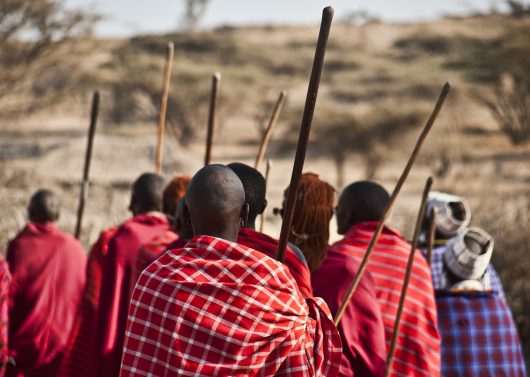
Mapping roads in Tanzania will fuel economic growth and development as well as improve healthcare and response to natural disasters.
Like many developing countries, roads and cities in Tanzania were previously off the grid from GPS devices and Google services such as Street View. With no map data, it is difficult to deliver aid and supplies to communities in need. Lack of map data affects virtually all transit in a country, from farmers transporting food to markets to residents of cities finding routes that avoid traffic on their commute.
However, recent efforts from the U.S. Agency for International Development (USAID) and the World Bank have begun to put Tanzanian roads on the grid.
In an effort to improve how health supplies are delivered, USAID began mapping roads in Tanzania that connect more than 5,600 health centers. So far, more than 30,000 kilometers of roads have been mapped across the nation.
Previously, transporting medical supplies between these health centers and the communities that needed them was difficult because nearly half of Tanzania roads were not mapped online. This meant that if drivers did not know their delivery route, they had to rely on directions from locals. Drivers also did not know the road conditions or how long routes would take.
To map large amounts of roads quickly, USAID installed tracking devices on trucks from Tanzania’s medical stores department (MSD). USAID and MSD were able to determine the quickest routes possible to distribute medical supplies based on the data. The organizations also released the data to the public so all those looking to travel in Tanzania have access to the information.
The Ramani Huria community mapping group in the city of Dar es Salaam helped upload this data. The group has also begun mapping the streets of Dar es Salaam, where map data will become crucial to help the city better prepare and respond to natural disasters.
To map the city’s streets, local volunteers attach camera rigs to their vehicles and take pictures as they travel the streets. They can also use the Swedish app Mapillary to take photos as they walk or hitch rides around the city.
So far volunteers have helped map 300 miles of the project’s 2,000-mile goal. Images captured with Mapillary become 3D digital maps that show real-time data of Dar es Salaam.
Aside from the maps providing data about traffic and travel times, they can also be used to help locate areas that are in danger of flooding, develop plans to prepare for heavy floods and assess which routes can be taken to deliver aid in case of flooding.
Rising sea levels and heavy rainfall from March to May leave Tanzania prone to floods. Each year floods leave hundreds to thousands of Tanzanians homeless and cause many deaths. While the poverty rate is 28 percent, mapping roads in Tanzania will help combat some of the issues that lead to poverty.
– Cassie Lipp
Photo: Flickr
