Aid Cuts Deepen Lesotho’s Health Crisis
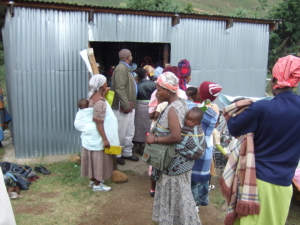 Lesotho is a small landlocked nation in Southern Africa that is rarely in the headlines. The country is facing one of the world’s most severe humanitarian and health crises. Preexisting food insecurity, driven by repeated droughts, crop failures and rising prices, is now colliding with one of the highest HIV rates in the world.
These combined struggles leave families, especially young children, on the brink of survival. Aid cuts from international donors are worsening, forcing organizations like the World Food Programme (WFP) and World Vision to decrease their critical contributions. Without more support, Lesotho’s health crisis risks falling deeper, which could have long-term consequences for its people.
Food Insecurity Collides with HIV
Lesotho’s location in Africa, as well as its climate, makes it very vulnerable to drought. According to the WFP, nearly one in three people face food insecurity during the lean season when harvest numbers are low. Therefore, food prices increase. Families often skip meals, sell their livestock or pull their children out of school to work to cope with these circumstances. These cycles deepen the cycles of poverty.
On top of the food insecurity, Lesotho now has an HIV epidemic. The nation has one of the world’s highest HIV rates, with more than 20% of adults living with the virus. For children, exposure to both HIV and malnutrition creates a deadly combination. If they do not have adequate nutrition, antiretroviral treatment becomes less effective. This leaves the children more prone to infections and reduces their chances of survival.
Clinics across the country are reporting rising numbers of malnourished children who are unable to respond to HIV treatment because their bodies lack the strength. The double burden of food insecurity and HIV is creating an emergency that rarely makes global headlines; however, it devastates families daily.
Aid Cuts and Shrinking Safety Nets
For a long time, international aid programs provided critical support to the country. The WFP’s food distributions and World Vision community outreach programs supported thousands. Recent shifts in global funding, though, have forced cutbacks. The WFP warned in 2023 that it may have to reduce assistance due to shrinking donor contributions. This left tens of thousands without aid. These cuts come when inflation and climate are already straining many households.
Without funding, local programs have been unable to keep up. Families have to walk miles to health centers that no longer stock needed supplements. Those who once relied on emergency food services are left alone.
Innovative Local Solutions
Despite the challenges, Lesotho has developed several initiatives to fight back. One of those efforts is the establishment of nutrition corners in health facilities. The centers provide integrated care from food support to growth monitoring to HIV treatment, all in one place. According to the Elizabeth Glaser Pediatric AIDS Foundation (EGPAF) Lesotho, these facilities have been especially effective for children living with HIV, improving both their nutrition and survival rates.
Another initiative is the use of cash-transfer programs, such as the Emergency Food Assistance Project. Instead of distributing food directly, these programs provide families with money or food vouchers to buy what they need locally. This approach helps households access nutritious meals and supports local farmers and markets.
The Maximum Intervention Programme (MIP) is a government-led partnership backed by the U.N.’s Renewed Efforts Against Child Hunger (REACH). It has made nutrition a national priority. By aligning itself with multiple agencies, it aims to provide food, health, social protection and security in one strategy.
Looking Ahead
Lesotho’s health crisis is not without hope. The solutions are known and are showing progress. Scaling up health and nutrition services, expanding monetary assistance and investing in climate-resilient farming can reduce reliance on unpredictable rainfall. What remains missing is steady international support.
Lesotho may not dominate headlines, but it illustrates the consequences of aid budget cuts on those who need help most. When donors focus elsewhere, vulnerable nations risk being left on their own. In a country where food insecurity and HIV intersect, continued global support is imperative. With sustained commitment, there is still hope for overcoming Lesotho’s health crisis.
– Brody L. Gates
Brody is based in Fort Worth, TX, USA and focuses on Good News and Politics for The Borgen Project.
Photo: Flickr
