Hunger in Portugal
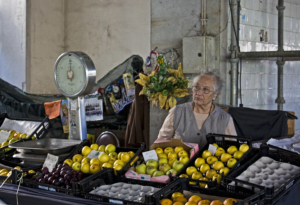 Portugal is widely recognized for its high quality of life, ranking 19th globally according to U.S. News. The country has universal access to clean drinking water, near-universal sanitation, a literacy rate of 97% as of 2021 and a life expectancy nearing 83 years, according to the World Bank. As a member of the European Union and a nation, Portugal is celebrated for its economic stability, vibrant culture and societal progression. But, despite these successes, hunger and food insecurity remain persistent issues that affect thousands of Portuguese families.
Poverty’s Persistence
Portugal’s GDP per capita has risen to around $30,000 as of 2024 (an $8,000 increase since 2014, and unemployment has dropped substantially to 6.4 % as of 2024. These statistics reflect impressive progress compared to a decade ago, when the country was still emerging from a financial crisis that left many residents of Portugal in poverty. However, poverty and food insecurity continue to affect vulnerable groups. In 2023, roughly 16.6 % of the population was at risk of poverty.
The Face of Food Insecurity
Official estimates from Portugal’s National Statistics Institute show that around 4.1 % of the population faces moderate or severe food insecurity. They also report that in 2024, 1.7 % of people reported having felt hungry without having eaten at some point within the 12 months before they were interviewed.
Children in particular are at high risk. Published in 2025, a cross-sectional study was conducted with 4,737 children living in Portugal. The results of the study showed that 13.2 % of children were living in households considered food insecure. Alarmingly, 25.5 % of those households included children who were overweight/obese. This emphasizes the relationship between poverty, poor nutrition and physical health.
Policies and The Future
In recent years, food insecurity has become an increasingly prominent issue both globally and within Portugal. This has prompted many coordinated efforts to ensure that vulnerable populations have sufficient access to nutritious food. Fortunately, Portugal has taken important steps to address food insecurity. Through its participation in the European Union’s Common Agricultural Policy (CAP) 2023-2027, Portugal is investing in sustainable farming, food security and rural development. Social programs and local charities, including food banks, play a vital role in supporting food-insecure families.
One of the largest food banks in Portugal is the Banco Alimentar Contra a Fome (Food Bank Against Hunger). The bank is a nationwide network of 21 nonprofit food banks that fight against food waste and hunger in Portugal. They recover surplus food from producers, retailers, and public donations. Additionally, they hold biannual campaigns and run daily food collection efforts to help support families in need. Amazingly, the food bank collected enough food items to provide about 400,000 people with baskets or prepared meals.
Globally, hunger declined slightly in 2024, yet it is still a pressing issue. Approximately 733 million people face chronic hunger worldwide as of 2023. On paper, Portugal’s hunger statistics appear relatively low compared to global figures. However, for many families, food insecurity is persistent and dominates their lives. With continued efforts, Portugal could further reduce hunger and ensure that all families have access to the nutrition they need.
– Ashton Christo
Ashton is based in Baltimore, MD, USA and focuses on World News for The Borgen Project.
Photo: Flickr
