How the Media Misrepresents Myanmar
How does one remain faithful in the face of death? This is the question many Rohingya Muslims are currently faced with, both in Myanmar and in the refugee camps in surrounding countries to which they have scattered in the past two years. They are trying to survive amid governmental strife, warfare, abuse and trafficking since an acceleration of cultural oppression and threats that started in 2011.
Government military campaigns in Myanmar have caused more than 700,000 individuals to flee to refugee camps in search of safety and stability. While searching for safety and aid, women and children have reported gang rape and murders by military officials, and even exploitation in the countries they reached hoping to find help. Another 100,000 refugees fled the country to escape the inevitable harm of monsoon season. Even as they travel to receive aid, it is possible that they will at least be injured.
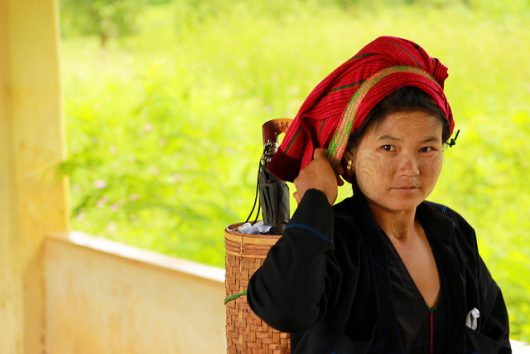
However, featuring this kind of information exclusively in news headlines is how the media misrepresents Myanmar. Citizens of Myanmar are actually living resilient and fulfilling lives with support and aid from humanitarian efforts. They are able to focus their energy on a bright future ahead.
Programs Helping Myanmar Youths and Families
In 2012, with the help of UNICEF, Myanmar began the “Seven Things This Year Initiative,” a project working with mothers and children to promote “key family health practices.” The project encouraged proper planning for each family. As of 2016, this project is being evaluated for sustainability; however, it has already benefited many displaced refugees and expectant mothers.
In 2018, training programs are providing opportunities for successful integration into communities by offering education and vocational training through apps. Residents participating in training can gain skills in business training, basic budgeting, English fundamentals and nutrition safety.
Only focusing on just one part of the population is also how the media misrepresents Myanmar. For example, another population misrepresented or underrepresented by media in Myanmar is the youth within the community. Resiliency training and practice is a priority focus for youth in the education system.
The Myanmar Red Cross Society has more than 44,000 volunteers, 1,300 of whom are active youth members. They assist with planning and participation in programming initiatives which promote safe learning facilities, proper healthcare, water and sanitation intervention, disaster management, school safety plans and exercises, risk reduction and resilience education. By doing this, Myanmar youth are encouraging engagement in the community and empowering future leadership within the country.
The Media Represents Myanmar by Not Reporting on Its Largest City
Focusing on the southern portions of the country, where most of the Rohingya crisis is located, is also how the media misrepresents Myanmar. While that crisis is highly relevant and impacting more than just the southern region, Yangon, which is highly populated and located in the northern part of the country, is currently thriving compared to years past, with a low percentage of poverty (16 percent) and positive record of births, sanitation and adequate nutrition.
Between 2018 and 2022, Myanmar is focusing on citizen’s health and nutrition, sanitation and hygiene, education, child protection, social policy and the monitoring of child rights. This focus will allow for proper access to healthcare, improved quality of life, the promotion of a safe, inclusive, and non-violent community, poverty reduction, recovery from violence and exploitation and establish welfare.
While in the midst of transition throughout the country, resilient Myanmar residents are seeking and finding opportunities that are empowering. Resiliency partnered with wisdom and discernment in their use of technology will light their path and empower their strength.
– Ashley Cooper
Photo: Flickr
