Everything To Know About Hunger in Indonesia
 Indonesia is Southeast Asia’s largest economy and the world’s fourth most populous country, with more than 270 million people living across more than 17,000 islands. Despite this economic strength, the country continues to face serious challenges related to food insecurity. As an upper-middle-income nation, Indonesia has achieved significant growth, yet millions of Indonesians still struggle to access sufficient and nutritious food. More than 23 million people lack reliable access to proper nutrition, and over 20% of children experience stunted growth due to malnutrition. Addressing hunger in Indonesia is therefore essential for protecting public health and ensuring a more secure future for the next generation.
The Current State of Hunger in Indonesia
Indonesia has made significant progress in reducing hunger over the past two decades. World Bank data shows that the prevalence of undernourishment dropped from around 18% in the early 2000s to about 6% by 2018. However, this improvement has slowed in recent years, and slight increases suggest that food insecurity continues to challenge the country.
Child nutrition has also improved, but serious concerns persist. UNICEF reports that the stunting rate among Indonesian children declined from 37.2% in 2013 to 21.5% in 2023. At the same time, the wasting rate has risen slightly, reaching 8.5% in 2023, highlighting the continued vulnerability of many children to malnutrition.
Food insecurity does not affect all regions equally. Official BPS statistics show that undernourishment rates are significantly higher in eastern provinces such as Papua Selatan compared to more developed areas like Java. This reflects the strong rural–urban divide in access to food and nutrition.
Despite overall progress, recent global and economic pressures have affected food security. Rising food prices and the economic impact of the COVID-19 pandemic have made healthy diets increasingly unaffordable for many households, particularly low-income families. These trends indicate that while Indonesia has advanced in the fight against hunger, sustained action remains essential.
What Is Causing Hunger in Indonesia?
A combination of economic and structural factors drive hunger in Indonesia. Although the country has experienced steady economic growth, poverty and inequality continue to limit access to nutritious food for many low-income households.
Rising food prices have also increased food insecurity. According to the FAO’s State of Food Security and Nutrition report, about 43.5% of Indonesians cannot afford a healthy diet, highlighting the economic barriers many families face in accessing nutritious food.
Geography is another key factor shaping hunger in Indonesia. As a country spread across thousands of islands, access to food varies greatly from region to region. In many rural and eastern areas, limited infrastructure and long distances make it harder to obtain affordable staples such as rice and fresh fish, which are central to the Indonesian diet. When transportation is difficult and markets are far away, even basic foods become more expensive and less accessible, increasing the risk of food insecurity.
In addition, climate shocks also threaten food production. Floods, droughts and other extreme weather events regularly disrupt agriculture in Indonesia, affecting crop yields and food supply in vulnerable regions.
Local Realities Behind the Statistics
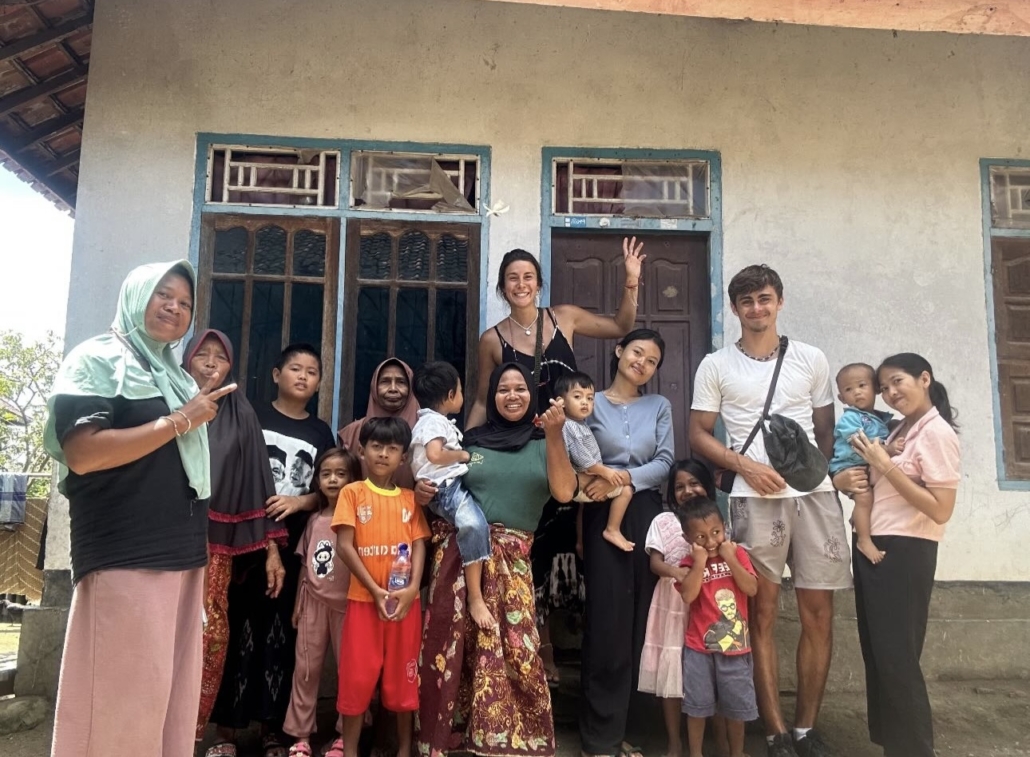
During a visit to Lombok Island, several women told The Borgen Project they earned their income by selling handmade bracelets to tourists. They explained that most of their earnings were used to buy food for their children. One woman shared that her goal was to purchase a small corn field to ensure her children would not go hungry and could continue their education.
Solutions
Indonesia has expanded social protection programs to address food insecurity. Program Keluarga Harapan (PKH), the country’s largest conditional cash transfer initiative, provides financial support to poor households with children and pregnant women. Over the past decade, the program has expanded significantly and now reaches approximately 10 million beneficiary families across Indonesia. These cash transfers help vulnerable households afford food, health care and education, contributing to improved nutrition and poverty reduction.
The World Food Programme (WFP) works with the Indonesian government to strengthen national food security and nutrition systems. Under the World Food Programme Indonesia Country Strategic Plan 2026–2030, WFP provides technical assistance and policy support for the government’s Free Nutritious Meals Programme. The initiative aims to reach more than 80 million people by 2029, helping expand access to nutritious meals while strengthening national food systems and disaster preparedness.
UNICEF also supports Indonesia’s National Nutrition Programme, which focuses on improving nutrition outcomes across the life course. The programme strengthens services for pregnant women, infants and young children while supporting national efforts to address stunting and other forms of malnutrition. A recent UNICEF review of Indonesia’s nutrition programmes highlights progress in improving nutrition systems, while also identifying remaining gaps in implementation and access to services in some regions.
The Food and Agriculture Organization (FAO) also works with Indonesian partners to advance the global goal of Zero Hunger by 2030. Through initiatives such as the “Road to Zero Hunger” campaign launched in Bandung, FAO collaborates with government institutions, universities and civil society to raise awareness about food security and nutrition challenges. The campaign promotes stronger food systems, sustainable agricultural practices and greater public engagement in addressing hunger and malnutrition across the country.
Looking Ahead
Although hunger in Indonesia has declined over the past two decades, inequality, geographic barriers and rising food costs continue to limit access to nutritious food for millions. Expanding social protection programs, strengthening nutrition services and investing in resilient food systems remain essential to ensure progress reaches the most vulnerable communities. Sustained commitment to these efforts will be critical for improving public health and securing long-term food security across the country.
– Elif Oktar
Elif is based in London, UK and focuses on Global Health for The Borgen Project.
Photo: Elif Oktar
