4 Ways To Help the Congo
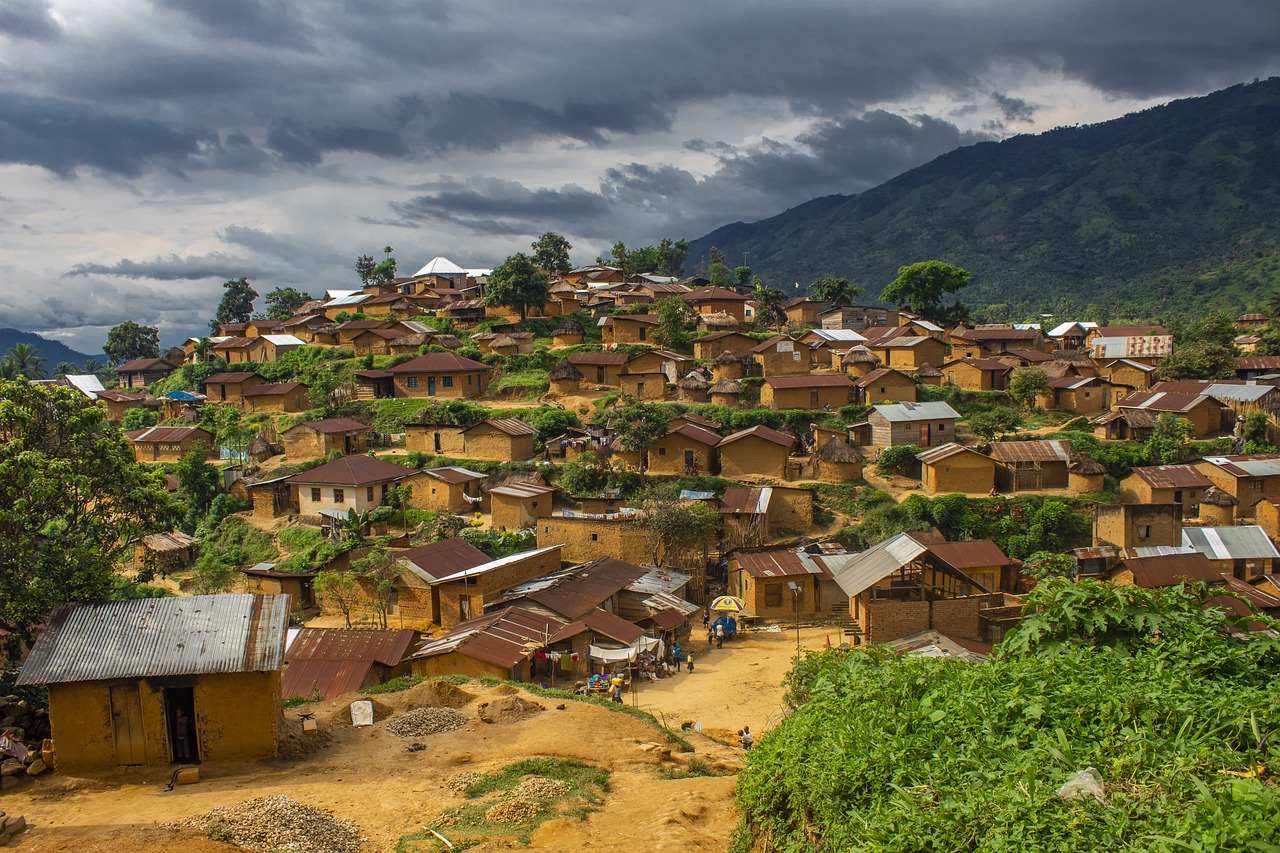 The Democratic Republic of the Congo (DRC), the largest country in Sub-Sahara Africa, is rich in natural resources. Yet, due to ongoing crises and internal conflict, most of its inhabitants have not benefited from this wealth. As recently as 2022, the citizens of the Congo continued to experience severe human rights violations due to the effects of armed conflict. This crisis of conflict has impacted the Congo throughout history and continues to exist even after the end of the 2003 Congo Wars. A study in 2022 shows that around 60 million people still living in the Congo survive off $2.15 a day. This shows severe poverty rates that continue to exist. Here are five ways that the U.S. works to help the Congo.
Health Care
The U.S. continues to provide extraordinary aid to those help people living in the Congo. Over the past 20 years, the U.S. has contributed over $1.7 billion to the Congo to provide health assistance. Health Care aids help the citizens of the DRC fight against infectious diseases such as HIV, Ebola and measles. While this has made a groundbreaking impact on the DRC’s inhabitants, these diseases have not completely disappeared and the country is still fighting against the spread of infectious diseases to this day.
Agriculture
An overreliance on agriculture is expected in a country as rich in natural wealth as the Congo. Agriculture has an impact on the country’s prosperity by employing its inhabitants while providing essential food supplies for families. Agriculture production accounts for 42.5% of the DRC’s gross domestic product by providing food security and sustainable economic development. The U.S. aims to support agricultural success by offering loans to Congolese enterprises. United States Agency for International Development (USAID) has recorded that 70% of the population has been employed in agricultural practices. This is a huge part of the country’s population. However, the issue remains to exist. Only a tiny portion of the land is properly farmed, although a sizable portion of the people are employed in agriculture. This is where USAID comes in. USAID supports farmers to improve cultivated land and food security for its population.
The DRC benefits as a Feed the Future (FTF) country. This means that it is one of a select group of countries that is committed to improving its sustainability in agriculture. USAID assists in improving household income and enabling men and women to participate in the market.
USAID’s work focuses on fostering Congolese women’s empowerment by providing women with the necessary tools to improve the lives of their families. A huge portion of women account for agricultural work within the DRC. Therefore by empowering Congolese women, USAID is significantly contributing to the improvement of family life and nutrition among the poorest parts of the country.
Humanitarian Support
Over 600,000 people were forced to leave their homes in 2022 due to an ongoing conflict crisis. This brings displacement rates to nearly 6 million. This is the highest rate of displacement amongst other African countries and a significant increase from the 5.5 million displaced people in 2021. USAID aims to build the foundations of peace in a country that has suffered a long history of conflict. This is being achieved through supporting community-led efforts to prevent conflict and provide holistic services to survivors of gender-based violence. The goal is to advance peace in the DRC and Do No Harm. USAID continues to provide essentials to those impacted, such as food aid, health care and shelter to those who have been forced to flee their homes due to the crisis of conflict and violence. Thus helping the economy to recover and improve the lives of families across the country.
Education
The DRC’s education system fights to survive against the displacement and poverty caused by ongoing conflict. The government provides a free education scheme that gives thousands of children from low-income families access to a well-rounded primary education.
Teachers and parents battle against an inequality of resources, which favors urban over rural schools. This inadequate provision of school resources causes issues such as overcrowded classrooms and irregular salaries for teachers. Thus making the continuation of certain rural schools a challenge that is faced by teachers, students and parents alike.
This is accompanied by the ongoing threat of armed conflict. Studies show that more than 2 million school-aged children are missing out on education due to the impact of violence and due to the lack of school provisions and equality of resources, the quality of education in some schools remains poor. More than 420 schools were affected by attacks and conflict within eastern and western DRC. Therefore, to help the Congo, protection and resources for school-aged children are needed, to allow them access to real education.
– Éadaoin O’Leary
Photo: Pixabay
