Healthcare in the Dominican Republic
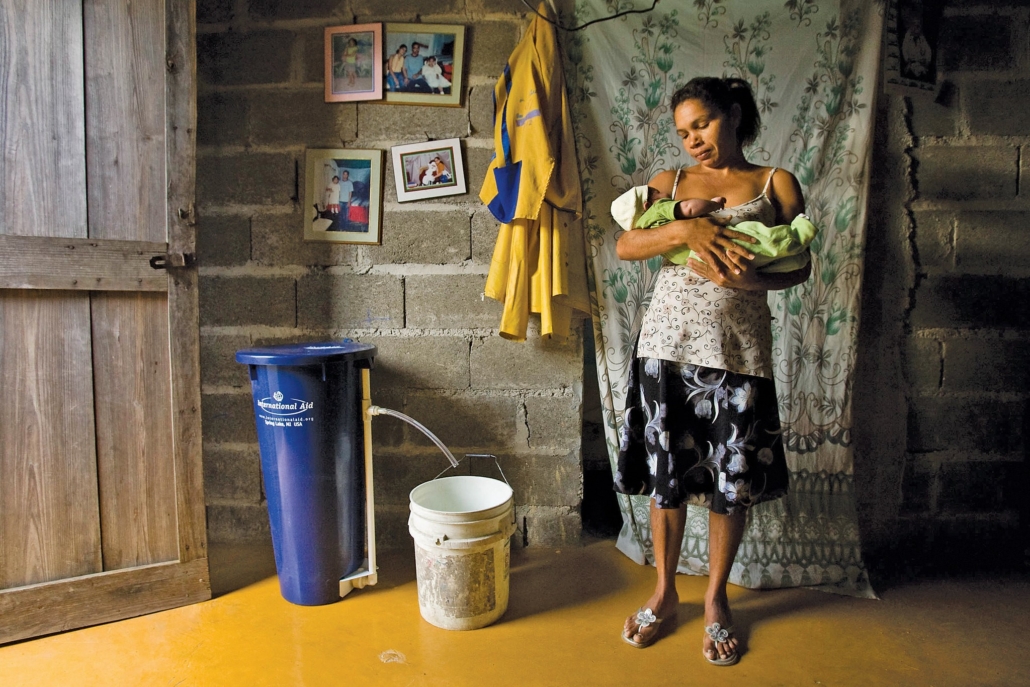
Healthcare in the Dominican Republic is among the most advanced in the Caribbean. Despite noteworthy recent progress, it still requires work to improve.
The Pan American Health Organization (PAHO) defines the healthcare system in the Dominican Republic as a social security model with guidance from the principles of universal coverage, compulsory enrollment, solidarity, comprehensiveness of care, a unified system, free choice and gradual implementation. In 2014, the Dominican Republic adopted a model of care based on the Primary Healthcare (PHC) strategy and the Integrated Health Service Delivery Network.
What is Primary Healthcare?
In 1978, the World Health Organization (WHO) defined the PHC strategy as, “Essential health care based on practical, scientifically sound and socially acceptable methods and technology made universally accessible to individuals and families in the community by means acceptable to them at a cost that the community and the country can afford to maintain at every stage of their development in a spirit of self-reliance and self-determination. It forms an integral part of both countries’ health system of which it is the central function and the main focus of the overall social and economic development of the community. It is the first level of contact of individuals, the family and the community with the national health system, bringing health care as close as possible to where people live and work and constitutes the first element of continuing health care process.”
The features of PHC include:
- Accessibility
- Person-focused preventive and curative care over time
- Patient-oriented comprehension and coordination
- Focus on the community, especially when addressing social determinates of health
The Integrated Health Service Delivery Network
The purpose of the Integrated Health Service Delivery Networks (IHSDNs) is to help in the development of PHC-based health systems, by making a health services delivery that is more accessible, equitable, efficient, of higher technical quality and better fulfills the needs of the citizens.
Integrated health systems networks are the principal operational mechanism of the PHC system. It helps make some of the essential elements of PHC a reality. These elements include universal coverage and access, first contact, comprehensive, integrated and continuing care, appropriate care, optimal organization and management and intersectional care.
In 2015, 65% of the population enrolled in the Family Health Insurance program. Of this group, the subsidized system covered 47.5% and the contributory system covered 52.5%. However, a major gap in the system still exists for a significant portion of the population. According to WHO, 17.6% of the population spend more than 10% of their income on healthcare. It also reported that 4.9% of the population spends more than 25% of their income on healthcare.
In 2011, the PAHO estimated that there were 21.2 doctors and 3.8 nurses per 10,000 people in the Dominican Republic. The National Health Service has 1,450 primary care centers, 1,774 primary care units, 189 specialized health centers including, 13 regional hospitals, 35 provincial hospitals, 122 municipal hospitals and 19 referral hospitals.
Pharmacies’ Role in Healthcare in the Dominican Republic
Pharmacies are abundant in the Dominican Republic with even a small town having as many as 20 pharmacies. Most of these pharmacies will prescribe medications simply by hearing about or seeing the individual’s medical problem.
In 2015, the basic list of essential medications received updates based on WHO’s Model List of Essential Medications. Almost all medications are available over the counter including pain killers, antibiotics, steroids, anti-inflammatory medications and sleeping pills. The only medications that require a prescription are narcotics like morphine. However, some pharmacies will dispense these medications without a prescription even though it is illegal.
The Progress the Dominican Republic Still Needs
The government has implemented a 911 emergency call system. As of right now, it is available from Santo Domingo, east to Boca Chica and west to San Cristobal. It is also available in Santigo and Puerto Plata. It will eventually be available throughout the country.
There is a maternal mortality rate of 92 deaths per 100,000 live births in 2015 in the Dominican Republic, which is alarming in comparison to the 18 deaths per 100,000 live births in the United States. The Dominican Republic also has a mortality rate of 22.9 deaths per 1,000 live births in children under 1 year of age in comparison to a rate of 5.901 deaths per 1,000 live births in the United States.
Other data also shows the need for improvement in healthcare in the Dominican Republic. This includes:
- In 2012, 65% of deaths in children under 1 were due to disorders beginning after birth. Sepsis was one of the top five leading causes of death in children less than 5-years-old. Children under 1-year-old were at even higher risk.
- Even though vaccination rates for children under 1 year of age range from 82% to 95%, reports determined that the Dominican Republic had cases of diphtheria and whooping cough in 2015.
- There was a cholera outbreak in 2011-2012.
- In 2013, estimates determined that the chikungunya virus would infect 539,000 people.
- In 2015, the rate of malaria infection was 1.9 per 100,000.
Even though the Dominican Republic has made an effort to improve its healthcare system, there is still more that it needs to accomplish to improve the system. Moreover, it needs to instigate methods to bring down the mortality rates and lower the incidence of diseases like cholera and malaria.
– Lynn DeJarnette
Photo: Flickr
