Health care Technology in Developing Countries
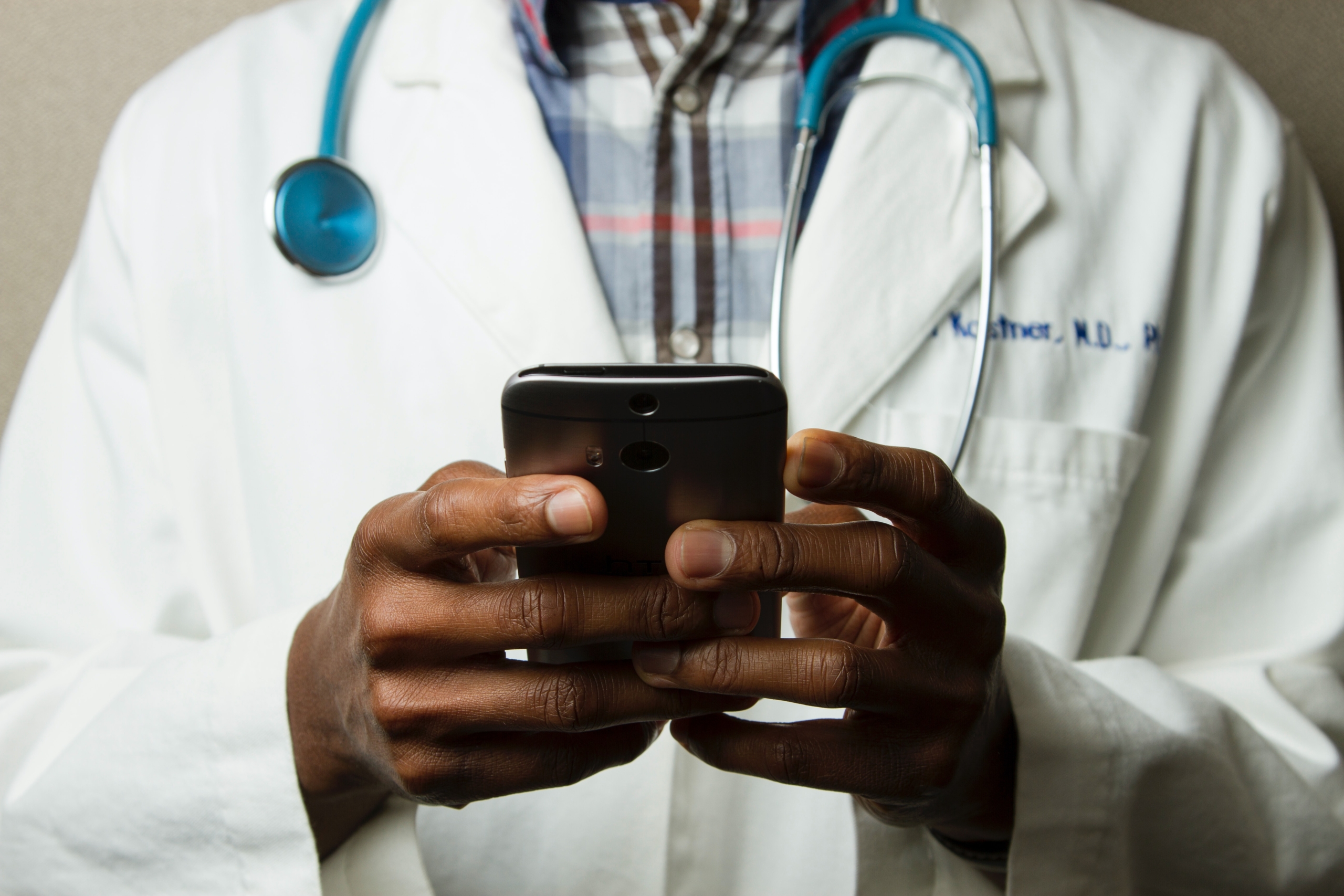 Economic disparities have created many barriers to quality medical services for low-income communities. Innovative technologies are now dismantling these barriers, making health care more accessible and affordable for disadvantaged populations. This article will cover advancements in health care technology in developing countries.
Health Tech: Breaking Distance Barriers
Telemedicine and other health care technology have emerged as game-changers in health care accessibility. Low-income communities often lack nearby health care facilities, forcing residents to travel long distances for medical consultations. Telemedicine platforms enable virtual consultations with health care professionals. Through a simple smartphone or computer, individuals can connect with doctors, nurses or specialists, receiving expert advice without the financial burden of travel expenses. These platforms are particularly beneficial for managing chronic conditions, allowing patients to receive ongoing care remotely.
M-TIBA
Created by a financial tech company in Kenya, M-TIBA is a digital wallet that allows patients to make mobile payments for health care services. The name of the product is special; the “m” stands for mobile, while the word “tiba” means “treatment” in Swahili. The original concept behind M-TIBA was to ensure that patients received health care donations and to encourage its users to save for health care costs. To date, M-TIBA has over 4 million registered users, and its creators boast that claims filed with it are processed in a third of the time of traditional health care claims.
SORMAS
The COVID-19 epidemic proved that being able to monitor the transmission of communicable diseases was an essential part of health care. The Surveillance and Outbreak Response Management and Analysis System (SORMAS) was created via a partnership between the Nigeria Centre for Disease Control and the Helmholtz Centre for Infection Research in Germany. It was invented to survey disease outbreaks and epidemics, enabling epidemiologists to use real-time health data to track diseases. SORMAS is used in countries throughout Africa, Asia and Europe.
MomConnect
The South African National Department of Health started MomConnect to help address disparities in maternal health. The service is free, and it can be downloaded via an app to a cell phone. It helps connect expectant mothers with health resources in their communities. The app helps people register their pregnancies in the public health system and access information about how to maintain their health during pregnancy and after birth. MomConnect was launched in 2014, and by 2017, more than 900,000 had received MomConnect messages. )
Improving access to health care technology in low-income communities helps empower those communities and helps them lead healthier lives. Enhancing access to medical services through telemedicine, mobile apps and other technology helps level the health care playing field. The combination of digital innovation and health care is creating a future where everyone can enjoy the benefits of quality health care.
– Joy Loving
Photo: Unsplash
