• Link to X
  • Link to Facebook
  • Link to Instagram
  • Link to TikTok
  • Link to Youtube
  • About
    • About Us
      • President
      • Board of Directors
      • Board of Advisors
      • Financials
      • Our Methodology
      • Success Tracker
      • Contact
  • Act Now
    • 30 Ways to Help
      • Email Congress
      • Call Congress
      • Volunteer
      • Courses & Certificates
      • Be a Donor
    • Internships
      • In-Office Internships
      • Remote Internships
    • Legislation
      • Politics 101
  • The Blog
  • The Podcast
  • Magazine
  • Donate
  • Click to open the search input field Click to open the search input field Search
  • Menu Menu
Blog - Latest News
Global Poverty

Economic Hardships in Mexico: Wealth and Political Disparities
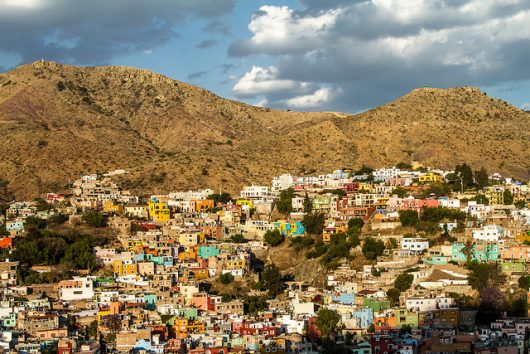

Economic hardships in Mexico have been on the rise for many years. As of 2014, nearly half of Mexicans were living in impoverished states due to increased inequalities among social classes within the country.

Economic disparities are prevalent between Mexico’s upper-class and lower-class citizens. According to research done by Business Insider in conjunction with the Organization for Economic Co-operation and Development (OECD) the country’s richest 10 percent earn more than 30 times what the poorest 10 percent make. This places Mexico as the most unequal of the organization’s 34 countries. In 2014, the bottom 20 percent of workers in Mexico averaged only $12,850 for the year. As a result, these workers were unable to adequately supply the needs of their families.

The large gap in wealth between the rich and the poor has been a long-standing problem, with the current minimum wage rate for lower-income individuals set at $4.50 per day. Because the top one percent owns nearly half of the country’s total wealth, increased economic hardships in Mexico have resulted in longer workdays for lower-class citizens who try and compensate for their extremely low wages.

For example, according to the OECD, the average American works slightly more than 1,700 hours in one year, while the average worker in Mexico works over 2,300 hours. However, despite this substantial increase in the average hours worked per year, it has not been enough to overcome the burden of economic hardships.

Concerned citizens have begun to voice their discontent over the rising wealth of the rich at the expense of the poor. Further, they have urged Congress in Mexico to develop policies and social programs that would help to rectify the situation.

Among the suggested solutions to help in the fight against wealth disparity and resulting poverty include raising the minimum wage amount, tax transparency and changing fiscal policies to provide for better public spending tactics. Furthermore, a petition by Oxfam has urged Congress to “end the vicious cycle of inequality by prioritizing public spending on education, healthcare and other basic services.”

– Lael Pierce

Photo: Flickr

June 9, 2017
Share this entry
  • Share on Facebook
  • Share on X
  • Share on WhatsApp
  • Share on Pinterest
  • Share on LinkedIn
  • Share on Tumblr
  • Share on Vk
  • Share on Reddit
  • Share by Mail
https://borgenproject.org/wp-content/uploads/borgen-project-logo.svg 0 0 Borgen Project https://borgenproject.org/wp-content/uploads/borgen-project-logo.svg Borgen Project2017-06-09 07:30:412024-12-13 17:57:56Economic Hardships in Mexico: Wealth and Political Disparities

Get Smarter

  • Global Poverty 101
  • Global Poverty… The Good News
  • Global Poverty & U.S. Jobs
  • Global Poverty and National Security
  • Innovative Solutions to Poverty
  • Global Poverty & Aid FAQ’s
Search Search

Take Action

  • Call Congress
  • Email Congress
  • Donate
  • 30 Ways to Help
  • Volunteer Ops
  • Internships
  • Courses & Certificates
  • The Podcast
Borgen Project

“The Borgen Project is an incredible nonprofit organization that is addressing poverty and hunger and working towards ending them.”

-The Huffington Post

Inside The Borgen Project

  • Contact
  • About
  • Financials
  • President
  • Board of Directors
  • Board of Advisors

International Links

  • UK Email Parliament
  • UK Donate
  • Canada Email Parliament

Get Smarter

  • Global Poverty 101
  • Global Poverty… The Good News
  • Global Poverty & U.S. Jobs
  • Global Poverty and National Security
  • Innovative Solutions to Poverty
  • Global Poverty & Aid FAQ’s

Ways to Help

  • Call Congress
  • Email Congress
  • Donate
  • 30 Ways to Help
  • Volunteer Ops
  • Internships
  • Courses & Certificates
  • The Podcast
Link to: Most Pervasive Major Diseases in Algeria and their Prevention Link to: Most Pervasive Major Diseases in Algeria and their Prevention Most Pervasive Major Diseases in Algeria and their Prevention Link to: 10 Facts About Refugees in Taiwan Link to: 10 Facts About Refugees in Taiwan 10 Facts About Refugees in Taiwan
Scroll to top Scroll to top Scroll to top