8 Key Ways to Strengthen Global Supply Chains
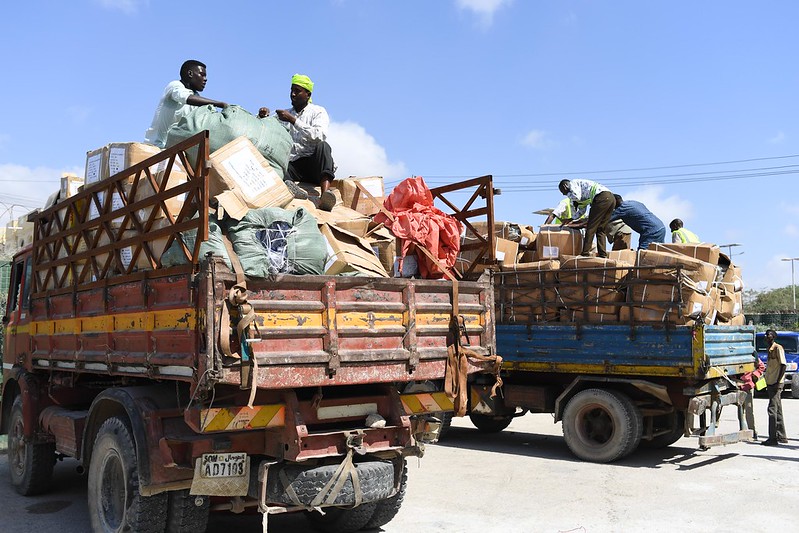 Reliable and consistent global supply chains are essential for the maintenance of life-saving services in some of the world’s hardest-hit developing countries. In fact, they provide the key foundations of sanitation and hygiene, water, education, nutrition and health systems in countries that need the most charitable support.
The United Nations International Children’s Emergency Fund (UNICEF) has committed greater resources to ensure the protection of these crucial supply chains. Hence, working with governments to ensure that all the crucial stages of product selection, strategic procurement and the contracting of logistics services meet as few hindrances as possible.
In addition, UNICEF outlines that post the COVID-19 pandemic, the value of equitable and resilient supply chains is more crucial than ever to ensure access to lifesaving supplies to countries most in need of humanitarian support.
UNICEF Tackle Insecure Supply Chains
In a recent report, UNICEF outlines two key objectives to address the issue:
- To create a collection of resources to deal with the most critical hindrances that directly affect supply chains.
- To analyze key areas affecting supply chain barriers that affect access to services, products and treatments that are essential.
As a result, UNICEF has compiled data based on the knowledge of key organizations and governments to address these two objectives. These include the Bill and Melinda Gates Foundation, the Global Alliance for Vaccines (GAVI), the United States Agency for International Development (USAID), the Global Fund, the African Centre for Disease Control, the World Health Organisation (WHO), United Nations Population Fund (UNFPA) as well as the private sector.
Ways to Strengthen Global Supply Chains
Furthermore, after compiling the experiences and knowledge of its partners, UNICEF has outlined eight key ways to strengthen global supply chains. Also, these recommendations aim to enhance access to essential, high-quality and life-saving services and supplies in the future.
The following are the eight key ways to strengthen global supply chains:
- Foster global sharing partnerships.
- Empower supply chain workforces.
- Enhance private sector involvement, multi-partner coordination and governance.
- Assist local manufacturing supplies and local production, using ‘market shaping’ as a key method. This could include pooled procurement and tools like volume guarantees on products.
- Reform fiscal policies and increase funding for the public financing of supplies.
- Create a strong service delivery system ensuring quality of care for supplies to their end user.
- Ensure the sustainability of social, economic and environmental elements connected to the supply chain.
- Quicker access to reliable data and technology to support decision-making.
Global Supply Chain Improvements
Therefore, UNICEF’s investment and collaboration with the mentioned partners and governments have resulted in the implementation of supply chains through projects such as:
- Nutridash, an online interactive platform that analyzes, stores and captures data from nutritional programs of more than 100 countries.
- The Vaccine Independence Initiative, a $234 million fund accessible to many governments for procuring nutrition and health supplies, benefiting tens of millions of children annually.
- The Traceability and Verification System, developed by the organization to authenticate health products including vaccines to ensure patient safety.
- The Effective Vaccine Management Initiative and Maturity Model, the EVM initiative is a tool that monitors how vaccine supply chains help developing countries improve resource allocation and identify key areas that need development.
- People that Deliver, this is a branch of UNICEF’s supply chain workforce that supports countries in developing the supply chain workforce through its close association with private and public partnership networks.
These initiatives and projects have helped raise $7.2 billion in supplies and services, enhancing the provision for supply storage and the transportation of vaccines, medicines and other critical supplies. In addition, they have also resulted in increased procurement of Ready-to-use Therapeutic Food (RUTF), a crucial item for treating severe wasting in children. Through these efforts, UNICEF met two-thirds of the global demand for RUTF production.
Progress and Promise
Despite facing significant challenges, the strides made in improving child survival rates in developing countries offer a beacon of hope. UNICEF’s call to action for strengthening global supply chains highlights a path forward to addressing critical needs, from vaccine accessibility to combating severe wasting and enhancing sanitation in schools. Furthermore, with concerted efforts and continued focus, the gap in essential services can be bridged, promising a healthier, more secure future for millions of children around the world.
– Domenico Palermo
Photo: Flickr
