How USAID Cuts Impact Global Polio Eradication Efforts
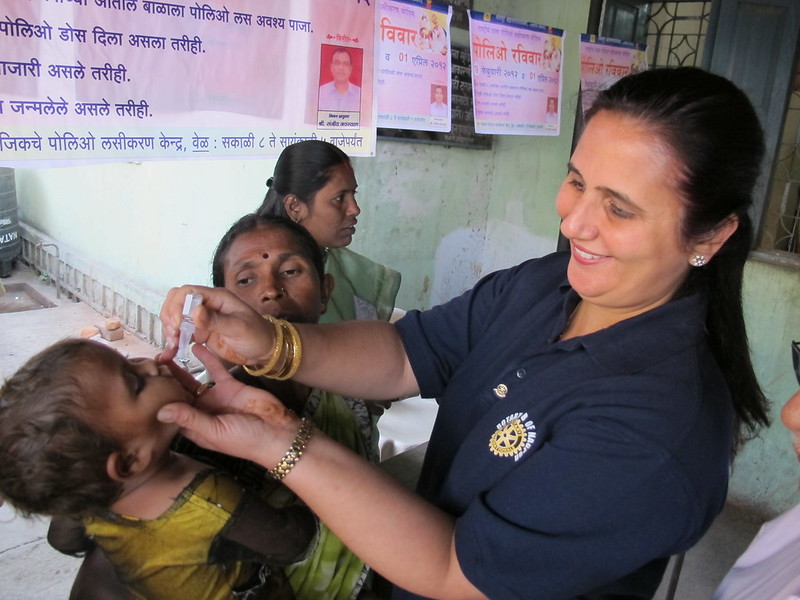 Polio, a highly infectious viral disease, has affected millions of people worldwide. The introduction of the polio vaccine in the 1950s led to an exponential decrease in infection rates. However, access to vaccines remains limited in some countries, keeping the disease circulation alive in certain regions. The Global Polio Eradication Initiative (GPEI) works to vaccinate populations in endemic countries, striving for complete eradication. Recent funding reductions from USAID, a historically significant donor, have raised concerns about the initiative’s progress.
Polio primarily affects children under 5, with about 0.5% of cases leading to paralysis. Though most common in children, unvaccinated individuals of any age remain vulnerable to infection. The disease, once present in more than 120 endemic countries, now persists in only two—Afghanistan and Pakistan. Despite this significant progress, outbreaks of wild poliovirus continue to surface in regions with political instability, such as Gaza, where vaccination campaigns face disruption due to ongoing conflict.
GPEI’s Efforts to Eradicate Polio
The Global Polio Eradication Initiative was launched in 1988 with the goal of eliminating polio worldwide. Since its inception, polio cases have declined by 99%, a testament to the effectiveness of vaccination programs. GPEI focuses on two primary goals: permanently stopping poliovirus transmission in endemic countries and preventing outbreaks in nonendemic regions. GPEI’s strategy includes mass vaccination efforts, political advocacy, community engagement and infection surveillance. By collaborating with governments and organizations such as WHO, CDC, UNICEF and the Gates Foundation, the initiative has successfully reduced polio cases. However, continued progress depends on sustained financial support.
USAID Funding Cuts and Its Impact
GPEI relies on funding from multiple government and nongovernment organizations. The United States (U.S.) has historically contributed $40 billion to the initiative, making USAID a key financial supporter. However, recent reductions in USAID funding have raised concerns about the program’s sustainability. In early 2025, the Trump administration significantly reduced USAID funding, including a $131 million grant for UNICEF and GPEI’s polio immunization efforts. This loss of funding has forced GPEI to extend its five-year strategy to 2029, pushing back its original goal of eradication by three years. While USAID’s funding cut presents challenges, it remains unclear whether the reduction will be permanent. GPEI continues to operate with financial backing from other sources, though long-term funding gaps could slow vaccination efforts.
New Funding Sources and the Future of Polio Eradication
Despite the loss of USAID funding, other nations and organizations have stepped up to support GPEI’s mission. Countries such as Saudi Arabia and the United Arab Emirates (UAE) have pledged $500 million toward polio eradication efforts. Additionally, organizations such as the WHO and the Gates Foundation continue to provide financial support, ensuring that vaccination programs remain operational. Alongside large-scale government contributions, GPEI also relies on small individual donations from supporters committed to eradicating polio within this generation. The organization remains focused on vaccination, public awareness and policy advocacy, working toward its revised goal of eradication by 2029.
Looking Ahead
While USAID’s funding reduction poses obstacles for GPEI, global support for polio eradication remains strong. Ongoing contributions from international donors and nongovernmental organizations continue to drive vaccination efforts, bringing the world closer to a polio-free future. Regardless of the status of USAID funding, GPEI continues its vaccination and eradication efforts with support from international donors and organizations.
– Lizzie Mazzola
Lizzie is based in Raleigh, NC, USA and focuses on Global Health and Politics for The Borgen Project.
Photo: Flickr
