Combating Poverty with the Ghana Social Opportunities Project
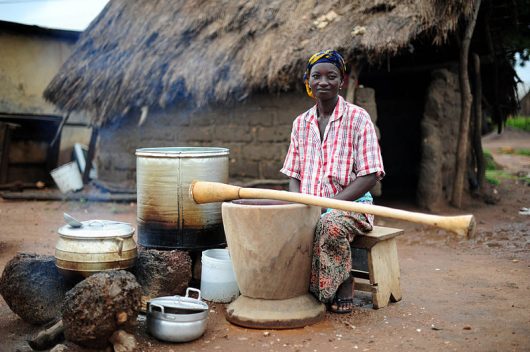 During the past two decades, sustained and inclusive economic growth has enabled Ghana to reduce the number of its citizens living in poverty by half, from 52.6 percent to 21.4 percent, and this number is continuing to drop. Although there is much to celebrate about the recent reduction of those living in poverty, there are still a number of people, primarily in rural areas, that are living in poverty. The Ghana Social Opportunities Project is an initiative headed by the World Bank with the goal of alleviating poverty in these rural areas.
The project is focused on supporting the creation of social protection policy and increasing participation in the Labor Intensive Public Works and the Livelihood Empowerment Against Poverty programs, among other social protection initiatives.
Labor Intensive Public Works Programs
Labor Intensive Public Works programs, a major component of the Ghana Social Opportunities Project, is a social protection tool often used by governments in developing countries to reduce unemployment and alleviate overall poverty.
The programs seek to employ people for physical infrastructure projects using local labor and raw materials. By using local labor instead of machinery for infrastructure projects, more jobs are created and thus more people are employed and earning money to provide for their family.
The successes in Ghanaian communities where Labor Intensive Public Works Programs are at work are evident, as the percentage of people living in poverty has decreased significantly.
Livelihood Empowerment Against Poverty Programs
Livelihood Empowerment Against Poverty programs, better known as LEAP programs, are another major component of the Ghana Social Opportunities Project.
First launched in 2008, LEAP programs were adopted by Ghana’s government with the help of the World Bank. The programs aim to alleviate short-term poverty while encouraging long-term human capital development. LEAP programs provide cash and health insurance to poor households across the country. Currently, there are 90,785 households that are being paid through LEAP programs.
Additionally, LEAP is set to launch a new initiative this month called LEAP 1000. This initiative targets extremely poor households and is concentrated in Ghana’s northern and upper east regions.
LEAP programs are one way the government is working with international aid organizations to solve issues of poverty on a localized, household level. Because of the cash benefits LEAP communities receive, many communities are experiencing a turnaround and poverty reduction in rural areas is catching up to the rest of the country.
Continued Growth
The distribution of wealth, particularly between rural and urban areas, is the main focus for many developing countries. Much of Ghana’s economic growth has come from the migration of people to Ghana’s cities. Opportunities exist in urban areas that usually do not exist in rural areas; this is one reason for the unequal distribution of wealth among Ghana’s population.
Because Ghana has recently benefited from prolonged growth for a long period of time, the country’s challenge is distributing this growth among its entire population. This can be achieved through infrastructure transformation, the emergence of a more specialized and skilled labor force and an increase in Ghana’s geographically mobility. By continuing to focus on these areas, Ghana can ensure that this development will keep expanding and benefit all of its citizens.
– Sonja Flancher
Photo: Wikimedia Commons
