Economic Development and Gender Equality in Croatia
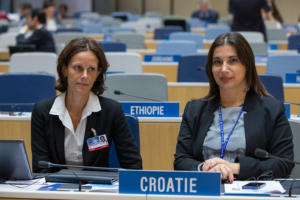 Croatia is a country with a strong tourism sector. This makes the country an ideal place for European trade and the ultimate tourist location, with the Adriatic Coast attracting millions of visitors annually. It has also been a member of the European Union (EU) since 2013.
Although Croatia provides universal health care and public education, social inequalities persist, especially between people who live in rural and urban areas. Women in Croatia often face underrepresentation in leadership, wage gaps and limited job opportunities.
Women in the Workforce of Croatia
In the past decade, the labor market for Croatian women has improved significantly, with many indicators nearing EU averages. As of 2023, only 19.4% of women in Croatia aged 15–24 were employed, compared to an EU unemployment rate of about 33% for the same age group. Among women in the later stages of their careers, the employment-to-population ratio was 47.5%, below the EU average of 58.0%.
There is significant pressure for Croatian women, especially those in rural areas, to conform to traditional gender norms; family and caregiving responsibilities primarily fall on them. Combined with the fact that Croatian women are more likely to work in nonstandard forms of employment and earn less than men, this remains a major factor in the gender employment gap. As of 2023, more than 1.7 million people were active in Croatia’s labor market, with the employment rate at 62.1% for women and 69.4% for men.
Croatian women are making waves in the job market, dominating fields like education, entrepreneurship and services. Notable examples include:
- Danijela Kleskovic, named Women Entrepreneur of the Year 2024 in Dubrovnik.
- Hajdi Cenar, CEO of Airt (a deep-tech startup) and an active figure in startup networks and the Croatian AI scene.
- Michela Magas, awarded Innovator of the Year for her contributions to music technology solutions.
Gender Equality Strategy
The EU Gender Equality Strategy is a program implemented from 2020 to 2025, aiming to make Europe “gender-equal.” Its key objectives include:
- Challenging gender stereotypes.
- Ending gender-based violence.
- Achieving equal participation across different sectors of the economy.
- Closing gender gaps in the labor market.
- Addressing the gender pay and pension gaps.
The program also focuses on boosting leadership, along with combating gender-based violence and protecting and supporting victims. In Croatia, gender equality is first guaranteed under the Constitution of the Republic of Croatia and then further discussed in the Gender Equality Act.
The U.N. Women’s Regional Office for Europe and Central Asia has introduced several initiatives to advance gender equality across the region, aiming to address discrimination, poverty and exploitation faced by women. One such initiative is the Women’s Entrepreneurial Expo, launched in 2021 in partnership with the European Bank for Reconstruction and Development.
The Expo has raised awareness of women’s achievements in entrepreneurship while fostering a vibrant community where women support one another. It has helped entrepreneurs build relationships, engage in peer learning, network, collaborate and explore opportunities for business growth. The initiative highlights women-led enterprises and promotes inclusive markets that empower and sustain women entrepreneurs.
Conclusion
Croatia’s social progress and economic growth are closely linked to the participation of its women in the workforce. While it has made significant strides in health care access, education and EU integration, the gender gap persists and limits women’s economic potential.
For Croatian women, closing the gender gap is crucial, as gender equality brings significant financial benefits. It drives community development, fosters innovation and boosts GDP by increasing the total value of goods and services. Advancing gender equality would empower women and contribute to broader poverty reduction and sustainable development.
By promoting women’s entrepreneurship and supporting policies that close wage disparities, Croatia can tap into the full potential of its population. This ensures that women are not just participants, but active leaders in shaping the nation’s economic future.
– Madyn Lewis
Madyn is based in Chicago, IL, USA and focuses on Good News and Global Health for The Borgen Project.
Photo: Flickr
