Mass Registration Drive for Foundational IDs in Somalia
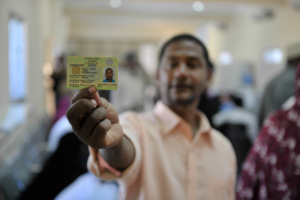 On August 18, 2025, Somalia’s National Identification and Registration Authority (NIRA) launched a pilot mass registration campaign for national IDs in two districts of Shangani and Boondheer. This campaign is part of a broader series of reforms by the Federal Government of Somalia (FGS) to support sustainable economic and social development nationwide. By increasing ID ownership, this initiative aims to help millions of Somalis gain access to critical services such as banking, education and government programs that were previously unavailable to them.
The Importance of IDs in Somalia
Somalia, officially the Federal Republic of Somalia, is a country located in the Horn of Africa. Like many countries in that region, Somalia has endured widespread poverty caused by years of drought, famine, conflict and institutional instability. In 2022, more than half of Somalia’s population lived below the national poverty line, while three-quarters experienced non-monetary poverty. Somalia’s nomadic population is especially affected, with approximately three-quarters of nomads living below the poverty line and nearly all experiencing non-monetary poverty.
Despite rapid urbanization, Somalia lags behind other countries with similar income levels in labor force participation and educational access. One major reason for this is Somalia’s low rate of citizen ID possession. According to the 2022 Somali Integrated Household Budget Survey, fewer than 16% of Somalis had some form of government-issued ID.
Foundational IDs are essential for accessing and facilitating multiple private and public services, including:
- Opening bank accounts
- Sending and receiving mobile money
- Accessing government social protection and benefit programs
- Applying for employment
- Obtaining a driver’s license
- Enrolling in school
- Activating mobile phone or SIM services
- Domestic and international travel
This same survey found that while most Somalis lack a foundational ID, the vast majority recognize their value and want one.
Challenges to ID Registration
Expanding ID coverage across Somalia presents multiple challenges. Despite recent rapid urbanization, Somalia’s population still remains widely dispersed. Many Somalis live in remote or rural areas, lead nomadic lifestyles or are refugees, returnees or internally displaced persons, which makes it challenging to reach unregistered individuals. Additionally, Somalia’s strong oral tradition and use of various minority languages and dialects create significant communication barriers during outreach and enrollment efforts.
Social norms also play a major role in limiting access to foundational IDs in Somalia. In particular, restrictive cultural practices often hinder women’s participation in public and economic life, which makes it more difficult for them to register or benefit from services that require IDs. Literacy levels in Somalia are also low, estimated at just 54% for people aged 15 and older, with women and youth disproportionately affected. Years of conflict and instability have disrupted education, especially for younger generations.
Security concerns further complicate registration efforts. Many Somalis express wariness toward privacy breaches or surveillance, particularly from hostile groups that may attempt to undermine the digital ID system. These risks create mistrust and cause many individuals to hesitate when seeking out a foundational ID in Somalia.
Current Steps Toward Mass Registration
To address these challenges, earlier this year, the NIRA opened multiple new registration centers in the districts of Shingani and Mogadishu. It aims to increase access to foundational IDs in Somalia. It has deployed several FGS representatives to every district to help with registration. Additionally, the NIRA created a “one-window operation” system, consolidating all necessary steps for obtaining an ID into a single and convenient service point, streamlining services and improving the citizen experience.
Inclusivity and data protection are also a core focus of the pilot program to encourage those without IDs to register. The Ministry of Finance’s Digital ID Inclusive Enrollment and Outreach Strategy instructs that at least 50% of the first one million registrants should be women. Additionally, the FGS has committed to following the United Nations’ Personal Data Protection and Privacy Principles to ensure that registrants’ rights, privacy and data remain secure.
Somalis will have the option to receive their ID in physical, digital or printed certificate formats, further increasing accessibility and adaptability. The NIRA has set the goal to register all 15 million citizens by the end of 2029.
IDs as a Way to Poverty Alleviation and Economic Growth
Expanding foundational IDs in Somalia will facilitate financial inclusion for many, particularly for women and offer a pathway toward economic independence. Mass ID possession will also strengthen national security systems by enabling more effective identity verification, helping to mitigate money laundering and terrorist financing risks and reducing fraud.
For service providers, widespread ID possession improves the ability to identify beneficiaries, eliminate duplication, reduce waste and both improve existing services and offer new ones. Moreover, the digital infrastructure supporting the ID system will enable innovation, drive private sector growth, create new industries and generate more and better jobs.
– Dylan Kretchmar
Dylan is based in Granville, OH, USA and focuses on Good News and Technology for The Borgen Project.
Photo: Flickr
