Five Facts about Mental Health in Nigeria
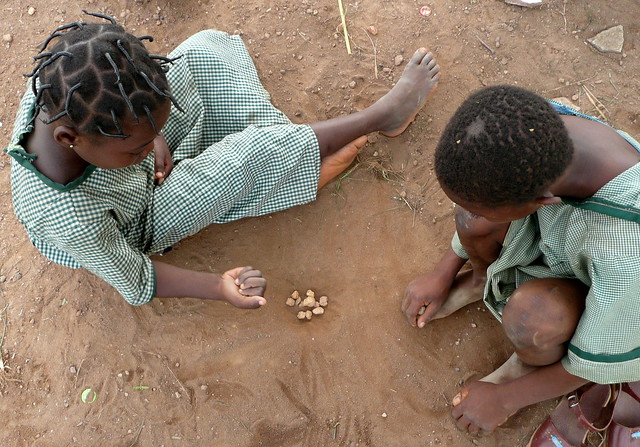 Nigeria, Africa’s most populated country, is having a mental health crisis. Many developing nations fall prey to mental health traps, and this West African country is no different. Developing nations spend too little, if any, resources on mental healthcare, and their nation’s population suffers because of it. Healthcare in Nigeria, especially for those with mental health issues, is poorly managed, underfunded and outdated. Here are five facts about mental health in Nigeria.
Five Facts about Mental Health in Nigeria
- With a population of 181 million, it is estimated that as much as 30 percent of the population suffers from a mental illness. This means that more than 54 million people are dealing with mental illness with little to no help. In comparison, the Center for Disease Control estimates that 54 million is the same number of people who are diagnosed with arthritis in the United States.
- In Nigeria, fewer than 10 percent of those battling mental illness have access to mental healthcare. Access is mainly limited to cities, leaving the rural areas without resources for psychiatric care. Since half of the population of Nigeria live in rural areas, those people do not have access to mental healthcare. Those people are turning to self-medication, self-diagnosis and misunderstanding or denial of their symptoms. Many of those without help are children and adolescents.
- There has not been an update to the laws regarding mental health in Nigeria since 1958. These laws are outdated and contradict decades of mental health research. This is how it is possible for the Nigerian government to spend only 4 percent of its annual budget on healthcare.
- Depression is the most common illness that affects mental health. In a global survey, Nigeria ranked 15 in the number of suicides per year. In another survey, Nigeria was ranked the most depressed country in Africa. Despite the government’s inability to manage mental health in Nigeria, there is hope.
- MANI, or the Mentally Aware Nigeria Initiative, is the largest and most successful NGO fighting mental illness in Nigeria. This group focuses on ending the negative stigma surrounding mental health in order to increase the demand and the resources for psychiatric care. MANI has been successful since its inception in 2016 by using the internet and social media to spread awareness as well as providing a suicide and distress hotline.
MANI has grown its following from 500 to more than 20,000 Nigerians, spreading the word across the country about the free mental health services that it offers. MANI is providing an important resource for mental health in Nigeria, but until NGOs like MANI gain more traction, those struggling with a mental illness will continue to find a lack of support and continued opposition to changing laws surround mental healthcare.
– Kathryn Moffet
Photo: Flickr
