Five Diseases That Thrive in Poor Sanitation
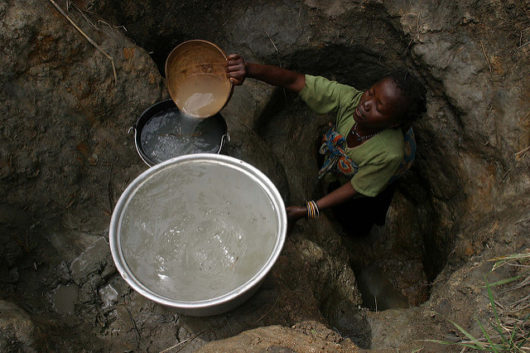
Around 4 billion people in the world lack access to basic sanitation facilities like toilets or latrines and nearly 900 million people still defecate in the open. In addition, USAID estimates that 2.1 billion people currently do not have access to safe drinking water. These dismal conditions pose serious health hazards to the men, women and children living in these communities. Without toilets and latrines to separate human waste from living conditions and water sources, bacteria and virus are easily spread through food, water and direct human contact with waste.
World Health Organization (WHO) estimates that 4 percent of all deaths worldwide are the result of waterborne diseases like diarrhea, cholera, dysentery, typhoid and polio that thrive in unimproved sanitation conditions. This might not sound like a high number, but when considering that these diseases can be relatively easily prevented with inexpensive sanitation and potable water solutions, this percentage sounds absurd. The following list of five waterborne diseases that thrive in poor sanitation provides a glimpse of what is at stake when communities are devoid of proper water, sanitation and hygiene infrastructure.
Five Waterborne Diseases that Thrive in Poor Sanitation
- Diarrhea causes approximately 480,000 childhood deaths each year. This condition is linked to several viruses, bacteria and protozoans and ultimately depletes a person of water and electrolytes which, for many without oral rehydration solution, leads to death. One of the most important factors in eliminating diarrheal deaths, next to proper sanitation facilities, is handwashing. Something so simple can save lives and stop the cycle of diarrhea.
- Cholera is not just a disease from the pages of a history book, it is currently endemic in 51 countries in the world. It is unknown precisely how many deaths are directly the result of this waterborne disease, but WHO estimates that cholera kills from 21,000 to 143, 000 on a yearly basis. Contact with waste from an infected individual either directly or through food and water perpetuates the cycle of infection at an alarming rate. Proper sanitation is currently the first line of defense needed to curb this disease.
- Dysentery can be caused by either bacteria or an amoeba and presents an infection of the intestines. Fortunately, dysentery is usually cleared up on its own without treatment. However, this disease can be easily spread throughout communities without a system to separate waste from food and water.
- From 11 to 20 million people are infected with typhoid fever every year, causing up to 161,000 deaths on yearly basis. Typhoid fever is a life-threatening infection caused by bacteria Salmonella Typhi through contaminated food or water and sometimes from direct contact with someone who is infected. Unlike many waterborne diseases, antibiotics and new vaccines can provide treatment and limited immunity. Yet, without proper water, sanitation and hygiene typhoid infection will persist and antibiotic-immune typhoid will spread which will make treatment of the disease more complicated.
- Polio transmission has significantly decreased over the past 30 years thanks to aggressive, worldwide immunization. Still, the threat of infection continues to spread as a direct result of poor sanitation. Poliovirus is spread when humans come into contact with the virus from human excreta or poliovirus that survives in the wild. Polio is close to being eradicated and providing sanitation to the areas where the disease persists is imperative if the world hopes to one-day be polio-free.
Strategies to Eradicate Waterborne Diseases
Efforts to control these five waterborne diseases that thrive in poor sanitation come from both government and international aid organizations. There is also a concerted effort to implement strategy and resources to address the need for clean water and sanitation.
On the strategy front, a 2013 call to action from the U.N. Deputy Secretary-General on sanitation that included the elimination of open defecation by 2025, the sixth Sustainable Development Goal that aims ensure clean water and sanitation for all as well as numerous global guidelines and action plans for water and waste management set forth by WHO, UNICEF and partners are paving the way for large-scale change.
Meanwhile, in terms of providing resources, some examples include USAID’s country-based programs between 2012 and 2017 that supplied potable water to 12.2 million people worldwide. Numerous companies are partnering with large development organizations to develop their own campaigns or are developing products like LifeStraw, Life Sack and PeePoople that provide immediate potable water and sanitation solutions to millions around the world. These examples, in addition to new vaccines, antibiotics and other disease-specific campaigns are working together to eliminate the threats posed by unimproved sanitation and to eradicate waterborne diseased that are taking the lives of millions of people across the globe.
– Sarah Fodero
Photo: Flickr
