Fiji’s Coral Restoration Economy Reducing Poverty
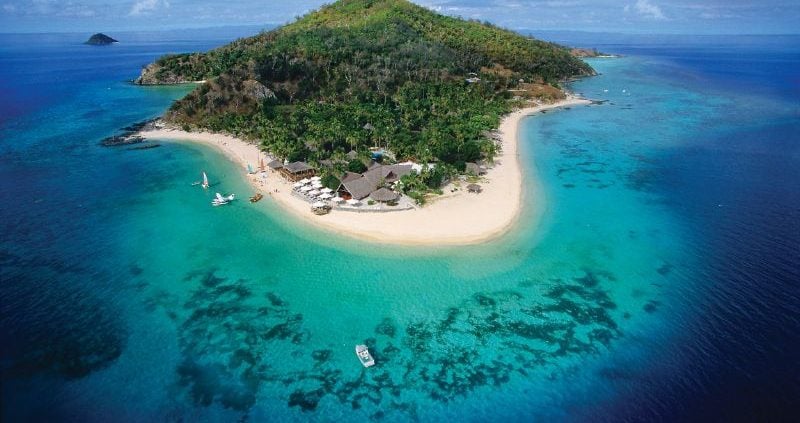 Healthy coral reefs are more than environmental assets in Fiji; they are economic lifelines for thousands of families. People, the environment and cultural heritage are deeply interconnected, but the changing climate, overfishing, coastal development and pollution are putting pressure on reefs that support food security, tourism, fisheries and local economies.
The stakes are particularly high for people living in poverty. According to the Asian Development Bank, 29.9% of Fiji’s population lived below the national poverty line in 2019. For low-income coastal households, a decline in reef health can mean fewer fish to catch, less income from fishing and tourism, greater exposure to storms and coastal erosion. These households often have fewer financial resources and fewer alternative livelihoods to fall back on when marine resources decline.
Fiji is responding by developing what can be described as a coral restoration economy: an approach that treats healthy reefs as economic infrastructure and invests in businesses and conservation projects that protect them. The goal is not simply to restore ecosystems, but to create jobs, strengthen food security, diversify incomes and make coastal communities more resilient.
Why Coral Reefs Matter to Communities Living in Poverty
Coral reefs are closely tied to Fiji’s food supply and livelihoods. Island communities obtain about 75% of their dietary protein from the ocean, while small-scale fishing provides food and income for coastal households. Reefs also support tourism and protect communities, infrastructure and farmland from storms and erosion.
When coral ecosystems deteriorate, fish habitat can decline, reducing catches and making fishing less reliable. Tourism businesses can also lose income when reefs become less attractive to visitors. For households already living on limited incomes, these losses can mean reduced access to food, lower earnings and greater financial insecurity.
The connection between reef health and poverty is particularly important because many coastal households depend on several benefits from the same ecosystem. A healthy reef can provide food for a family, income from fishing and tourism, and protection from coastal hazards. Losing those services simultaneously can leave vulnerable households with few alternatives.
How Fiji’s Coral Restoration Economy Is Creating Jobs
Investing in coral reefs can create employment in conservation, tourism, fisheries, agriculture and other parts of the blue economy. The Global Fund for Coral Reefs (GFCR) and the United Nations (U.N.) Joint Sustainable Development Goals (SDG) Fund back Fiji’s Investing in Coral Reefs and the Blue Economy program, which uses blended finance to fund reef-positive businesses and sustainable livelihoods.
The program has set targets including hundreds of new jobs, benefits for tens of thousands of people and improved management of coral reef ecosystems. These are projected impacts, not outcomes the program has already achieved.
One example is Beqa Adventure Divers, which works with Galoa Village around Fiji’s Shark Reef Marine Reserve. The company employs local villagers as commercial divers and supports marine conservation, while a reserve levy from dive customers provides a recurring income for the village. The United Nations Development Programme (UNDP) reports that fish populations have increased within the reserve and neighboring reefs have experienced increased fishing yields.
Beqa Adventure Divers also reports contributing more than 500,000 Fijian dollars (about $220,000) directly to grassroots communities and training more than 50 diving professionals. Its youth program has helped school leavers develop skills for employment in the tourism industry.
Investing in Reef-Positive Businesses
Fiji’s coral restoration economy extends beyond tourism. GFCR-supported businesses are addressing the causes of reef degradation while generating commercial activity.
Fertile Factory & Co., for example, is developing a natural fertilizer from green waste and manure to reduce reliance on synthetic fertilizers and agricultural runoff that can damage reefs. Mango Fish is developing land-based aquaculture to increase domestic fish supplies while reducing pressure on coral reefs, with revenue supporting coral gene banks and locally managed marine areas.
The financing model aims to attract further investment. The Joint SDG Fund program has allocated about $5.5 million alongside approximately $4.7 million in co-financing to leverage up to $50 million in additional investment.
Lessons for Other Countries
Fiji’s experience shows that conservation can deliver economic benefits when local communities have a direct interest in protecting natural resources. Indonesia and the Philippines are developing similar approaches through ecotourism, sustainable aquaculture, marine protected areas and other reef-positive enterprises.
Coral restoration alone cannot eliminate poverty, but Fiji shows how environmental investment can address several development challenges at once. For other coastal nations facing changes in the climate and persistent poverty, the lesson is clear: protecting nature does not have to compete with economic development. When investment centers on the people who depend on ecosystems, healthy reefs can become the foundation for stronger and more resilient communities.
– Anna Morin
Anna is based in Fairfield, CT, USA and focuses on Good News and Politics for The Borgen Project.
Photo: Flickr
