UAE Sends Aid To Help in Fight Against Cholera in Chad
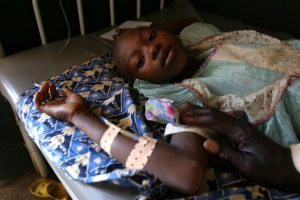 Since the start of 2025, more than 390,000 cases of cholera have been reported across 31 countries. At least 4,322 of those cases have been fatal. On paper, these numbers can be hard to grasp.
However, to put them in perspective, the number of infections is nearly four times the capacity of Michigan Stadium, the largest stadium in the U.S. The death toll is equally staggering, approaching one and a half times the number of lives lost in the September 11 attacks.
What is Cholera?
Cholera is a bacterial disease that causes severe diarrhea. According to the World Health Organization (WHO), mild cholera cases can be easily treated with oral rehydration solutions, which replace lost fluids and electrolytes. More extreme cases may require intravenous fluids and antibiotics. Cholera can be fatal if not treated quickly, though if caught in time, treatment is very effective.
Cholera is a waterborne disease, meaning it is primarily spread through contaminated water sources. This fact is particularly sobering in Chad, where only 52% of the population can access clean drinking water. The situation is even more dire in rural areas, where that number drops to just 43.8%.
Cholera in Chad
This global outbreak has hit Chad, a country in north-central Africa, especially hard. Chad has a population of more than 19 million, with 44.8% living on an income below the national poverty line. From July 13 to August 19, Chad recorded 776 cholera cases and 53 deaths, with a case fatality rate of 6.8%.
The disease is believed to have entered Chad from its eastern neighbor, Sudan. Since April 2023, Sudan has been gripped by a violent civil war that has devastated the country. According to the United Nations (U.N.), the ongoing conflict has triggered a massive refugee crisis, forcing approximately 1.2 million Sudanese to flee across the border into Chad in search of safety and stability.
The cholera outbreak has been further worsened by these cross-border movements and the instability caused by the war. Armed conflict often exacerbates disease spread, making it essential to focus on this region now to prevent outbreaks and further human suffering.
UAE Involvement
The United Arab Emirates (UAE) is a small but wealthy country on the Arabian Peninsula. In August 2025, its government sent 30 tons of lifesaving medical supplies to Chad to combat the cholera outbreak.
Dr. Tareq Ahmed Al Ameri, the chairman of the UAE Aid Agency, confirmed that Emirati President Mohamed bin Zayed Al Nahyan’s priority is to continue the country’s “international humanitarian commitment to address health challenges wherever they arise.”
In 2025 alone, the UAE has distributed more than $80 million in health-related aid worldwide, with the primary beneficiaries in West Asia and Africa.
Conclusion
Efforts to contain cholera in Chad are critical. The UAE’s contribution is a meaningful step in the fight against cholera, offering critical relief to one of the regions hit hardest by the outbreak. However, millions remain at risk due to limited access to clean water, basic health care and humanitarian support.
– William Brentani
William is based in San Francisco, CA and focuses on Global Health for The Borgen Project.
Photo: Flickr
