10 Facts About Refugees in Malawi
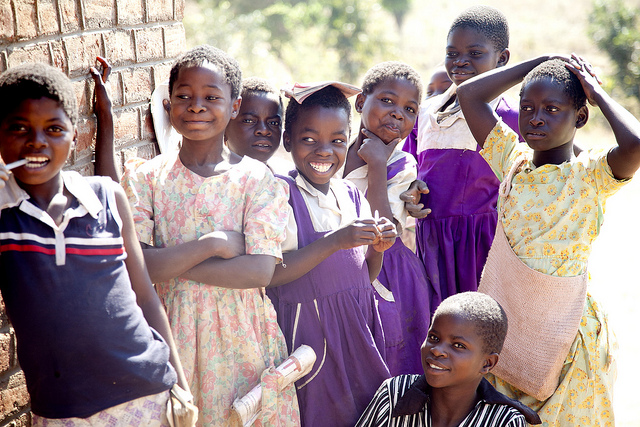
Situated in southeastern Africa, Malawi is landlocked between Mozambique, Tanzania and Zambia. Over the last few decades, this largely agrarian nation experienced turbulent times. Despite inflation, corruption, HIV/AIDS and underdevelopment, Malawians are tenacious and remain incredibly friendly people. Here are 10 facts about refugees in Malawi:
- There are two camps for refugees in Malawi: Luwani (in the south) and Dzaleka (to the north). Luwani was reopened by the Malawian government in March 2016 to cope with refugees from Mozambique in the wake of conflicts between the government and opposition groups.
- At the end of March of this year, 3,073 Mozambican nationals who fled the Tete Province resided in the southern Luwani camp, according to the U.N. Office for the Coordination of Humanitarian Affairs (OCHA). This was a reduction of 382 refugees in Malawi from the end of February.
- The Dzaleka encampment, near Malawi’s capital Lilongwe, houses refugees and asylum-seekers from Burundi, the Democratic Republic of Congo, Ethiopia, Rwanda and Somalia. Most stay a few weeks before heading to South Africa.
- In a March 2017 press release, the UNHCR officially claimed the “Dzaleka refugee camp, originally built for a population of some 9,000 people now has more than tripled in size to nearly 28,000 people.”
- According to Monique Ekoko, UNHCR’s Representative to Malawi, “The new arrivals of refugees in Malawi has been at a steady rate of between 400 to 700 people per month over the past two years.”
- More than one million Mozambican refugees fled to the Luwani Camp during the nation’s civil war from 1977 to 1992.
- Due to weather-related events, the Malawi Vulnerability Assessment Committee (MVAC) suggests that 39 percent of the population (6,491,847 people out of a total population of 16,832,910) will not receive the minimum food requirement for 2016 and 2017. This is an increase of 129 percent since the previous year, a fact which makes it difficult to feed increasing numbers of refugees in Malawi.
- Mozambican officials pressure the Malawian government to refrain from recognizing every individual who crosses the nation’s borders as a refugee.
- Malaria, water shortages, dwindling food rations and respiratory infections are rampant in the encampments. Without proper funding, these and many other problems will persist.
- The Dzaleka camp’s health center serves a combination of 65,000 refugees and Malawians. Nearly 60 percent of the individuals cared for are Malawians.
The pressing problem of food insecurity – due to unpredictable weather and rising food prices – will be a major hurdle in the region’s recovery. Among its key planning figures for 2017, the U.N. expects to distribute an average of 2,100 calories to each refugee in Malawi and construct 920 latrines in the Dzaleka camp to meet sanitation standards. To reach long-term goals of peace and security, the UNHCR cites a 30 percent primary school enrollment figure for refugee children. With help of the international community, these activities should improve the lives of individuals in Malawi and promote regional prosperity.
— JG Federman
Photo: Flickr
