Elderly Poverty in Togo: The Fight for Dignity and Support
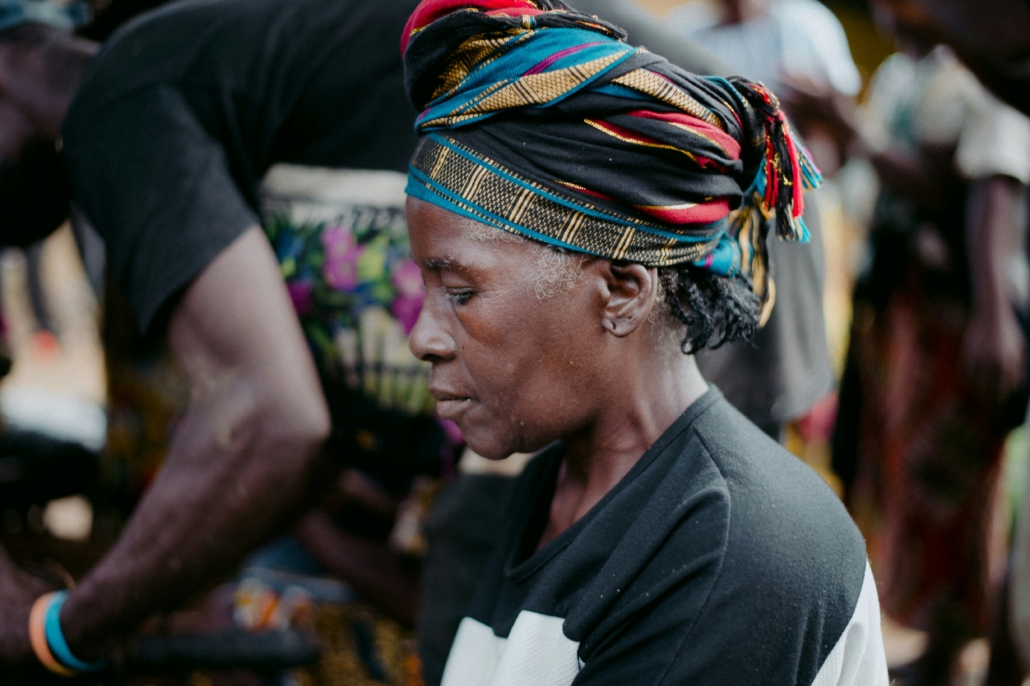 Elderly poverty in Togo is a serious and often overlooked issue. Public discussions usually center on youth employment or general health, leaving out many older citizens, especially those who worked in informal jobs without retirement benefits. This article looks at the institutional and social factors behind elderly poverty in Togo and shows how reforms and local efforts can help restore dignity and support for this vulnerable group.
The Structural Drivers of Exclusion
The main reason many older people are poor is that the formal social security system leaves them out. More than 86% of Togolese workers are in the informal sector, and they do not have access to the National Social Security Fund (CNSS) retirement system. As a result, only about 20% of elderly people get a formal pension. This means that almost four out of five older citizens do not have a secure income in retirement. The problem is even worse in rural areas, where nearly 59% of people live in poverty.
Health Care Crisis: A Universal Gap
The income crisis is made worse by major problems in health care. More than 91% of elderly people do not have reliable health insurance. This lack of insurance significantly affects their overall well-being, contributing to multidimensional poverty. Health insecurities intersect with income disparities to limit their access to essential services and weaken their social voice and agency. When medical emergencies happen, families often have to spend their limited savings on care, which keeps the cycle of poverty going from one generation to the next. Without addressing these interconnected issues, focusing solely on income support will leave human development efforts incomplete.
Research in Lomé shows that more than half of older adults living in the community report poor health, and many have chronic illnesses. Because so few have insurance, there is an urgent need for policy changes to reduce suffering and financial hardship.
Government Action and Policy Impasse
The Togolese government recognizes the importance of universal coverage and has begun expanding social safety nets. During the COVID-19 pandemic, the Novissi program used mobile money to send targeted cash transfers to people in need. This showed that the country can deliver broad and efficient support, setting an example for future programs.
Local activists are lobbying the government to transition this successful model into a permanent, unconditional cash transfer program targeting the extremely poor and vulnerable. The government is also working to compile a Unified Social Registry and provide biometric identification to all citizens, which are indispensable steps for an accurate, scaled-up cash transfer policy.
However, progress toward universal coverage is stalled because there is no decision yet on how to fund the Assurance Maladie Universelle (AMU) for the most vulnerable people. Policymakers need to choose whether to fund this insurance through taxes, worker contributions or both. This choice will decide if the poorest people remain excluded.
Community Resilience: Local Safety Nets
Since there is no comprehensive safety net, community-led groups play a key role in providing financial and social support. Traditional savings and loan cooperatives, called tontines or Village Savings and Loan Associations (VSLAs), are an important local safety net. In Togo, these cooperatives make up most of the microfinance sector, serving 80% of clients — about 212,000 people — and providing access to credit and savings without requiring collateral. For example, in the village of Tomé, VSLAs with about 25 members help people save money together and take out loans. This allows them to invest in their farms or pay for urgent needs, such as emergencies.
Non-governmental organizations (NGOs) are also helping vulnerable people improve their farming. One project supported people with disabilities and small farmers by drilling additional wells for water and starting new activities, such as beekeeping. This helped about 22,000 people in Togo build a better future.
Looking Ahead
Ultimately, solving elderly poverty in Togo demands a dual strategy: institutionalizing successful digital cash transfers and securing dedicated funding for social benefits to protect the 80% of the elderly population excluded, while continuing to amplify community-led resilience efforts. Securing dignity and support for older citizens is not just a moral duty; it is a critical investment in the nation’s future stability.
– David Kohen
David is based in British Columbia, Canada and focuses on Global Health for The Borgen Project.
Photo: Unsplash
