Dying to Give Birth: Maternal Mortality in Indonesia
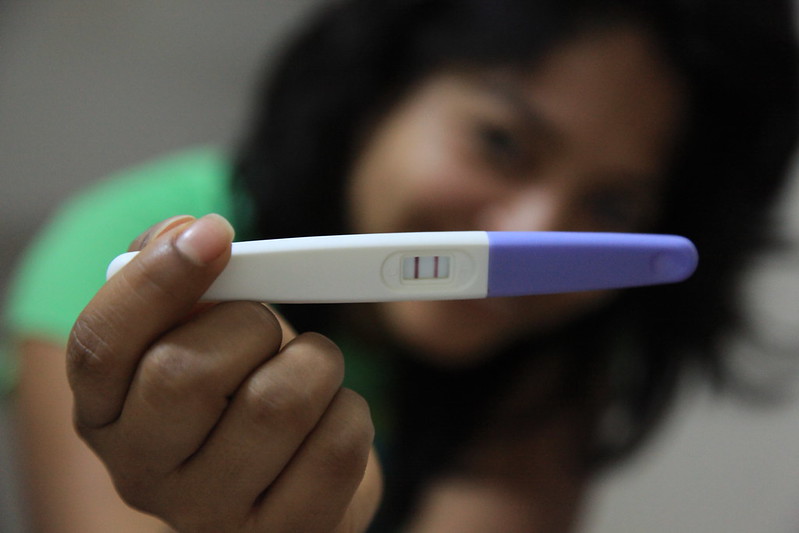 Experts widely recognize maternal mortality as a critical indicator of the quality of a nation’s health care system. The Sustainable Development Goals (SDGs) call for a global maternal mortality ratio (MMR) of less than 70 maternal deaths per 100,000 live births by 2030. Indonesia, however, continues to face serious challenges in meeting these targets.
Regional Disparities Highlight Inequities in Care
According to World Bank data, 140 women die per 100,000 live births due to pregnancy-related causes in Indonesia — higher than the regional average. While maternal deaths have steadily declined, Indonesia remains among the highest in Southeast Asia, with significant disparities within the country. Hypertensive disorders and non-communicable diseases account for a growing share of maternal deaths, complicating efforts to reduce mortality.
The national MMR masks stark regional differences. Provinces in Java and Bali report lower maternal mortality rates, whereas Sulawesi and Eastern Indonesia experience rates more than twice the national average. These disparities reflect unequal access to health care and differences in the availability of skilled professionals.
Drivers of Maternal Mortality
The main medical causes of maternal death include hemorrhage, hypertensive disorders and sepsis. However, structural and social factors play an equally critical role. Studies indicate that rural and remote settings correlate with higher complication rates and insufficient referrals. The availability of obstetricians and midwives explains nearly half of the variance in maternal mortality outcomes across the country. Patients from wealthier backgrounds often migrate across provinces to seek better care, highlighting the quality gaps in rural facilities.
Distance and lack of infrastructure further endanger women’s lives. As Noorkarmila, a midwife from West Java, observes, “The long distance it takes them to get to the hospital and limited facilities… it saddens me to see [a pregnant woman’s journey] to the moment she dies, especially when there are things we can do to prevent it.”
Socioeconomic inequalities, entrenched gender norms and gender-based violence (GBV) exacerbate these risks. Nationwide surveys indicate that roughly one in three Indonesian women aged 15 to 64 has experienced physical or sexual violence, which carries both immediate and long-term health consequences such as trauma, unwanted pregnancies and chronic illness. Underreporting and weak enforcement of laws further compound the problem.
Local Initiatives Bridging the Gap
Despite these challenges, local nongovernmental organizations (NGOs) and programs are making meaningful progress. The Indonesian Global Health Foundation provides telemedicine devices to connect rural residents with doctors, midwives and nurses, facilitating more than 350 online consultations across at least 20 villages.
Project HOPE focuses on strengthening the skills of midwives, who provide the first neonatal care for half of all infants in Indonesia. Through training and ongoing supervision, midwives gain confidence in managing common obstetric and newborn emergencies, improving outcomes in sub-district health facilities and private midwife practices.
The Road Ahead
The challenge of maternal mortality in Indonesia underscores the urgent need for equitable access to health care, investment in skilled personnel, and interventions addressing social determinants of health. Achieving the SDG targets by 2030 will require sustained efforts, particularly in underserved regions, alongside comprehensive strategies to combat poverty, gender inequality and violence against women. With targeted initiatives and local innovations, Indonesia can continue its progress toward ensuring safe motherhood for all.
– Kai Xian Lim
Kai is based in Odense, Denmark and focuses on Global Health for The Borgen Project.
Photo: Flickr
