Diseases Impacting Ethiopia
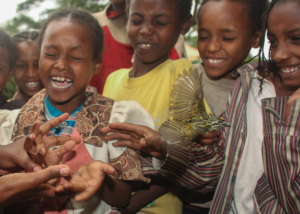 Ethiopia is a country in the Horn of Africa. Ethiopia is home to 126 million people. It is the second most populous country in Africa, behind Nigeria. Ethiopia is known for being the cradle of humanity. However, many different diseases are impacting Ethiopia, which have made the lives of its citizens difficult.
Neglected Tropical Diseases
Millions of Ethiopians are at risk of neglected tropical diseases (NTDs). NTDs are a group of diseases primarily caused by pathogens (such as bacteria, viruses and parasites). Ethiopia has Africa’s third-largest number of NTDs, behind Nigeria and the Democratic Republic of the Congo.
Similarly, Ethiopia has the highest number of cases of diseases such as trachoma, podoconiosis and cutaneous leishmaniasis in all of sub-Saharan Africa. It has the second highest number of cases involving ascariasis, leprosy and visceral leishmaniasis. And it has the third highest number of cases involving hookworms.
Infectious Diseases
Infectious diseases are also prevalent across Ethiopia. The most common contagious diseases in Ethiopia are HIV/AIDS, tuberculosis and malaria. The prevalence of HIV/AIDS in Ethiopia stands at around 1.5%. While this is lower than Africa’s average, it’s still higher than the global average (0.7%).
The prevalence of malaria in the country is about 0.39% to 1.1%. Research showed that population density was a standard variable in the spread of all three infectious diseases. Low urbanity and low population density correlate with a lower risk for contagious diseases.
Government Efforts
Ethiopia is still a developing country. About 68.7% of Ethiopians suffer from multidimensional poverty and a further 18% are at risk of doing so. Impoverished people are the most vulnerable to NTDs. Those living in extreme poverty lack access to proper health care and basic health services. They also live in areas where vectors of infectious diseases thrive.
However, the Ethiopian government has taken active steps to combat both NTDs and other infectious diseases. In 1999, the country developed a national plan to address onchocerciasis. The Ministry of Health established the National Onchocerciasis Task Force the following year. This task force focused on mobilizing and educating affected communities and distributing Mectizan tablets to help control the disease.
The Ethiopian Ministry of Health also established the National Dracunculiasis Eradication Program in 1993. In collaboration with The Carter Center, Ethiopia launched a national program to combat lymphatic filariasis. Additionally, the country has implemented several programs and strategies targeting other neglected tropical diseases, including podoconiosis, soil-transmitted helminths, schistosomiasis, leishmaniasis and leprosy.
Conclusion
Ethiopia continues to struggle with the burden of infectious and noninfectious tropical diseases, which disproportionately affect its underserved communities. While the challenges are significant, the country’s proactive health initiatives and partnerships offer hope. Sustained investment in public health, education and poverty reduction is essential to combat the diseases impacting Ethiopia and improve health outcomes for millions.
– Samriddha Aryal
Samriddha is based in Centreville, VA, USA and focuses on Global Health for The Borgen Project.
Photo: Wikimedia Commons
