The Importance of Funding for Disease Control in Nigeria
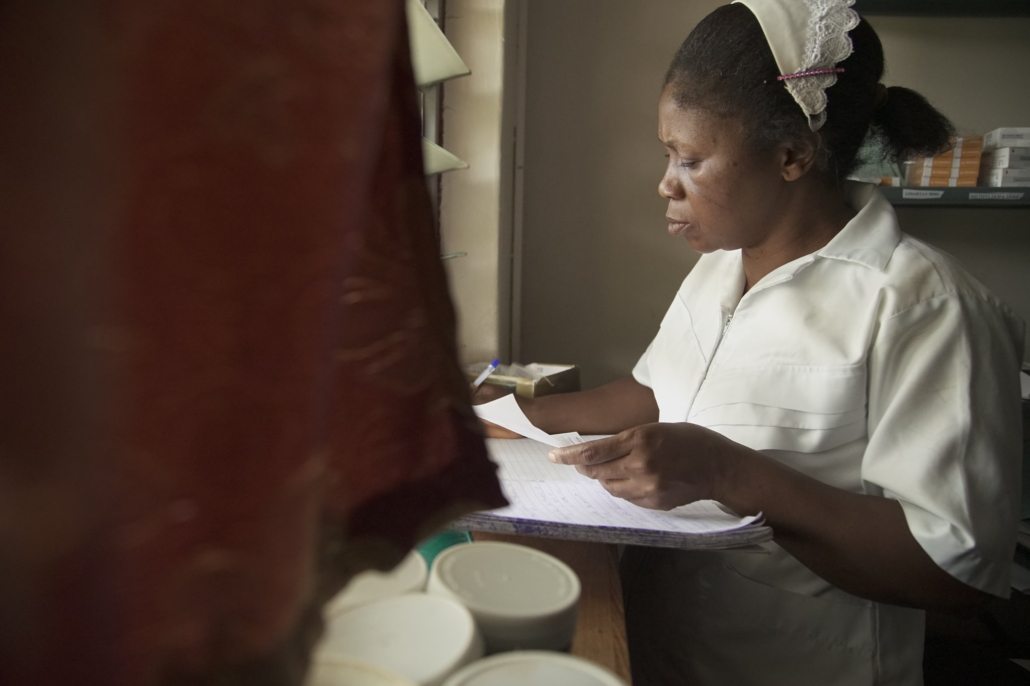
Managing disease control in Nigeria is a challenging task, given the country’s population of over 200 million people. Outbreaks of infectious diseases and emerging infectious diseases pose significant threats to public health, and addressing these challenges requires robust disease control measures. However, several factors, including inadequate funding, weak health care infrastructure and a high disease burden further complicate managing disease control in Nigeria.
Inadequate Funding
Unfortunately, inadequate funding often hampers disease control in Nigeria and prevention efforts. In the 2022 budget, the Nigerian government allocated only 4.34% of the national budget to health, resulting in insufficient funding for disease control and prevention.
Although there has been an increase in the recent allocation of funds to the health sector, the 2023 proposed Nigerian budget falls short of meeting the African Union’s commitment to allocate at least 15% of the total budget to the health sector. Only 5.75% of the total budget went to the health sector, indicating a significant funding gap that may negatively impact the country’s health care system. This has resulted in insufficient funding for disease control in Nigeria and prevention initiatives, leading to a lack of essential drugs, medical equipment and personnel in health care facilities.
Inadequate funding could have dire consequences, including increased mortality rates, a burden on health care systems and the spread of infectious diseases such as malaria, tuberculosis, HIV/AIDS and emerging infectious diseases such as COVID-19. Nigeria has one of the highest malaria cases globally, accounting for 31.9% of malaria mortality cases worldwide. Malaria is a prevalent disease in Nigeria and a leading cause of death, particularly among young children and pregnant women.
Initiatives and Programs
Other infectious diseases, such as tuberculosis and HIV/AIDS, continue to pose a significant public health challenge. The spread of these diseases is exacerbated by inadequate funding, leading to increased mortality rates and a burden on healthcare systems.
However, several initiatives and programs aimed at addressing the funding gap have been implemented. International aid programs such as the Global Fund to Fight AIDS, Tuberculosis and Malaria have provided significant funding for disease control and prevention initiatives in Nigeria.
Additionally, according to the Centers for Disease Control and Prevention (CDC), the Global Health Security Agenda (GHSA) aims to address the funding gap in health care systems, including Nigeria and meet the International Health Regulations requirements. CDC works closely with the Nigerian government and other stakeholders to achieve GHSA goals by “strengthening workforce development, surveillance, emergency response and laboratory capacity.”
CDC has implemented various initiatives and programs aimed at addressing the funding gap for disease control and prevention efforts in Nigeria. These programs include international aid programs, private sector investment and the role of the government in providing adequate funding. The CDC Nigeria has provided technical assistance, training and support to strengthen Nigeria’s public health system and preparedness for infectious disease threats.
However, continued efforts to secure funding for disease control in Nigeria and prevention initiatives are crucial for reducing the spread of diseases, improving healthcare outcomes and safeguarding public health in Nigeria. This requires a collaborative effort between the government, international organizations, the private sector and other stakeholders to address the funding gap and ensure that health care services are accessible to all Nigerians.
– Nkechi First
Photo: Flickr
