Disability and Poverty in Russia
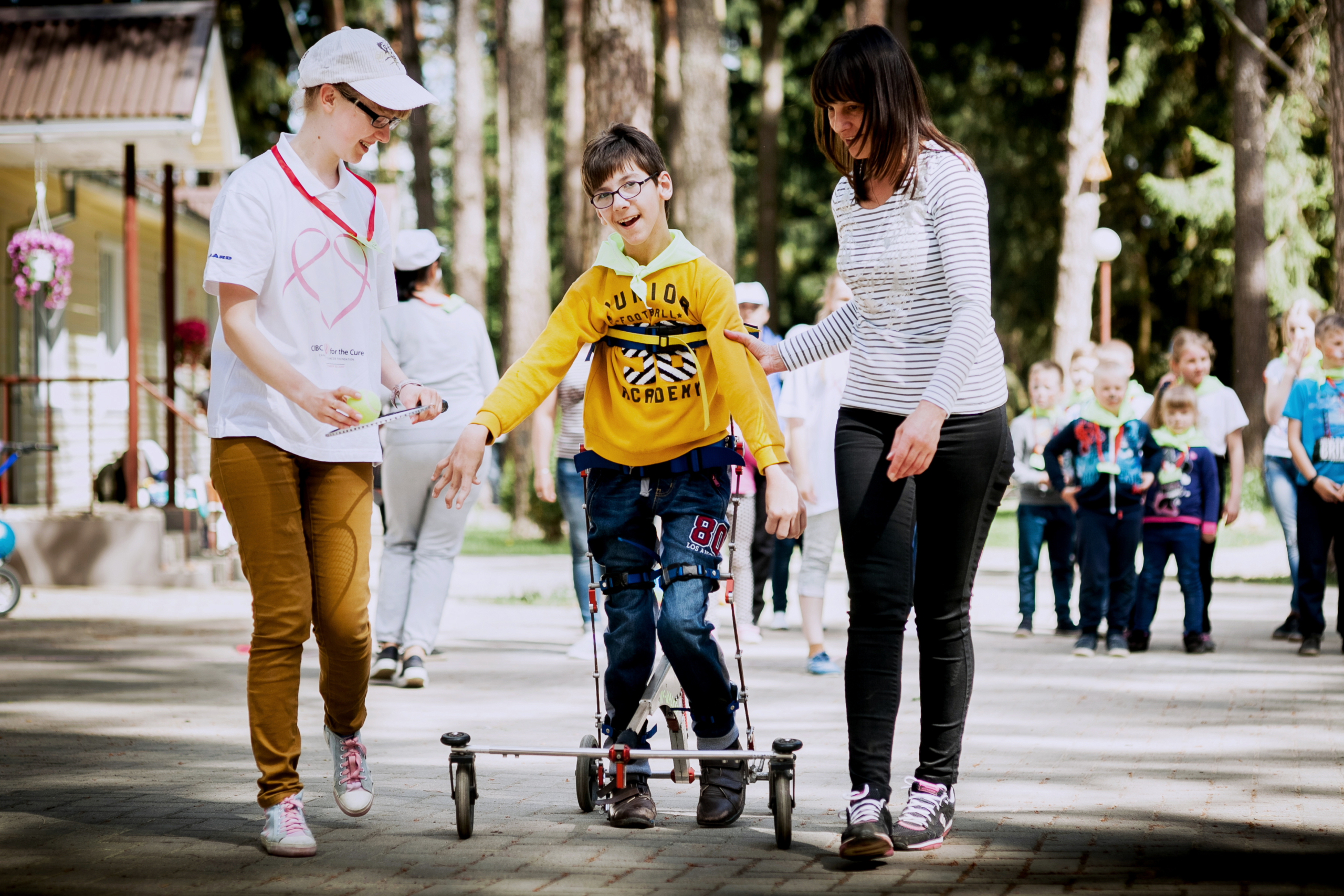 Russia’s poverty rate across all demographics sits at 12.1% as of 2020, per the World Bank. Further, 13 million Russians have disabilities, which is roughly 9% of the total population. In lower and middle-income countries, which includes Russia, disabled people are twice as likely to live in poverty than non-disabled people. As with many countries, disability and poverty in Russia are linked to each other; Russia’s history of discrimination against disabled people relegates many of them to live in poverty and this marginalized demographic faces discrimination in modern-day Russia.
History
Historically, the Russian government has treated its disabled citizens with disregard for their well-being. The current Russian Federation’s former governing state, the Soviet Union, outright denied their existence in the country, infamously declining to participate in the first iteration of the Paralympic Games in 1980, claiming that no disabled people existed in the country.
Before this, the Soviet government assigned disabled World War II veterans to low-paying jobs upon their return from war, thus relegated to poverty. These new jobs assigned to the now-disabled Russian veterans often disregarded their previous careers and skill sets. They reduced them to being defined by their disability.
This practice of job reassignment created an association between poverty and disability in Russia and disabled citizens were given little opportunity to better their conditions beyond their low-wage occupations.
Modern Problems
In addition to the higher rates of poverty among disabled Russians, discrimination against people with disabilities is still pervasive in the country. In 1995, the Russian Federation passed a law outlining a federal definition of disability, a step forward from the Soviet Union’s denial of disabled Russians.
Despite the federal acknowledgment of disabled citizens, the country still lacks adequate resources for them. Disabled people in Russia, particularly children with disabilities, are mistreated. For example, according to Human Rights Watch (HRW), Russian orphanages have been caught transferring their disabled residents to state-run institutions without their consent once they have turned 18 when they instead should be transitioned into living independently.
This comes in tandem with allegations of abuse inside Russian orphanages, where an estimated 30% of disabled Russian children live. These orphanages hold children for extended periods despite being intended only for temporary stays. Former residents have accused these children’s homes of tying patients to beds, sedating them and temporarily transferring them to mental institutions against their will as punishment.
Solutions
The violence and adversity faced by disabled people are still pervasive. However, some organizations are working to alleviate the issues that come from disability and poverty in Russia. To combat the adversity faced by disabled Russians, some citizens have started their own charities and nonprofits to improve the quality of life for people with disabilities and give support to their families.
For example, Perspektiva is a Russian nonprofit that works to improve the quality of life for people with disabilities, including helping them find employment to diminish the number of people living with both disability and poverty in Russia. Perspektiva has helped Russians with disabilities complete internships with international companies, such as Ernst and Young, L’Oreal and SAP and it lists hundreds of jobs on its employment portal for disabled job applicants.
Final Remark
The social acknowledgment of disabled Russians and the work of charities like Perspektiva have helped improve the status of disabled Russians living in poverty. However, this vulnerable demographic still needs assistance and advocacy to improve further.
– Elizabeth Nelms
Photo: Wikimedia Commons
