Disability and Poverty in Nicaragua
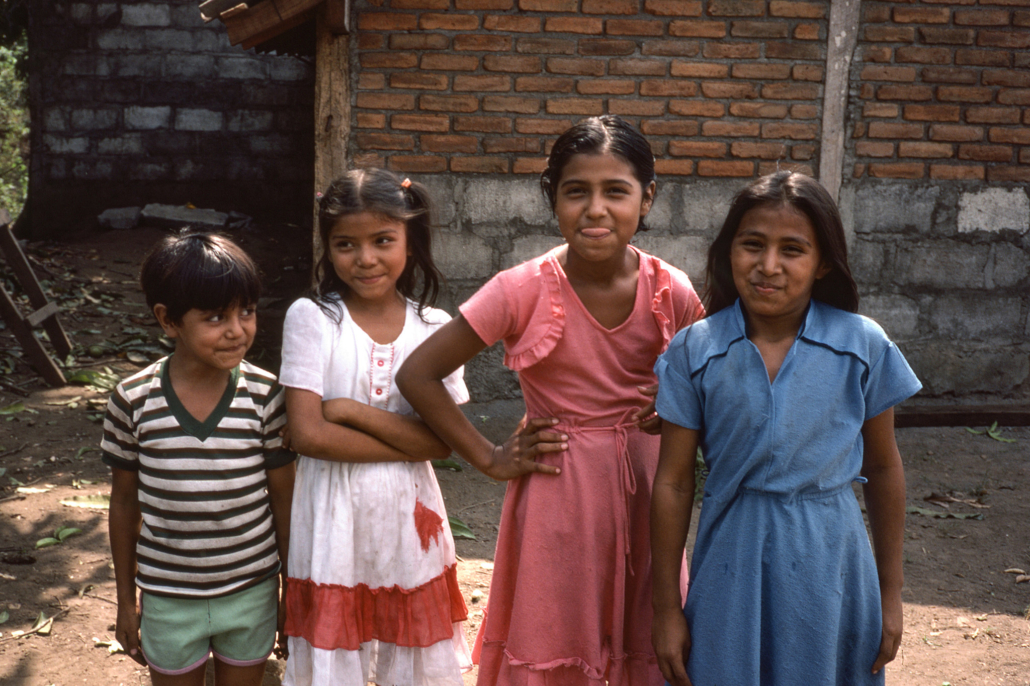 Nicaragua is home to almost 7 million people and is known for its bewitching terrain of grand lakes and vibrant volcanoes. The Central American country is rich in agriculture and colonial architecture. However, disability and poverty in Nicaragua is a concern to many. The efforts to take action on these issues are very low, with political officials choosing to ignore them. People with disabilities often live in extreme poverty due to the lack of measures taken to protect them.
Roughly 10-15% of the population in Nicaragua is disabled, which is around 700,000 to 1 million people. People experience numerous types of disabilities, ranging from physical, mental and intellectual. The most common being limb amputees and individuals with paralysis. The causes can vary from conditions present at birth, chronic diseases such as noncommunicable diseases, or exposure to occupational hazards. A large contributor is deficiencies in pre- and post-natal care and not having proper access to medical resources during pregnancy.
The Parallels Between Disability and Poverty in Nicaragua
About 12.5% of the population lived in poverty as of 2023. While it is unknown how many people with disabilities are living in extreme poverty, disability and poverty are exceedingly relevant to each other. Disabled citizens in Nicaragua often do not have access to employment opportunities, increasing their chances of living in poverty.
They often face nationwide discrimination and ridicule. The social stigma in Nicaragua perceives these people as “less than human.” People with disabilities in Nicaragua often do not have access to public health facilities and other institutions. In Nicaragua, in the absence of modern medical advances, those with disabilities struggle for services beyond basic care. Only 10%, who are classified as having severe disabilities, receive regular health care and are able to do home improvements.
Individuals with disabilities encounter inhumane treatment in their homes and in public. They experience neglect domestically and often cannot meet their basic needs, such as adequate shelter and food. Being isolated from their families because they are perceived as inferior can hinder their emotional development, causing serious effects on their mental health. Both their families and the government often abandon them, failing to protect their rights.
Political State of Nicaragua
In recent events, Nicaragua has amended its constitution to grant expansive powers to the president, Daniel Ortega. This comprises influence over media, extending the presidential term to six years, the vice president, Rosario Murillo, becoming a co-president, and permission to pick any number of vice presidents. These tyrannical sets of laws will block any Nicaraguan process. This also could be critical for the protection of persons with disabilities, which previously under laws were deficient.
Under the Nicaraguan law “Law on the Rights of Persons with Disabilities,” 2% of public officials should be people with disabilities, yet legislation does nothing to enforce this or meet the quota by any means. The law that aims to protect people with disabilities is not respected. The United Nations has stated its concerns about the measures “acted upon” under the law. On Apr.23, 2024, the UN, in the Convention on the Rights of Persons with Disabilities, expressed observations on the treatment of the disabled in Nicaragua. Some of the topics discussed were what legislation has done to recognize their discrimination, if there is a system in place for receiving grievances and action taken in this connection and the poverty among children with disabilities. With these repercussions from the government, the safety of these citizens will be endangered.
Efforts From the Community
There are rare services offering aid to disabled people in Nicaragua. In Juigalpa, Nicaragua, there is a small organization that helps protect disabled people. External funding and local efforts to create a safe haven for people supports Fundacion Cristiana Comunitaria para Personas con Discapacidad Ruach, translated Ruach Christian Community Foundation for People With Disabilities. It provides care and attention. Individuals participate in activities that boost social skills, self-esteem and overall happiness. It protects them from abuse and neglect that comes within their households.
Ruach has stated that its main goal is to change society’s perspective and remind others that these people, individually, have something positive to offer to the world—that they have skills and attributes that are capable of creation. The project currently works with seven adults but hopes to expand to support 24 disabled people across the nation. Today, it has raised enough money to give people with disabilities a home to be themselves. Its dedication shows that disability and poverty in Nicaragua are not hopeless.
Conclusion
Individuals with disabilities in Nicaragua face economic hardships, jarring discrimination and difficulty accessing health facilities. These pressing concerns showcase an intersection of poverty and political neglect. As the government continues to ignore the marginalized group, the social stigma of persons with disabilities worsens. This makes it essential for change in Nicaragua. Society, organizations and individuals should address discrimination, advocate for modern medicine and reinforce the laws that are intended to protect their rights. Ultimately, fostering an inclusive environment can benefit in recognizing the contributions and skills disabled citizens possess.
– Kassandra Ticas
Kassandra is based in Gardner, MA, USA and focuses on Global Health for The Borgen Project.
Photo: Flickr
