Digital Midwifery in Bolivia: Rural Mothers and Mobile Tech
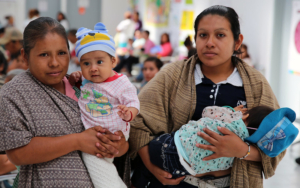
In the remote highlands of Bolivia’s Andes, where health care facilities are scarce and distances vast, accessing postpartum care has long been a challenge for new mothers. However, since 2023, a transformative initiative has been underway: midwives equipped with mobile devices and WhatsApp provide virtual postnatal check-ins. They offer guidance on breastfeeding, wound care and infant development, all from the comfort of home.
Bridging the Gap With Technology
Bolivia’s mountainous terrain often makes traditional health care services inaccessible to rural populations. For mothers in these regions, reaching the nearest clinic can mean walking across rugged landscapes for hours or even days. Recognizing this challenge, the Bolivian government, in collaboration with organizations like the Pan American Health Organization (PAHO) and Plan International, has been integrating traditional midwives into the formal health care system.
This integration involves training midwives and equipping them with tools to enhance maternal and neonatal care in indigenous communities. For many, this training includes learning how to use mobile technology as a bridge to connect isolated mothers with professional advice. By introducing WhatsApp consultations, midwives can now conduct remote check-ins, answer urgent questions and provide ongoing support to families who would otherwise remain cut off from timely medical care.
A New Era of Maternal Care
The use of mobile technology has revolutionized postpartum care in these communities. Midwives, who are often deeply rooted in the culture and languages of the Indigenous populations they serve, are uniquely positioned to build trust and reduce barriers to care. WhatsApp has become a lifeline for mothers, allowing them to communicate efficiently through voice notes, video calls and photos.
Through these platforms, midwives provide personalized advice on topics such as breastfeeding techniques, recognizing the early signs of postpartum depression, monitoring wound healing after childbirth and ensuring proper infant nutrition. These conversations go beyond clinical checklists—they validate traditional practices while introducing evidence-based recommendations, striking a balance that resonates with local families.
Importantly, this method of care strengthens emotional bonds. Mothers report feeling less isolated and more confident, knowing someone is “just a call away” to answer questions or provide reassurance. This culturally sensitive approach, rooted in both tradition and innovation, ensures that health advice is not only accessible but also trusted.
Impact and Future Prospects
The early results of this initiative are promising. Communities that once faced high rates of postpartum complications are seeing improvements in maternal and infant health. Mothers express greater confidence in caring for themselves and their babies. They report that quick access to midwife guidance helps them resolve health concerns before they become emergencies.
Beyond individual families, the ripple effect is significant. Fathers and extended family members are also included in digital consultations, learning how to support new mothers more effectively. Midwives are gaining professional recognition and increased status within the health care system, bridging the divide between traditional knowledge and modern medicine.
This initiative also reduces the financial burden on families. Without the need to travel long distances, mothers save time and money, resources that can instead be directed toward food, childcare or household needs.
Challenges and Future Prospects
Despite its successes, digital midwifery in Bolivia still faces challenges. Connectivity remains unreliable in some areas; not every household can access smartphones or stable electricity. Training programs will need to be ongoing to ensure midwives are confident using digital platforms and adapting to updates in technology.
Nevertheless, the growth potential is substantial. Policymakers and health organizations are considering ways to expand this model to other rural regions of Bolivia and even across neighboring countries in Latin America. By continuing to blend traditional midwifery practices with digital health tools, Bolivia is setting a precedent for culturally sensitive, accessible and scalable maternal health care.
If successful, digital midwifery could serve as a blueprint for addressing maternal health gaps in other parts of the world with similar geographic and cultural barriers to Bolivia. The initiative highlights how low-cost, user-friendly technology, when placed in the hands of trusted community leaders, can reshape health care systems and save lives.
– Marina Martin
Marina is based in Rapid City, SD, USA and focuses on Global Health for The Borgen Project.
Photo: Flickr
